
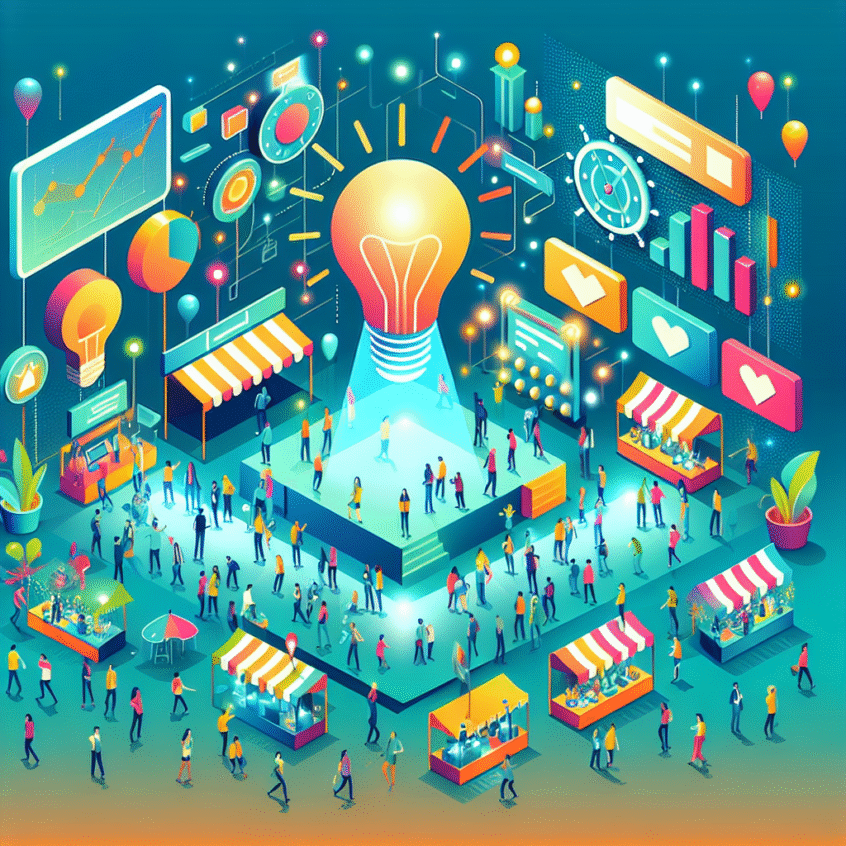
Event Marketing Design: Tips for Creating a Memorable Experience
In the bustling world of events, where every detail counts, creating a memorable experience is crucial. Whether you are planning a corporate event, a music festival, or a community gathering, the design of your event can make or break its success. In this blog post, we’ll delve into the essential components of event marketing design, offering expert tips to ensure your event leaves a lasting impression.
Understanding the Basics of Event Marketing Design
Before diving into the specifics, it’s important to understand what event marketing design entails. At its core, event marketing design is about crafting an atmosphere that not only aligns with your brand but also resonates with your audience. This involves everything from the visual aesthetics to the layout of the venue, and even the digital presence of the event.

Define Your Event’s Purpose and Audience
The first step in creating a memorable event is to clearly define its purpose and identify your target audience. What is the main goal of your event? Are you launching a new product, celebrating a milestone, or raising awareness for a cause? Once you have a clear objective, tailor your design to meet the expectations and interests of your audience. This targeted approach will guide your marketing efforts and help you create a cohesive event experience.
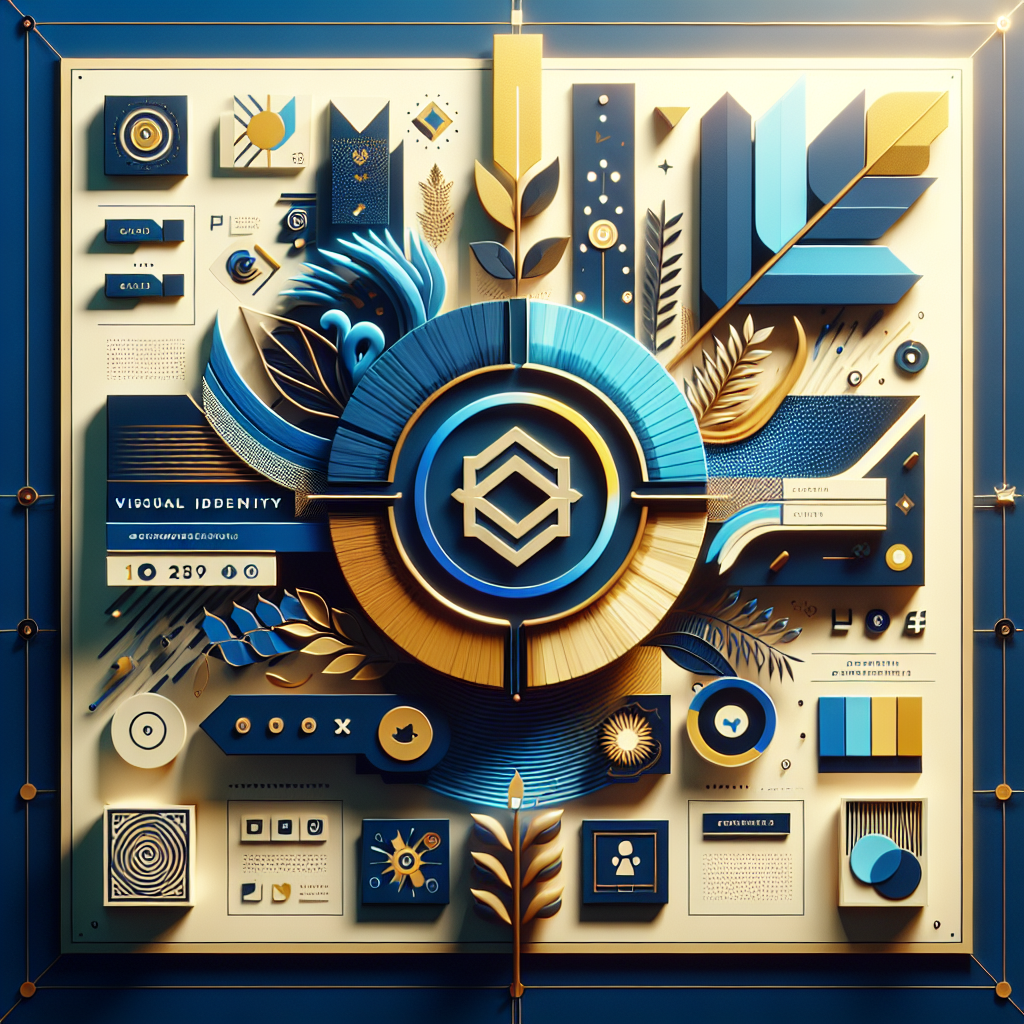
Create a Strong Visual Identity
Your event’s visual identity is a crucial aspect of its design. This includes the logo, color scheme, typography, and any other visual elements that will be used in marketing materials. Consistency is key; these elements should be reflected across all platforms, from social media posts to physical signage at the event. A strong visual identity not only makes your event recognizable but also reinforces your brand message.
Leverage the Power of Storytelling
Storytelling is a powerful tool in event marketing design. Craft a narrative that connects with your audience on an emotional level. This could be the story of your brand, the journey leading up to the event, or the impact you aim to achieve. By weaving storytelling into your design, you create a more engaging and immersive experience for attendees.
Optimize Venue Layout and Design
The layout and design of your venue play a critical role in shaping the attendee experience. Consider the flow of the space—how will guests move from one area to another? Ensure that the design facilitates easy navigation and accessibility. Additionally, incorporate elements that encourage interaction, such as photo booths, interactive displays, or comfortable seating areas. A well-thought-out layout can enhance the overall experience and make your event more enjoyable.
Incorporate Technology for Enhanced Engagement
In today’s digital age, technology is an essential component of event marketing design. Utilize digital tools to enhance engagement and streamline operations. This could include event apps that provide real-time updates, virtual reality experiences for added excitement, or social media integrations that encourage attendees to share their experiences online. Technology not only adds a modern touch to your event but also helps in reaching a wider audience.
Focus on Sensory Experiences
To create a truly memorable event, engage the senses. Think about how you can incorporate elements that appeal to sight, sound, smell, taste, and touch. This could be through ambient lighting, a carefully curated playlist, aromatic floral arrangements, gourmet food stations, or tactile installations. By engaging multiple senses, you create a richer and more memorable experience for your attendees.
Measure Success and Gather Feedback
After the event, it’s important to measure its success and gather feedback. Use metrics like attendance numbers, social media engagement, and post-event surveys to gauge the impact of your design strategies. Feedback from attendees can provide valuable insights into what worked well and what could be improved for future events. This continuous learning process will help you refine your approach and create even more memorable experiences.
Conclusion
Designing a memorable event is no small feat, but with a clear purpose, a strong visual identity, and a focus on creating engaging, sensory-rich experiences, you can leave a lasting impression on your attendees. Remember, the key to successful event marketing design is to always keep your audience in mind and strive to create an experience that resonates with them long after the event has ended. By following these tips, you’ll be well on your way to crafting unforgettable events that stand out in the crowded event landscape.
No More BS – Get a FREE Consultation
No more BS. Let’s talk real world $#!+ about what you need. You’ll meet with our top dog, and you’ll leave with a better understanding of what you need to do, and how RyCOM might help.