
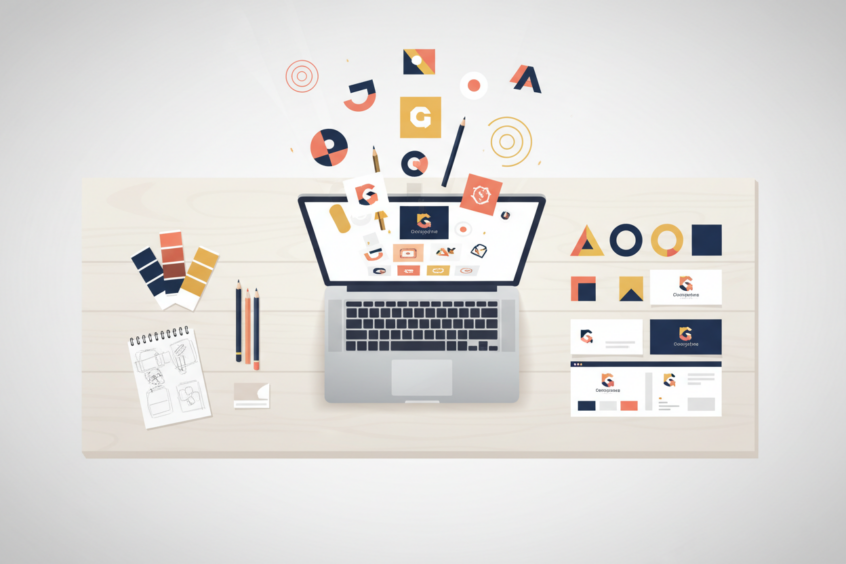
Custom Logo Design: How to Make Your Brand Stand Out in a Crowded Marketplace
In today’s saturated digital landscape, your logo isn’t just a pretty picture – it’s your brand’s first impression, silent spokesperson, and visual handshake all rolled into one. Think about it: when you see those golden arches or that swooshing checkmark, you instantly know what brand you’re looking at. That’s the power of exceptional custom logo design, and it’s something every business, regardless of size, should aspire to achieve.
Your logo serves as the cornerstone of your brand identity, appearing on everything from business cards and websites to billboards and product packaging. It’s often the first element potential customers encounter, making those crucial first few seconds absolutely vital for your business success. A well-crafted custom logo doesn’t just look good – it tells your story, communicates your values, and creates an emotional connection with your audience that can last for years.
Understanding the Psychology Behind Memorable Logo Design
Great logos work because they tap into fundamental psychological principles that influence how we perceive and remember brands. Color psychology plays a massive role here – red evokes excitement and urgency, blue suggests trust and reliability, while green often represents growth and sustainability. But it’s not just about picking pretty colors; it’s about understanding what emotions you want to trigger in your target audience.
Shape psychology is equally important in custom logo design. Circles suggest unity and completeness, squares convey stability and reliability, while triangles can represent energy and innovation. The most successful logos combine these elements strategically, creating visual harmony that resonates with viewers on a subconscious level.
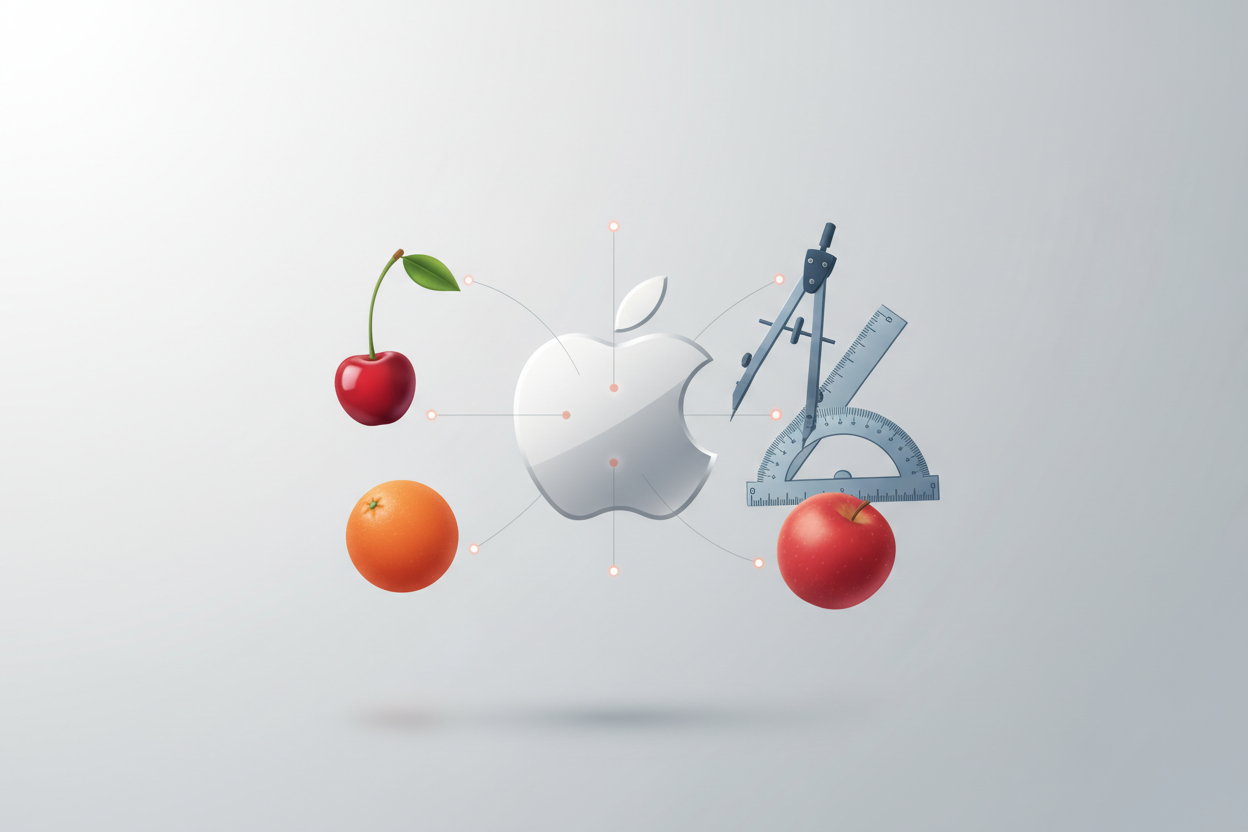
Consider how Apple’s bitten apple logo works so brilliantly – it’s simple, memorable, and slightly imperfect in a way that feels human and approachable. The bite mark prevents it from looking like a cherry or any other round fruit, while the clean lines suggest the technological precision the brand is known for. This isn’t accidental; it’s the result of thoughtful design decisions that consider both aesthetic appeal and psychological impact.
Essential Elements of Standout Custom Logo Design
Creating a logo that truly stands out requires careful attention to several key elements. Simplicity reigns supreme in effective logo design – the most recognizable logos in the world are often the simplest ones. Your logo should be easily recognizable whether it’s printed on a business card or displayed on a massive billboard.
Versatility is another crucial factor that many businesses overlook during the design process. Your custom logo needs to work across various applications and mediums. It should look just as impressive in black and white as it does in full color, and it must remain legible when scaled down to favicon size or blown up for large-format printing.
Timelessness should guide your design choices as well. While it’s tempting to follow current design trends, remember that your logo should serve your brand for years, possibly decades. Trends come and go, but classic design principles endure. Think about logos like Coca-Cola or IBM – they’ve remained largely unchanged for decades because they were built on solid design foundations rather than fleeting trends.
Relevance to your industry and target audience cannot be overstated. A playful, colorful logo might work perfectly for a children’s toy company but would be completely inappropriate for a law firm or financial institution. Your logo should speak directly to your ideal customers while accurately representing what your business does and stands for.
The Custom Logo Design Process: From Concept to Creation
Developing an effective custom logo begins long before any designer touches pen to paper or stylus to tablet. The discovery phase involves deep research into your brand, competitors, target audience, and industry landscape. This isn’t just busywork – it’s the foundation that will inform every design decision moving forward.
During the concept development stage, designers typically create multiple rough sketches exploring different directions. This is where creativity flourishes and various ideas are tested. Don’t be surprised if initial concepts look nothing like your final logo – this exploration phase is essential for uncovering unexpected solutions that might work better than your original vision.
The refinement process involves taking the strongest concepts and polishing them into presentation-ready designs. This is where attention to detail becomes paramount. Designers will adjust spacing, fine-tune colors, and ensure the logo works at various sizes. They’ll also create different versions of the logo for different applications – perhaps a horizontal version for letterheads and a stacked version for social media profiles.
Testing and feedback rounds are crucial for ensuring your logo resonates with your target audience. This might involve showing the logo to focus groups, testing it in various contexts, or simply gathering input from trusted advisors. Remember, you’re not designing for yourself – you’re designing for your customers, and their opinions matter more than your personal preferences.
Common Logo Design Mistakes That Hurt Your Brand
One of the biggest mistakes businesses make is trying to cram too much information into their logo. Your logo isn’t your business card – it doesn’t need to include your company name, tagline, phone number, and a detailed illustration of what you do. Overcomplicated logos are harder to remember, difficult to reproduce, and often look cluttered and unprofessional.
Following trends blindly is another common pitfall in custom logo design. While it’s important to ensure your logo feels contemporary, chasing every design trend will leave you with a logo that looks dated within a few years. Instead, focus on timeless design principles and incorporate subtle contemporary elements that can be updated over time without requiring a complete rebrand.
Ignoring scalability issues can create serious problems down the road. Many businesses discover too late that their intricate logo becomes an illegible mess when reduced to small sizes. Always test your logo at various scales during the design process, from large format prints down to tiny social media avatars.
Using inappropriate colors or fonts can undermine your brand’s credibility. A funeral home using bright pink and comic sans font would send completely wrong signals to potential customers. Similarly, a children’s daycare using dark, intimidating colors would fail to attract parents looking for a warm, welcoming environment for their kids.
Making Your Logo Work Across Different Platforms and Media
Today’s brands need logos that work seamlessly across an incredibly diverse range of applications. Your custom logo design must look perfect on your website header, social media profiles, mobile app icons, business cards, vehicle wraps, and countless other touchpoints where customers might encounter your brand.
Digital applications present unique challenges that didn’t exist in the pre-internet era. Your logo needs to load quickly on websites, remain crisp on high-resolution displays, and work effectively as a social media profile picture where it might be displayed at just 200×200 pixels. This is why many modern logos favor simpler designs that maintain their impact even at small sizes.
Print applications still matter enormously, despite our increasingly digital world. Your logo should look professional on letterheads, business cards, brochures, and signage. This means considering how it will look in single-color applications, ensuring it works in both positive and negative space, and making sure fine details don’t disappear when printed at small sizes.
Responsive logo design has become increasingly important as brands need their logos to work on everything from massive desktop monitors to tiny smartwatch screens. Some companies now create multiple versions of their logo optimized for different contexts – a detailed version for large applications and a simplified version for small digital uses.
Investing in Professional Custom Logo Design vs DIY Solutions
The temptation to create your own logo using online tools or free design software is understandable, especially for new businesses watching every penny. However, this decision often costs more in the long run than investing in professional custom logo design from the start.
Professional designers bring years of training and experience to your project. They understand design principles, color theory, typography, and how to create logos that work across various applications. More importantly, they can see potential problems that inexperienced designers might miss, saving you from costly rebranding efforts later.
The cost difference between DIY solutions and professional design is often smaller than people expect, especially when you consider the long-term value. A professional logo can serve your business for decades, making the per-year cost incredibly reasonable. When you factor in the potential revenue lost from having an unprofessional or ineffective logo, the investment in quality design pays for itself many times over.
That said, there are situations where DIY solutions might make sense – perhaps for a very early-stage startup that needs something temporary while building toward a professional rebrand, or for personal projects where budget constraints are absolute. Just remember that your logo is an investment in your brand’s future, and like most investments, you generally get what you pay for.
Protecting and Maintaining Your Custom Logo Design
Once you’ve invested in a custom logo design, protecting that investment becomes crucial. Trademark registration should be seriously considered, especially if you plan to build significant brand value around your logo. While trademark protection isn’t required to use your logo, it provides legal recourse if someone else tries to use a confusingly similar design.
Maintaining consistent usage of your logo across all applications is essential for building brand recognition. This means creating brand guidelines that specify exactly how your logo should and shouldn’t be used. These guidelines should cover minimum sizes, clear space requirements, acceptable color variations, and examples of incorrect usage.
Regular logo audits can help ensure your logo remains effective as your business evolves. While you shouldn’t change your logo frequently, there may come a time when subtle updates or refinements make sense. This might involve updating colors to feel more contemporary, simplifying elements that don’t reproduce well in digital applications, or creating new variations for emerging platforms.
Digital asset management becomes increasingly important as your business grows. Make sure you have high-resolution versions of your logo in various formats (PNG, JPG, SVG, EPS) and that these files are backed up and easily accessible to anyone who might need them for marketing materials, website updates, or other business purposes.
Conclusion
Creating a custom logo design that makes your brand stand out requires more than just artistic talent – it demands strategic thinking, psychological understanding, and careful attention to practical considerations. Your logo is often the first impression potential customers have of your business, making it one of your most important marketing investments.
The most successful logos combine aesthetic appeal with functional effectiveness, working seamlessly across all the platforms and applications where your customers might encounter your brand. They’re simple enough to be memorable, distinctive enough to be recognizable, and flexible enough to evolve with your business over time.
Whether you choose to work with a professional designer or tackle the project yourself, remember that great logo design is about much more than creating something that looks good. It’s about creating a visual symbol that embodies your brand’s values, speaks to your target audience, and helps your business stand out in an increasingly crowded marketplace. Take the time to get it right, and your logo will serve as a powerful brand asset for years to come.
No More BS – Get a FREE Consultation
No more BS. Let’s talk real world $#!+ about what you need. You’ll meet with our top dog, and you’ll leave with a better understanding of what you need to do, and how RyCOM might help.