
Logo Redesign: Signs It’s Time for a Change
Your logo is often the first impression customers have of your brand. It’s the visual handshake that introduces your business to the world, appearing on everything from business cards to billboards. But just like fashion trends or technology, logos can become outdated, ineffective, or simply misaligned with your evolving brand identity.
Recognizing when it’s time for a logo redesign isn’t always straightforward. Some business owners cling to their original design out of nostalgia or fear of change, while others jump to redesign too quickly without proper consideration. The truth is, there are specific indicators that signal when a logo refresh or complete overhaul is necessary for your brand’s continued success.
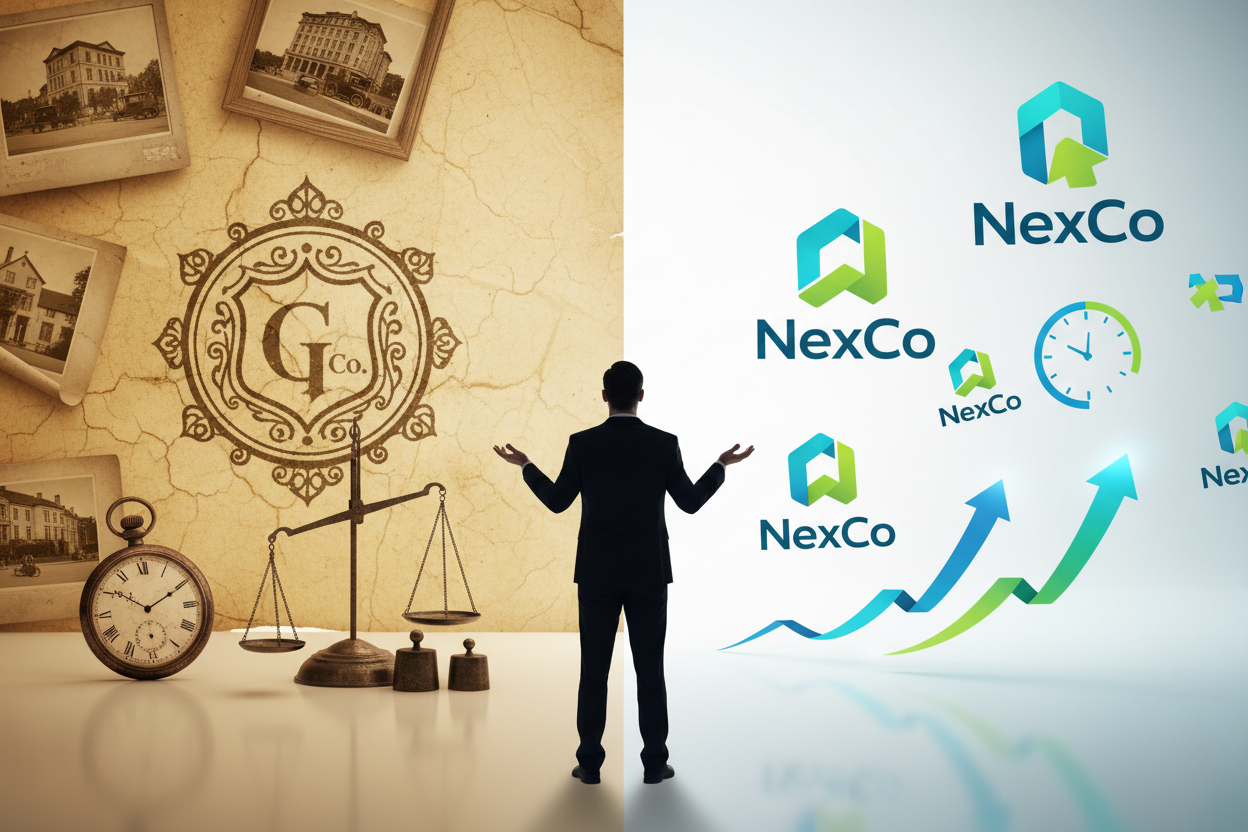
In this comprehensive guide, we’ll explore the telltale signs that your logo needs an update, helping you make an informed decision about one of your brand’s most critical visual elements.
Your Logo Looks Dated and Out of Touch
Design trends evolve constantly, and what looked cutting-edge five years ago might appear antiquated today. If your logo features heavy gradients, excessive drop shadows, or overly ornate fonts that were popular in the early 2000s, it’s probably time for a refresh.
Consider how major brands have simplified their logos over the years. Companies like Google, Microsoft, and Airbnb have all embraced cleaner, more minimalist designs that work better across digital platforms. This doesn’t mean you need to follow every trend blindly, but your logo should feel current and relevant to your target audience.
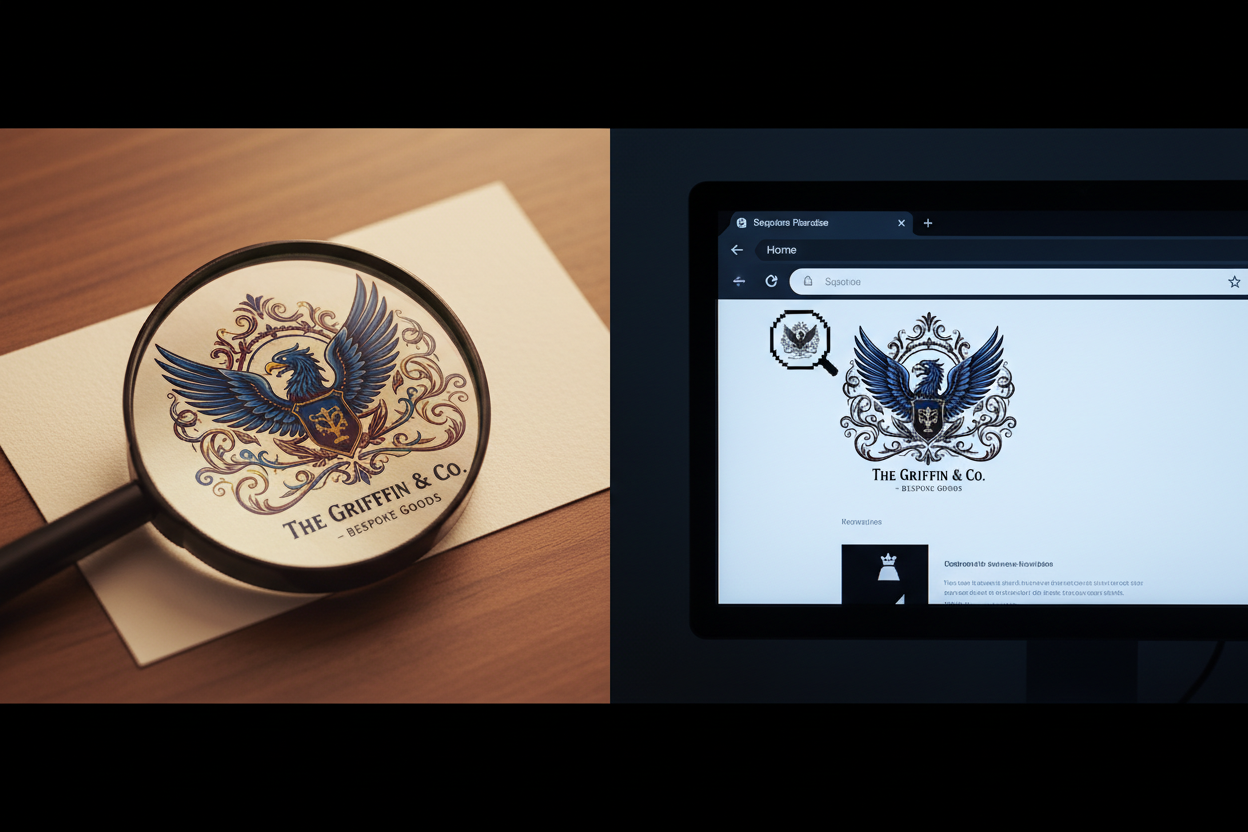
A dated logo can make your entire business appear behind the times, potentially causing customers to question whether your products or services are equally outdated. Modern consumers often associate contemporary design with innovation, reliability, and forward-thinking business practices.
Your Brand Has Evolved Beyond Your Current Logo
Business evolution is natural and often necessary for growth. Perhaps you started as a local bakery and have expanded into catering and event planning. Maybe your tech startup has pivoted from B2B software to consumer applications. When your business model, target audience, or core services change significantly, your logo should reflect this evolution.
Your logo should tell your current story, not your origin story. If there’s a disconnect between what your logo communicates and what your business actually does today, you’re missing opportunities to connect with potential customers who might not understand your offerings at first glance.
Take Netflix as an example. Their original logo featured a film reel design that made sense when they were primarily a DVD-by-mail service. As they transitioned to streaming and original content production, they simplified their wordmark to better reflect their digital-first approach.
Poor Performance Across Digital Platforms
In today’s digital-first world, your logo needs to perform flawlessly across countless platforms and devices. If your logo becomes illegible when scaled down for social media profile pictures, looks pixelated on high-resolution screens, or doesn’t work well in various color formats, it’s hindering your digital marketing efforts.
A logo that was designed primarily for print materials often struggles in digital environments. Complex details that look beautiful on a business card might disappear entirely when your logo appears as a tiny favicon in a browser tab. Similarly, logos with intricate color schemes might lose their impact when displayed in black and white or single colors.
Modern logo design prioritizes scalability and versatility. Your logo should be equally effective whether it’s displayed on a smartphone screen or a highway billboard, in full color or monochrome, on light backgrounds or dark ones.
Negative Customer Feedback or Market Research
Sometimes the most honest feedback comes directly from your customers. If you’re consistently receiving comments about your logo being confusing, outdated, or unprofessional, it’s worth taking these concerns seriously. Customer perception directly impacts purchasing decisions and brand loyalty.
Market research can also reveal valuable insights about how your logo is perceived compared to competitors. Focus groups, surveys, and brand perception studies might uncover issues you hadn’t considered. Perhaps your logo is too similar to a competitor’s, creating confusion in the marketplace, or maybe it doesn’t resonate with your target demographic’s values and preferences.
Professional market research can be expensive, but even informal feedback from trusted customers, employees, or industry peers can provide valuable insights into whether your logo is helping or hindering your brand’s success.
Your Logo Doesn’t Stand Out From Competitors
In crowded marketplaces, differentiation is crucial for success. If your logo looks remarkably similar to your competitors’ designs, you’re missing a critical opportunity to establish a unique brand identity. This similarity might be coincidental, especially in industries where certain symbols or color schemes are common, but the result is the same: reduced brand recognition and memorability.
Conducting a competitive analysis of logos in your industry can be eye-opening. Look at your direct competitors and analyze their visual branding choices. If you notice strong similarities in color, typography, symbols, or overall style, consider how you might differentiate your brand through a redesigned logo.
Remember, standing out doesn’t necessarily mean being dramatically different just for the sake of difference. Your logo should still feel appropriate for your industry while maintaining enough uniqueness to be memorable and recognizable.
Technical and Reproduction Issues
If your current logo was created years ago, you might be working with outdated file formats or low-resolution images that limit your marketing and branding options. Logos created in older software or saved in obsolete formats can be difficult to modify, reproduce, or scale effectively.
Professional logo design today requires vector-based files that can be scaled infinitely without quality loss, along with various format options for different applications. If you find yourself constantly struggling with pixelated images, color inconsistencies, or reproduction problems across different materials and platforms, these technical limitations are costing you professional credibility.
Additionally, if you don’t own the rights to your current logo or don’t have access to the original design files, you might face legal or practical challenges when trying to use your own brand identity. This situation definitely warrants a complete logo redesign to ensure you have full control over your brand assets.
Major Business Milestones or Rebranding Efforts
Significant business milestones often provide natural opportunities for logo updates. Whether you’re celebrating an anniversary, launching a major new product line, entering new markets, or undergoing a complete rebrand, these moments can justify and contextualize a logo change to your audience.
Mergers and acquisitions frequently necessitate logo redesigns to reflect new corporate structures or combined brand identities. Similarly, if your company is going public, expanding internationally, or making other major strategic moves, a refreshed logo can signal growth and evolution to stakeholders.
These milestone moments also provide built-in marketing opportunities to announce and explain your new visual identity, making the transition smoother for existing customers while attracting attention from potential new ones.
Budget and Resource Considerations
While recognizing the need for a logo redesign is important, timing the actual project requires careful consideration of your available resources. Logo redesigns involve more than just creating a new image; they require updating all branded materials, from business cards and websites to signage and packaging.
The scope of your redesign project will depend on how extensively your current logo is used across your business operations. A complete rebrand might require updating dozens or even hundreds of branded items, which can represent a significant investment in both time and money.
However, postponing a necessary logo update can also cost your business in terms of lost opportunities, reduced credibility, and decreased market competitiveness. Consider the long-term return on investment when evaluating whether the time is right for a redesign project.
Making the Decision: When to Act
Deciding to redesign your logo shouldn’t be taken lightly, but neither should you ignore clear signs that change is needed. The best approach is to evaluate your current logo against multiple criteria: visual appeal, brand alignment, technical functionality, market differentiation, and customer feedback.
If your logo fails in several of these areas, the case for redesign becomes stronger. However, even one critical failure point might justify an update if it’s significantly impacting your business success.
Consider starting with a brand audit that examines all aspects of your visual identity, not just your logo. This comprehensive approach can help you understand whether you need a minor refresh or a complete overhaul, and it can inform a more strategic approach to the redesign process.
Remember that successful logo redesigns often happen gradually, with companies introducing updated versions alongside their existing logos before making complete transitions. This approach can help maintain brand recognition while introducing improvements over time.
Conclusion
Your logo is a powerful business asset that should evolve with your company’s growth and changing market conditions. Recognizing when it’s time for a change requires honest evaluation of your current design’s effectiveness across multiple dimensions: visual appeal, technical functionality, brand alignment, and market performance.
The signs we’ve discussed – from dated aesthetics and poor digital performance to negative feedback and competitive disadvantages – serve as guideposts for making this important decision. While logo redesigns require investment and careful planning, they can also provide significant returns in terms of improved brand perception, increased market differentiation, and enhanced business credibility.
If you’re seeing multiple warning signs that your logo needs updating, don’t let attachment to your current design hold your business back. A well-executed logo redesign can reinvigorate your brand, attract new customers, and position your business for continued growth in an increasingly competitive marketplace.
Take the time to evaluate your current logo honestly, gather feedback from trusted sources, and consider working with professional designers who understand both the creative and strategic aspects of effective logo design. Your brand’s visual identity is too important to leave to chance, and the right logo can become one of your most valuable business assets.
No More BS – Get a FREE Consultation
No more BS. Let’s talk real world $#!+ about what you need. You’ll meet with our top dog, and you’ll leave with a better understanding of what you need to do, and how RyCOM might help.