
How to Get More Customers: Building an Effective Funnel
Every business owner dreams of having a steady stream of customers flowing through their doors. But here’s the thing – customers don’t just magically appear. They need to be guided, nurtured, and convinced that your product or service is exactly what they’ve been searching for. That’s where a well-crafted customer acquisition funnel becomes your secret weapon.
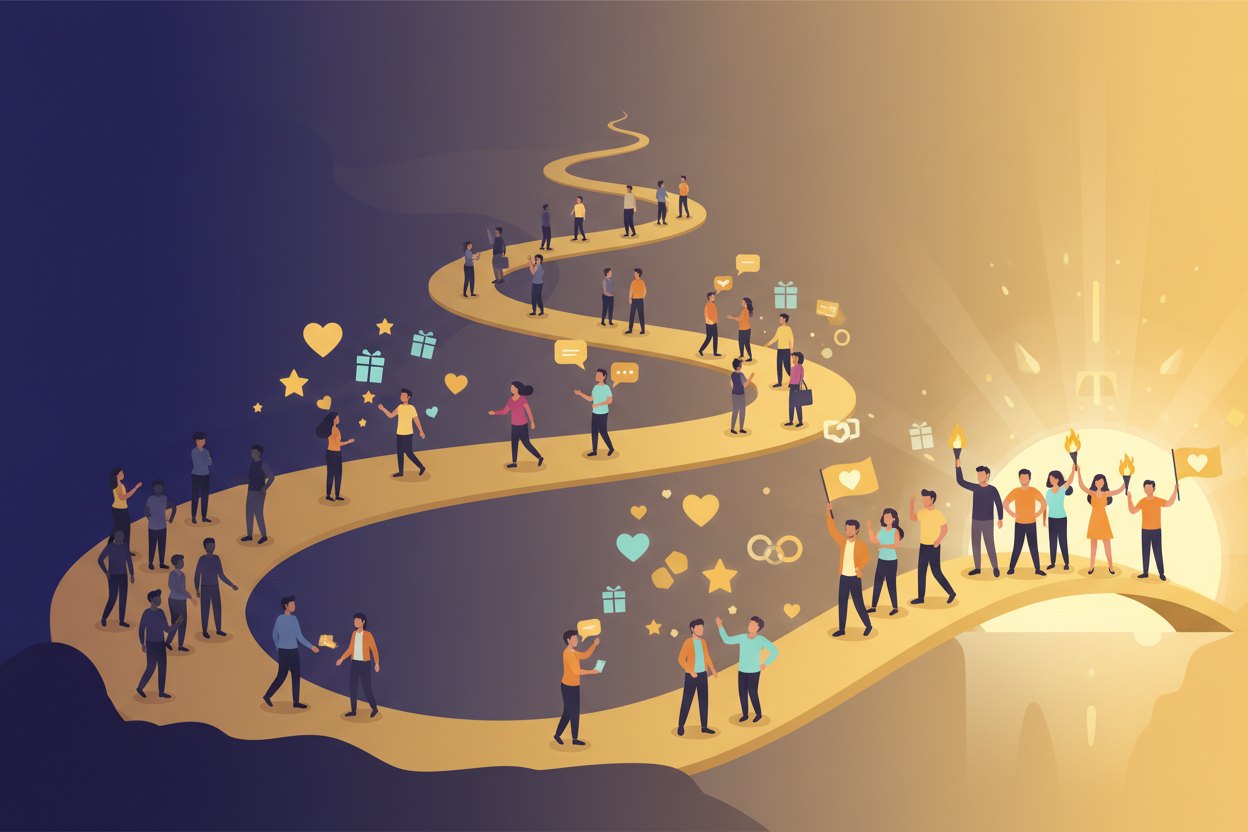
Think of your sales funnel as a roadmap that takes potential customers from complete strangers to loyal advocates of your brand. It’s not about pushing people to buy immediately; it’s about building relationships and providing value at every step of their journey. When done right, an effective funnel doesn’t just bring you more customers – it brings you the right customers who are genuinely excited about what you offer.
In this comprehensive guide, we’ll walk through the essential components of building a customer acquisition funnel that actually works. Whether you’re a small business owner just starting out or an established company looking to optimize your approach, these strategies will help you attract, engage, and convert more prospects into paying customers.
Understanding the Customer Acquisition Funnel
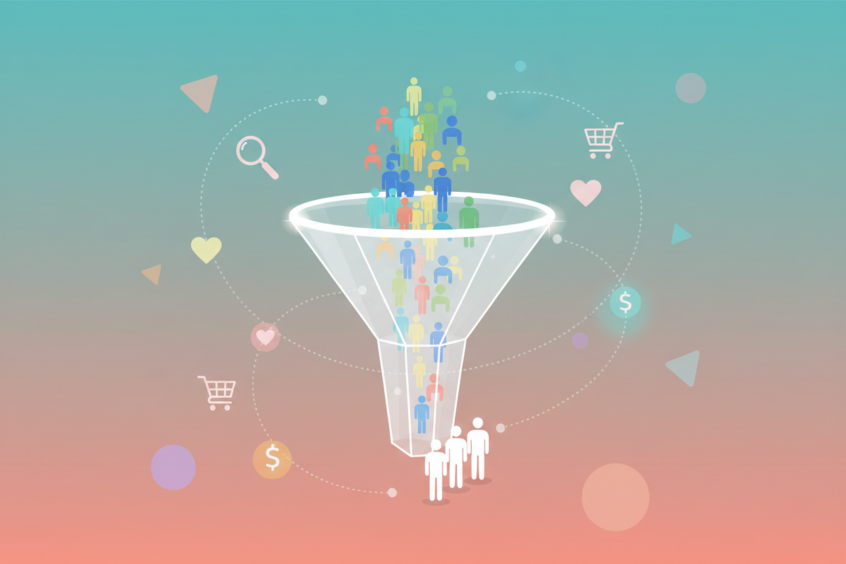
Before diving into the nuts and bolts of funnel building, let’s establish what we’re actually talking about. A customer acquisition funnel is essentially the path that prospects take from their first interaction with your brand to becoming paying customers. It’s called a funnel because, just like its physical counterpart, it’s wide at the top and narrow at the bottom.
At the top, you have lots of people who might be interested in what you offer. As they move through each stage, some drop off while others become more engaged. By the time they reach the bottom, you’re left with highly qualified prospects who are ready to make a purchase decision.
The beauty of understanding this process is that you can optimize each stage to improve your conversion rates. Instead of hoping that customers will somehow find their way to you, you’re actively guiding them through a carefully designed experience that addresses their needs and concerns at every step.
Stage 1: Awareness – Getting on Their Radar
The awareness stage is where everything begins. This is when potential customers first discover that your business exists. They might not even realize they have a problem that needs solving, or they might be just starting to research solutions.
Creating effective awareness campaigns requires you to think like your ideal customer. Where do they spend their time online? What kind of content do they consume? What challenges keep them up at night? Once you understand these factors, you can create content and campaigns that naturally attract their attention.
Content marketing plays a crucial role at this stage. Blog posts, social media content, videos, and podcasts can all help establish your brand as a trusted source of information. The key is to focus on providing value rather than selling. When someone discovers your helpful blog post about solving a problem they’re facing, they begin to associate your brand with expertise and reliability.
Search engine optimization becomes particularly important here. When people search for solutions to their problems, you want your content to appear in their search results. This means researching the keywords your target audience uses and creating content that addresses their specific questions and concerns.
Stage 2: Interest – Nurturing Curiosity
Once you’ve captured someone’s attention, the next challenge is maintaining their interest. This is where many businesses make the mistake of immediately trying to sell. Instead, this stage should focus on education and relationship building.
Email marketing becomes incredibly powerful during the interest stage. When someone subscribes to your newsletter or downloads a free resource, they’re giving you permission to continue the conversation. This is your opportunity to share valuable insights, case studies, and behind-the-scenes content that helps them understand how you can help them.
The content you create during this stage should be more detailed and specific than your awareness-stage content. While a blog post might introduce a concept, your interest-stage content could include detailed guides, webinars, or email courses that dive deeper into the subject matter.
Social proof starts becoming important here too. Testimonials, case studies, and examples of your work help potential customers visualize what success might look like for them. People want to see evidence that others like them have achieved positive results by working with you.
Stage 3: Consideration – Evaluating Options
During the consideration stage, prospects are actively comparing different solutions to their problem. They know they need help, and now they’re trying to figure out which option is best for their specific situation.
This is where you need to differentiate yourself from the competition. What makes your approach unique? Why should someone choose you over other available options? The answers to these questions should be woven throughout your consideration-stage content.
Product demonstrations, free consultations, and detailed case studies work particularly well during this stage. People want to get a feel for what it would be like to work with you before they commit. The more you can show rather than tell, the more effective your funnel will be.
Addressing common objections and concerns is crucial here. What hesitations do people typically have about your product or service? Create content that directly addresses these concerns with honest, thoughtful responses. This builds trust and helps prospects feel more confident about moving forward.
Stage 4: Conversion – Making the Sale
The conversion stage is where prospects finally become customers. By this point, they should be well-educated about their problem, convinced that you can help them solve it, and ready to take action.
Your conversion process should be as smooth and straightforward as possible. Remove any unnecessary friction that might cause someone to change their mind at the last minute. This means having clear pricing, simple checkout processes, and readily available customer support.
Creating urgency can be effective, but it needs to be genuine. Limited-time offers or bonuses for early action can motivate people to move forward, but artificial scarcity tactics often backfire. Focus on communicating the real benefits of taking action now rather than waiting.
Multiple conversion opportunities can also improve your results. Not everyone is ready to make a large purchase immediately, so consider offering different entry points like smaller products, trial periods, or consultation calls that can lead to larger sales later.
Stage 5: Retention – Building Long-Term Relationships
Many businesses make the mistake of thinking the funnel ends once someone makes a purchase. In reality, the retention stage is where the real value lies. Acquiring new customers costs significantly more than keeping existing ones, and satisfied customers often become your best source of referrals.
The onboarding experience sets the tone for the entire customer relationship. Make sure new customers feel supported and confident about their decision to work with you. Provide clear instructions, helpful resources, and proactive communication to help them get the most value from their purchase.
Regular follow-up is essential for retention. Check in with customers to see how they’re doing, offer additional support when needed, and continue providing value through newsletters, updates, and exclusive content. The goal is to remain top-of-mind so they think of you when they need additional help or when friends ask for recommendations.
Measuring and Optimizing Your Funnel Performance
Building a funnel is just the beginning. To maximize its effectiveness, you need to continuously measure and optimize its performance. This means tracking key metrics at each stage and identifying where improvements can be made.
Conversion rates between stages tell you where people are dropping off. If you’re getting lots of website visitors but few email subscribers, you might need to improve your lead magnets or make your opt-in forms more compelling. If people are subscribing but not purchasing, you might need to work on your nurturing sequence or address additional objections.
Customer feedback provides invaluable insights for optimization. Survey your customers about their experience and ask what nearly prevented them from buying. Their answers will reveal opportunities to improve your funnel and address common concerns more effectively.
A/B testing different elements of your funnel can lead to significant improvements over time. Test different headlines, email subject lines, call-to-action buttons, and content formats to see what resonates best with your audience. Small improvements at each stage can compound into substantial increases in overall conversion rates.
Common Funnel Building Mistakes to Avoid
Even with the best intentions, it’s easy to make mistakes when building your first customer acquisition funnel. One of the most common errors is trying to move people through the funnel too quickly. Remember that building trust takes time, and rushing the process often results in lower conversion rates.
Another frequent mistake is creating generic content that tries to appeal to everyone. Your funnel will be much more effective if you focus on a specific target audience and address their particular needs and concerns. It’s better to strongly appeal to a smaller group than to weakly appeal to everyone.
Neglecting mobile users can also significantly impact your funnel’s performance. With more people browsing and buying on their phones, every stage of your funnel needs to work seamlessly on mobile devices. Test your entire customer journey on various devices to ensure a smooth experience.
Finally, many businesses underestimate the importance of the retention stage. While it’s exciting to focus on acquiring new customers, neglecting existing ones is a costly mistake. A small investment in customer retention can yield significant returns through repeat purchases and referrals.
Conclusion
Building an effective customer acquisition funnel isn’t about manipulating people into buying something they don’t need. It’s about creating a helpful, educational journey that guides potential customers toward a solution that genuinely benefits them. When done correctly, your funnel becomes a valuable asset that consistently brings in qualified leads and converts them into satisfied customers.
Remember that funnel building is an iterative process. Your first version won’t be perfect, and that’s okay. The key is to start with a solid foundation and continuously improve based on data and customer feedback. Focus on providing genuine value at each stage, and the sales will naturally follow.
The businesses that succeed in today’s competitive marketplace are those that understand their customers’ journey and create experiences that guide them toward the best solution. By implementing the strategies outlined in this guide, you’ll be well on your way to building a funnel that not only attracts more customers but attracts the right customers who are excited to work with you.
Start by mapping out your current customer journey, identify gaps where prospects might be falling through the cracks, and begin implementing improvements one stage at a time. With patience and persistence, you’ll build a customer acquisition system that becomes the foundation for sustainable business growth.
No More BS – Get a FREE Consultation
No more BS. Let’s talk real world $#!+ about what you need. You’ll meet with our top dog, and you’ll leave with a better understanding of what you need to do, and how RyCOM might help.