
Business Logo and Website: Creating Brand Cohesion That Drives Success
Picture this: a potential customer visits your website after seeing your logo on a business card. They’re expecting a seamless experience that reinforces what your brand represents, but instead, they’re met with conflicting colors, mismatched fonts, and a completely different visual language. Within seconds, confusion sets in, trust wavers, and that potential customer clicks away.
This scenario plays out thousands of times daily across the digital landscape, and it highlights a critical oversight many businesses make: failing to create cohesion between their logo and website design. Your logo isn’t just a pretty symbol, and your website isn’t just a digital brochure. Together, they form the visual foundation of your brand identity, and when they work in harmony, magic happens.
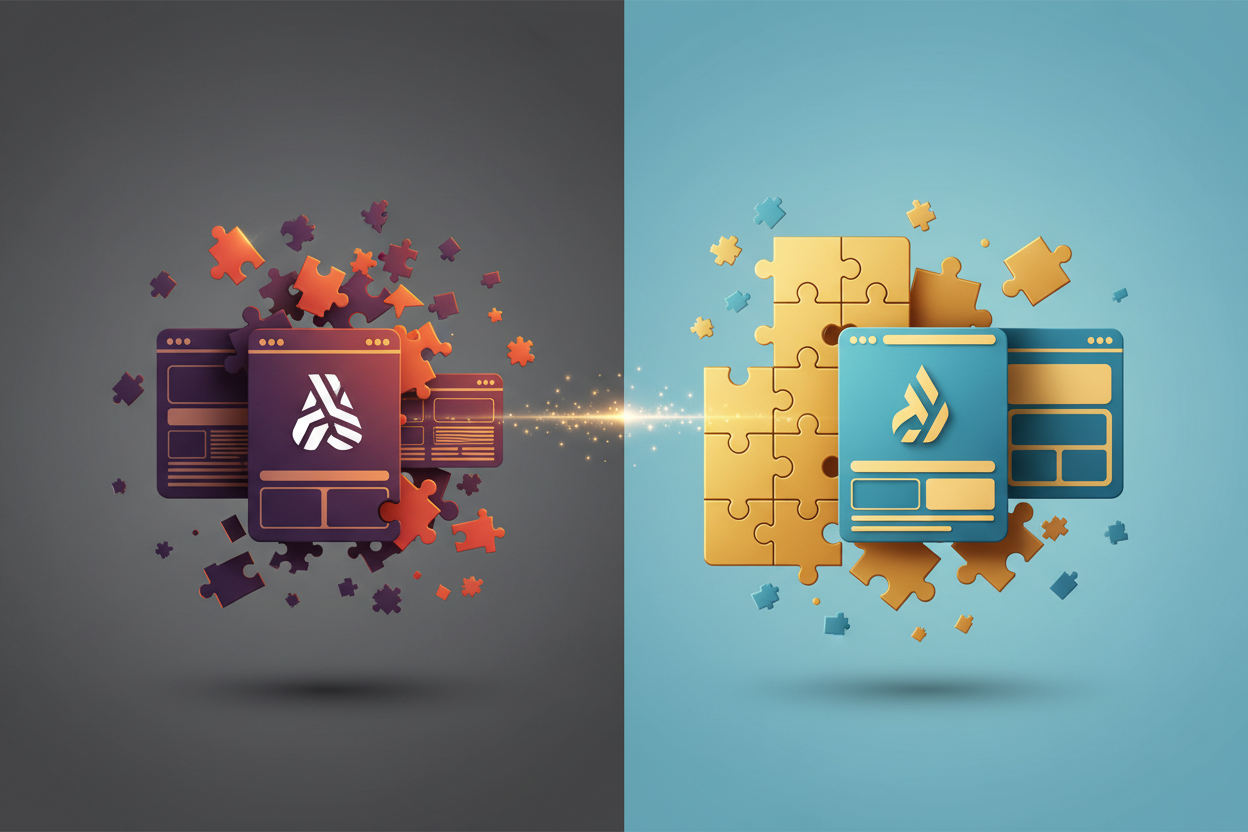
Brand cohesion between your logo and website creates an instant sense of professionalism, builds trust with your audience, and ensures your brand message resonates consistently across all touchpoints. Let’s explore how you can achieve this powerful synergy and transform your business presence from scattered to sophisticated.
Understanding the Foundation of Brand Cohesion
Brand cohesion goes far beyond simply slapping your logo onto your website header and calling it a day. It’s about creating a unified visual language that speaks consistently about who you are as a business, what you value, and how you want to be perceived by your audience.
Think of successful brands like Apple, Nike, or Starbucks. Their logos don’t exist in isolation – they’re part of a comprehensive visual ecosystem that extends seamlessly into their websites, packaging, advertising, and every customer touchpoint. This consistency isn’t accidental; it’s the result of careful planning and strategic design decisions.
When your logo and website share common design elements, colors, typography, and messaging tone, you create what psychologists call “cognitive fluency” – the ease with which people can process and understand information. This fluency translates directly into trust, memorability, and ultimately, customer loyalty.
The Psychology Behind Visual Consistency
Human brains are pattern-recognition machines, constantly seeking familiar elements to help process new information quickly. When someone encounters your brand multiple times with consistent visual elements, their brain begins to form positive associations and expectations.
Research shows that consistent brand presentation across all platforms can increase revenue by up to 23%. This isn’t just about looking pretty – it’s about creating psychological comfort and reliability in your audience’s minds. When your logo’s design language flows naturally into your website, visitors subconsciously feel they’re in the right place, dealing with a legitimate, professional organization.
Consider how jarring it feels when you click on a link expecting one type of content and find something completely different. The same principle applies to visual branding. Inconsistency creates cognitive dissonance, while cohesion creates confidence.
Essential Elements for Logo and Website Harmony
Creating cohesion between your logo and website requires attention to several key design elements that should flow seamlessly from one to the other.
Color palette forms the backbone of this relationship. Your logo’s colors should appear strategically throughout your website – not necessarily everywhere, but in meaningful places like headers, buttons, accent elements, and call-to-action areas. If your logo features a distinctive blue, that blue should guide navigation elements, links, or highlighting on your site.
Typography creates another crucial connection point. The fonts used in your logo (or complementary font families) should extend into your website’s headings, body text, and navigation. This doesn’t mean everything needs to match exactly, but there should be a clear typographic relationship that feels intentional and harmonious.
Shape and form language represent more subtle but equally important elements. If your logo features rounded corners and organic shapes, your website buttons, image treatments, and layout elements should echo this softness. Conversely, if your logo is angular and geometric, your website should reflect that precision and structure.
Color Psychology and Strategic Implementation
Color carries emotional weight and communicates subconscious messages about your brand personality. The colors in your logo should tell a story that your website continues and amplifies.
Warm colors like reds and oranges convey energy, passion, and urgency – perfect for brands wanting to inspire action or excitement. Cool colors like blues and greens suggest trust, stability, and growth – ideal for financial services, healthcare, or environmental companies. Neutral colors like grays and browns communicate sophistication, reliability, and timelessness.
The key is using your logo’s color palette strategically throughout your website. Primary colors from your logo should appear in high-impact areas like headers, primary buttons, and key messaging sections. Secondary colors can support navigation, form elements, and content highlights. Even if your logo is monochromatic, you can develop a supporting color palette that maintains the same emotional tone and visual weight.
Typography That Tells Your Brand Story
Typography is often called the voice of design, and nowhere is this more important than in the relationship between your logo and website. The fonts you choose communicate personality, professionalism, and brand values before anyone reads a single word.
If your logo features a modern, clean sans-serif font, your website typography should reflect that contemporary, approachable feeling. This doesn’t mean using the exact same font everywhere – in fact, that can become monotonous. Instead, choose complementary fonts that share similar characteristics: similar x-heights, stroke weights, or geometric properties.
Script or decorative fonts in logos require careful handling on websites. While these fonts create personality and distinctiveness in a logo, they can become difficult to read in body text or navigation elements. The solution is finding simpler fonts that echo the spirit of your logo font while maintaining excellent readability across all devices and screen sizes.
Layout and Composition Strategies
The way elements are arranged and balanced in your logo should influence your website’s layout and composition. This creates a subtle but powerful sense of visual continuity that reinforces your brand identity.
If your logo has a horizontal orientation, consider how that might translate to your website’s header design, navigation layout, or content sections. A vertically-oriented logo might inspire a different approach to sidebar layouts or call-to-action placements.
Balance and proportion matter tremendously. If your logo demonstrates careful attention to white space and breathing room, your website should reflect that same spatial sensibility. Cramped, cluttered web layouts will feel disconnected from a clean, minimalist logo design.
Grid systems help maintain consistency between your logo’s proportional relationships and your website’s content organization. Many successful brands use mathematical relationships from their logo design to inform spacing, sizing, and alignment decisions throughout their digital presence.
Responsive Design Considerations
Today’s multi-device world demands that your brand cohesion works flawlessly across smartphones, tablets, desktops, and everything in between. Your logo and website relationship must remain strong regardless of screen size or viewing context.
This means planning for how your logo will scale and adapt while maintaining its connection to your website’s design elements. Sometimes this requires creating multiple logo variations – a horizontal version for desktop headers, a simplified version for mobile navigation, or an icon version for social media profiles.
Your website’s responsive behavior should reflect your logo’s design principles. If your logo emphasizes clarity and simplicity, your mobile website should prioritize clean navigation and uncluttered content presentation. If your logo is more decorative or complex, you might embrace richer visual elements that scale appropriately across devices.
Measuring and Maintaining Brand Cohesion
Creating initial cohesion between your logo and website is just the beginning. Maintaining that consistency as your business evolves requires ongoing attention and systematic approaches.
Develop brand guidelines that clearly document how your logo relates to your website design. Include color codes, font specifications, spacing requirements, and usage examples. These guidelines become invaluable when working with designers, developers, or marketing team members who need to maintain consistency.
Regular brand audits help identify areas where cohesion might be slipping. Review your website quarterly, comparing it against your logo and brand guidelines. Look for inconsistencies in color usage, typography choices, or visual treatments that might have crept in during updates or content additions.
User feedback and analytics can also reveal cohesion issues. If visitors seem confused about navigation, struggle to find key information, or have higher-than-expected bounce rates, visual inconsistency might be contributing to these problems.
Common Pitfalls and How to Avoid Them
Even well-intentioned businesses often stumble when trying to create logo and website cohesion. Understanding these common mistakes can help you avoid them entirely.
Over-matching represents one extreme where everything looks exactly the same, creating monotony rather than cohesion. Your logo colors don’t need to appear in every single website element. Instead, use them strategically for maximum impact and visual interest.
Under-matching creates the opposite problem – your logo and website look like they belong to different companies entirely. This often happens when businesses redesign one element without considering the other, or when different designers work on each component without coordination.
Trend-chasing can destroy carefully planned cohesion. While it’s important to keep your brand fresh and contemporary, jumping on every design trend can create disconnection between your established logo and constantly changing website elements.
Building Long-term Brand Equity
When your logo and website work together harmoniously, you’re not just creating a pretty design – you’re building valuable brand equity that compounds over time. Every consistent interaction reinforces your brand identity in customers’ minds, making your business more memorable, trustworthy, and recognizable.
This equity translates into real business value: higher customer retention, increased referrals, premium pricing opportunities, and easier market expansion. Customers who have positive, consistent brand experiences become advocates who actively promote your business to others.
The investment in creating and maintaining logo-website cohesion pays dividends far beyond the initial design costs. It’s a strategic business decision that influences everything from marketing effectiveness to customer lifetime value.
Creating powerful brand cohesion between your business logo and website isn’t just about following design rules – it’s about crafting a unified brand experience that resonates with your audience and drives business success. When these elements work together seamlessly, they create something greater than the sum of their parts: a memorable, trustworthy brand that stands out in today’s crowded marketplace.
Remember, brand cohesion is an ongoing journey, not a one-time destination. As your business evolves, your visual identity should evolve too, but always with careful attention to maintaining that crucial connection between your logo and digital presence. The businesses that master this relationship are the ones that build lasting customer relationships and sustainable competitive advantages.
Start by auditing your current logo and website relationship. Identify areas of strength and opportunities for improvement. Then, develop a systematic approach to enhancing cohesion while maintaining the unique personality that makes your brand special. Your customers – and your bottom line – will thank you for the effort.
No More BS – Get a FREE Consultation
No more BS. Let’s talk real world $#!+ about what you need. You’ll meet with our top dog, and you’ll leave with a better understanding of what you need to do, and how RyCOM might help.