
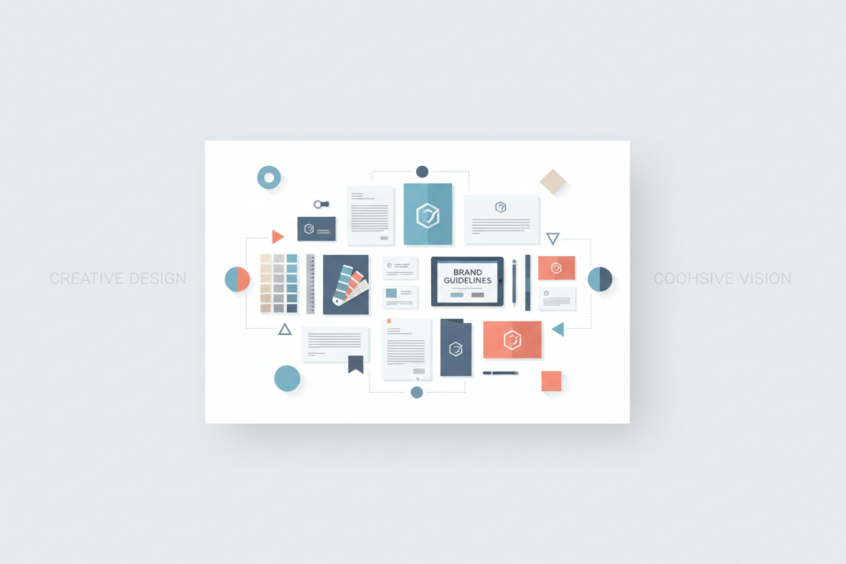
Marketing Materials Design: How to Create Cohesive Branding That Converts
Picture this: you walk into a store and immediately recognize the brand before you even see the logo. That’s the power of cohesive branding in action. When your marketing materials work together like a well-orchestrated symphony, they create an unforgettable brand experience that builds trust, recognition, and ultimately drives conversions.
Creating cohesive branding across all your marketing materials isn’t just about making things look pretty – though that certainly doesn’t hurt. It’s about crafting a consistent visual language that speaks to your audience and reinforces your brand values at every touchpoint. Whether someone encounters your business card, website, or billboard, they should instantly know it’s you.
In today’s crowded marketplace, businesses that nail their visual consistency see up to 23% more revenue growth than those with inconsistent branding. That’s not pocket change – that’s the difference between thriving and merely surviving. Let’s dive into how you can create marketing materials that not only look cohesive but also work harder for your business.
Understanding the Foundation of Cohesive Brand Design
Before you start designing your first business card or social media post, you need to establish your brand’s visual DNA. Think of this as your brand’s genetic code – the fundamental elements that will appear in every piece of marketing material you create.
Your brand foundation starts with understanding your brand personality. Are you playful and approachable like a neighborhood coffee shop, or sophisticated and professional like a law firm? This personality should shine through in every design choice you make, from color selection to typography.
The most successful brands don’t just slap their logo on everything and call it a day. They create a comprehensive visual system that includes primary and secondary colors, specific fonts for different uses, imagery styles, and even the tone of voice used in written content. This system becomes your north star for all future design decisions.
Consider how Apple maintains consistency across everything from their sleek product packaging to their minimalist website design. Every element reinforces their brand values of simplicity, innovation, and premium quality. That’s the kind of cohesive thinking that transforms good brands into great ones.
Essential Elements of Brand Consistency
Creating cohesive marketing materials requires attention to several key elements that work together to form your brand identity. Let’s break down the most critical components that need to remain consistent across all your marketing touchpoints.
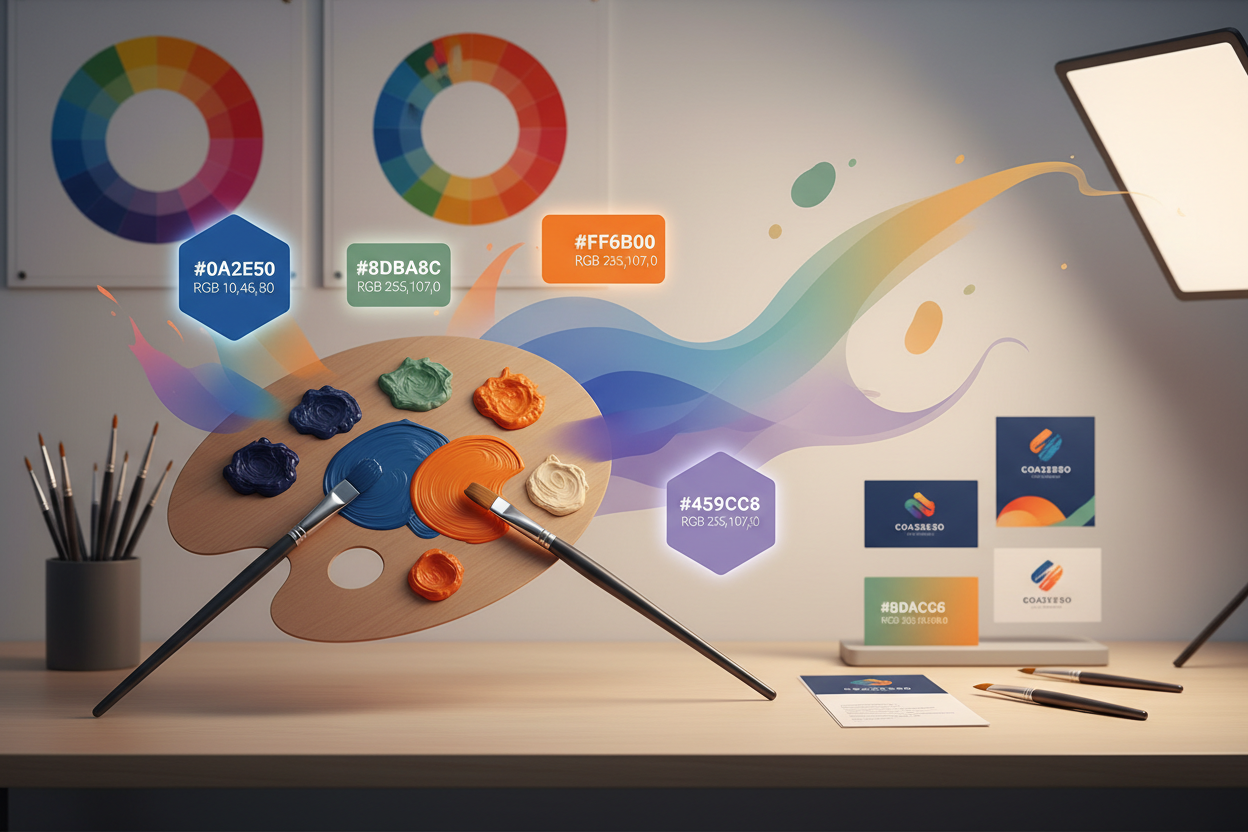
Your color palette serves as the emotional foundation of your brand. Colors trigger psychological responses – blue conveys trust and stability, while orange suggests energy and enthusiasm. Choose a primary color that represents your brand’s core personality, then select two to three complementary colors that support your main hue. Document the exact color codes (hex, RGB, and CMYK values) to ensure consistency across digital and print materials.
Typography plays a crucial role in brand recognition and readability. Select one primary font for headlines and a complementary font for body text. Avoid the temptation to use too many different typefaces – it creates visual chaos and weakens your brand impact. Stick to fonts that reflect your brand personality and ensure they’re readable across all platforms and sizes.
Your logo treatment and placement guidelines prevent your brand mark from being used incorrectly. Establish rules for minimum sizes, clear space requirements, and acceptable color variations. Create templates showing proper logo placement on different materials, from business cards to billboards. This attention to detail prevents your logo from looking cramped, distorted, or lost in busy designs.
Developing Your Brand Style Guide
A comprehensive brand style guide serves as your marketing materials bible – the single source of truth that keeps everyone on the same page, whether you’re working with internal team members or external designers and agencies.
Start by documenting your brand’s mission, vision, and core values. These aren’t just feel-good statements; they should directly influence your design choices. If sustainability is a core value, your materials might feature earth tones and recycled paper textures. If innovation drives your brand, you might opt for bold, modern typography and cutting-edge design elements.
Include detailed specifications for every visual element. Document your exact color codes, font names and sizes, logo variations, and approved imagery styles. Create examples showing correct and incorrect usage – this prevents costly mistakes and ensures consistency even when you’re not directly overseeing every project.
Don’t forget to address tone of voice and messaging guidelines. The words you use are just as important as the visuals. Establish whether your brand voice is formal or casual, technical or conversational, serious or playful. Provide examples of approved language and phrases that align with your brand personality.
Designing Print Marketing Materials
Print materials still pack a powerful punch in our digital world. There’s something tangible and memorable about well-designed print pieces that digital materials sometimes can’t match. The key is ensuring your print materials seamlessly integrate with your overall brand experience.
Business cards remain one of the most important first impressions you’ll make. Your card should immediately communicate your brand personality through color, typography, and layout choices. Consider the paper quality and finish – a tech startup might choose a sleek, modern cardstock, while a handmade jewelry business might opt for textured paper that reflects their artisanal approach.
Brochures and flyers offer more space to tell your brand story, but they also present more opportunities for inconsistency. Establish a grid system that maintains visual balance and hierarchy across different page layouts. Use your brand colors strategically to guide the reader’s eye and highlight important information.
When designing larger format materials like posters or banners, remember that your brand elements need to work at scale. Test your designs at actual size when possible, or at least view them from the distance they’ll typically be seen. What looks great on your computer screen might not have the same impact when printed large or viewed from across a trade show floor.
Creating Digital Marketing Assets
Digital marketing materials present unique challenges and opportunities for brand consistency. Unlike print materials, digital assets need to work across various screen sizes, platforms, and technical specifications while maintaining your brand integrity.
Social media platforms each have their own personality and technical requirements, but your brand should shine through consistently across all channels. Develop templates for different post types – promotional posts, educational content, behind-the-scenes glimpses – that maintain your visual consistency while adapting to each platform’s best practices.
Your website serves as your brand’s digital headquarters, where all other marketing efforts should drive traffic. Ensure your web design reflects the same visual principles as your print materials. Use consistent color schemes, typography, and imagery styles throughout your site. Pay special attention to how your brand translates across different devices – what looks perfect on desktop should feel equally cohesive on mobile.
Email marketing templates deserve special attention since they’re often the most frequent touchpoint with your audience. Create branded templates for different email types – newsletters, promotional announcements, welcome sequences – that maintain visual consistency while serving different purposes. Remember that email clients display content differently, so test your templates across multiple platforms.
Maintaining Consistency Across Different Platforms
The real challenge in cohesive branding comes when you need to adapt your visual identity across vastly different platforms and mediums. A design that works beautifully on Instagram might not translate well to a highway billboard, but both should unmistakably belong to your brand.
Platform adaptation doesn’t mean compromising your brand identity – it means being smart about how you apply your brand elements. Your color palette might need slight adjustments for different printing processes or screen displays, but the overall feeling should remain consistent. Your logo might need simplified versions for small applications, but the essence should be immediately recognizable.
Consider creating a hierarchy of brand elements that helps you maintain consistency even when space or technical limitations require compromises. Identify which elements are non-negotiable (perhaps your signature color and primary font) and which can be adapted while maintaining brand integrity.
Cross-platform consistency also means thinking about the user journey. Someone might discover your brand on social media, visit your website, receive your email newsletter, and eventually see your print advertisement. Each touchpoint should feel like a natural continuation of the same brand experience, building recognition and trust along the way.
Tools and Resources for Brand Management
Managing brand consistency becomes much easier with the right tools and systems in place. You don’t need to break the bank to maintain professional-level brand standards – many excellent tools are available at various price points.
Brand asset management platforms help you store, organize, and share your brand elements with team members and external partners. These tools ensure everyone has access to the most current logo files, color codes, and brand guidelines. Some platforms even include approval workflows that prevent off-brand materials from being published.
Design software with template capabilities can streamline your material creation process. Create master templates for common marketing materials, then duplicate and customize them for specific campaigns or purposes. This approach maintains consistency while speeding up your design workflow.
Don’t overlook the power of simple documentation. A well-organized shared folder with properly named files, current brand guidelines, and clear folder structures can prevent many consistency issues. The key is making it easy for anyone working on your materials to find and use the correct brand assets.
Measuring the Impact of Cohesive Branding
Cohesive branding isn’t just about aesthetics – it’s a business strategy that should deliver measurable results. Understanding how to track the impact of your consistent branding efforts helps you refine your approach and demonstrate the value of design investments.
Brand recognition metrics provide insight into how well your cohesive branding is working. Track unaided brand awareness through surveys, monitor social media mentions and engagement rates, and measure website traffic from brand-related searches. When your branding is truly cohesive, people should be able to identify your materials even without seeing your logo.
Customer trust and loyalty often improve with consistent branding. Monitor customer retention rates, repeat purchase behavior, and customer lifetime value. Cohesive branding builds familiarity, and familiarity breeds trust. Trust leads to loyalty, and loyalty drives long-term business success.
Conversion rates across different marketing channels can reveal the effectiveness of your cohesive approach. When your materials work together to reinforce the same brand message, the cumulative effect often leads to higher conversion rates than inconsistent campaigns that confuse or fail to build recognition.
Creating cohesive branding across all your marketing materials isn’t just a nice-to-have – it’s a competitive necessity in today’s market. When you invest the time and effort to develop a consistent visual identity, you’re building a valuable business asset that pays dividends through increased recognition, trust, and ultimately, revenue.
The journey to cohesive branding starts with understanding your brand’s personality and values, then systematically applying those insights across every piece of marketing material you create. It requires attention to detail, consistency in execution, and ongoing commitment to maintaining your standards.
Remember, cohesive branding isn’t about perfection – it’s about consistency. Start with the basics: establish your color palette, choose your fonts, and create simple guidelines. Build on this foundation gradually, refining and expanding your brand system as your business grows. The key is to start somewhere and remain committed to the process. Your future customers – and your bottom line – will thank you for the effort.
No More BS – Get a FREE Consultation
No more BS. Let’s talk real world $#!+ about what you need. You’ll meet with our top dog, and you’ll leave with a better understanding of what you need to do, and how RyCOM might help.