
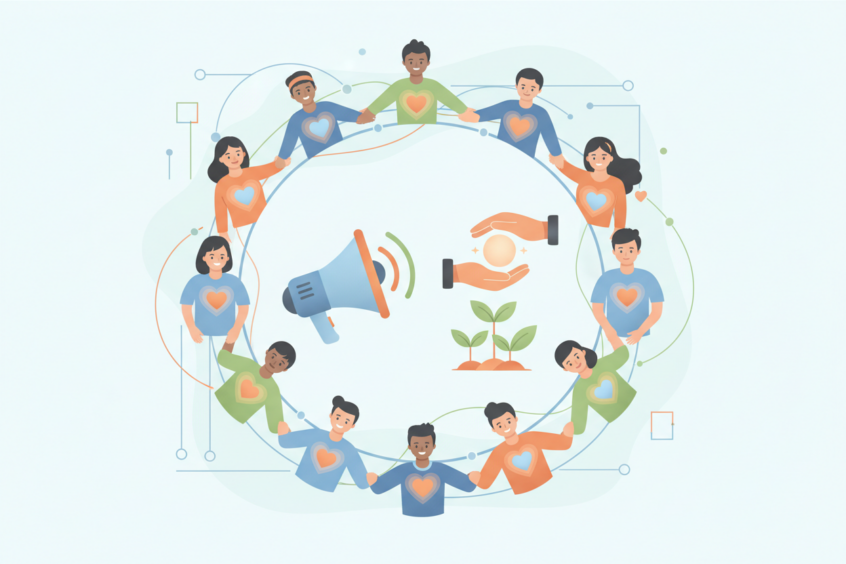
Marketing for Non-Profits: Building a Mission-Driven Campaign That Creates Real Impact
Non-profit marketing isn’t just about raising funds—it’s about igniting passion, building communities, and transforming lives. When done right, a mission-driven campaign becomes a powerful force that connects hearts, opens wallets, and creates lasting change. But here’s the thing: many non-profits struggle to cut through the noise in today’s crowded digital landscape.
The secret lies in understanding that non-profit marketing is fundamentally different from traditional business marketing. You’re not selling a product; you’re selling hope, change, and the opportunity to be part of something bigger. This requires a unique approach that puts your mission at the center of everything you do.
In this comprehensive guide, we’ll explore how to build marketing campaigns that not only raise awareness and funds but also create genuine connections with your audience. Whether you’re a small local charity or a large international organization, these strategies will help you amplify your impact and reach the people who care most about your cause.

Understanding the Non-Profit Marketing Landscape
The non-profit sector has experienced a dramatic shift in recent years. With over 1.5 million non-profits operating in the United States alone, competition for donor attention has never been fiercer. Traditional fundraising methods like direct mail and phone campaigns, while still effective, are no longer sufficient on their own.
Today’s donors, especially younger generations, expect transparency, authenticity, and meaningful engagement. They want to see exactly how their contributions make a difference. This shift has created both challenges and opportunities for non-profit marketers who are willing to adapt their strategies.
The most successful non-profit marketing campaigns today share several key characteristics: they tell compelling stories, demonstrate clear impact, engage supporters across multiple channels, and create opportunities for meaningful participation beyond just donating money.
Crafting Your Core Mission Message
Your mission statement isn’t just a paragraph on your website—it’s the foundation of every marketing campaign you’ll ever run. But here’s where many organizations stumble: they confuse what they do with why they do it. Your mission message should focus on the transformation you’re creating in the world, not just the activities you perform.
Start by answering this fundamental question: What would the world lose if your organization didn’t exist? The answer to this question becomes the emotional core of your marketing message. For example, instead of saying “We provide meals to homeless individuals,” try “We restore dignity and hope to people experiencing homelessness, one meal at a time.”
Your core message should be simple enough for a child to understand, emotional enough to move people to action, and specific enough to differentiate you from similar organizations. Test your message with different audiences—board members, volunteers, beneficiaries, and potential donors—to ensure it resonates across all groups.
Storytelling That Moves Hearts and Minds
Stories are the lifeblood of non-profit marketing. While statistics inform, stories transform. The most powerful non-profit campaigns don’t just share numbers about the problem they’re solving; they introduce us to real people whose lives have been changed.
Effective non-profit storytelling follows a classic narrative structure: introduce a relatable character facing a significant challenge, show how your organization’s intervention creates a turning point, and reveal the transformation that results. But remember, your donors aren’t just observers in this story—they’re co-heroes whose support makes the transformation possible.
Consider the difference between these two approaches: “Last year, we served 10,000 meals to food-insecure families” versus “When Maria’s husband lost his job, she didn’t know how she’d feed her three children. Thanks to supporters like you, our food pantry provided not just meals, but hope during her family’s darkest hour. Today, Maria volunteers at our pantry, paying forward the kindness she received.”
The second approach creates an emotional connection, shows clear impact, and demonstrates how donors become part of a larger community of change-makers. Always remember to obtain proper consent before sharing personal stories and consider the dignity and privacy of the people you serve.
Digital Marketing Strategies for Maximum Impact
Digital marketing has leveled the playing field for non-profits of all sizes. With the right strategy, a small organization can achieve the same reach as a major charity. The key is focusing on platforms where your audience is most active and creating content that encourages engagement and sharing.
Social media marketing for non-profits should follow the 80/20 rule: 80% of your content should educate, inspire, or entertain your audience, while only 20% should directly ask for donations. Share behind-the-scenes content, volunteer spotlights, impact stories, and educational posts about your cause. This approach builds trust and keeps your audience engaged between fundraising campaigns.
Email marketing remains one of the most effective channels for non-profit communication. Segment your email list based on donor history, volunteer involvement, and engagement levels to deliver more personalized messages. Regular newsletters should balance updates about your work, stories of impact, and clear calls-to-action that match each segment’s relationship with your organization.
Search engine optimization (SEO) is crucial for helping people discover your organization when they’re searching for causes they care about. Optimize your website content for keywords related to your mission, create valuable resources that people want to share, and ensure your site loads quickly and works well on mobile devices.
Building Authentic Donor Relationships
The most successful non-profit marketing campaigns understand that fundraising is really relationship-building. Every interaction with a potential or existing donor is an opportunity to deepen their connection to your mission and increase their lifetime value to your organization.
Donor stewardship begins the moment someone makes their first contribution, no matter how small. A thoughtful thank-you process that shows specific impact can turn a one-time donor into a lifelong supporter. Consider sending new donors a welcome packet that includes a personal note, information about your programs, and a small token of appreciation.
Transparency builds trust, and trust drives long-term giving. Share both successes and challenges with your donor community. When you face setbacks, explain what you’ve learned and how you’re adapting. This honesty creates stronger relationships than only sharing positive news.
Create multiple engagement opportunities beyond donating money. Invite supporters to volunteer, attend events, advocate for policy changes, or share your content on social media. The more ways people can connect with your mission, the stronger their relationship with your organization becomes.
Measuring Success Beyond the Dollars
While fundraising totals are important, they don’t tell the complete story of your marketing success. Effective non-profit marketing measurement includes engagement metrics, relationship-building indicators, and mission-specific outcomes.
Track metrics like email open rates, social media engagement, website traffic, and volunteer sign-ups alongside donation amounts. These indicators help you understand which messages resonate most strongly with your audience and which channels drive the highest quality engagement.
Donor retention rate is often more important than total funds raised. It costs significantly more to acquire new donors than to retain existing ones, so focus on strategies that keep supporters engaged over time. A healthy non-profit typically sees donor retention rates between 40-50%.
Don’t forget to measure your mission impact and communicate it clearly to supporters. Create simple, visual reports that show how donations translate into real-world outcomes. This connection between giving and impact is crucial for maintaining donor loyalty and attracting new supporters.
Creating Sustainable Marketing Momentum
The most effective non-profit marketing isn’t built around individual campaigns—it’s an ongoing conversation with your community. Sustainable marketing momentum requires consistent messaging, regular communication, and continuous relationship building.
Develop a content calendar that balances different types of messaging throughout the year. Plan major fundraising campaigns around giving seasons like end-of-year appeals, but maintain engagement year-round with educational content, impact stories, and community updates.
Build partnerships with other organizations, local businesses, and community leaders who share your values. These relationships can amplify your message, provide new fundraising opportunities, and help you reach audiences you might not connect with on your own.
Invest in your marketing infrastructure, including donor management systems, email marketing platforms, and social media scheduling tools. These investments pay dividends by making your team more efficient and helping you maintain consistent communication with supporters.
Conclusion: Your Mission as Your Marketing Superpower
Mission-driven marketing isn’t just a strategy—it’s a fundamental shift in how you think about connecting with supporters. When your marketing authentically reflects your organization’s purpose and impact, it becomes a powerful tool for creating the change you want to see in the world.
Remember that effective non-profit marketing is a marathon, not a sprint. Focus on building genuine relationships with people who care about your cause, and those relationships will sustain your organization through challenges and amplify your successes. Every story you share, every thank-you note you send, and every impact report you create is an investment in a community of supporters who believe in your mission.
The world needs the work you’re doing, and the right marketing approach will help you reach the people who need to hear your message most. Start with your mission, lead with your heart, and let data guide your decisions. With these principles as your foundation, you’ll build marketing campaigns that don’t just raise funds—they change lives.
No More BS – Get a FREE Consultation
No more BS. Let’s talk real world $#!+ about what you need. You’ll meet with our top dog, and you’ll leave with a better understanding of what you need to do, and how RyCOM might help.