
Trade Show Design: Creating an Experience That Engages Attendees
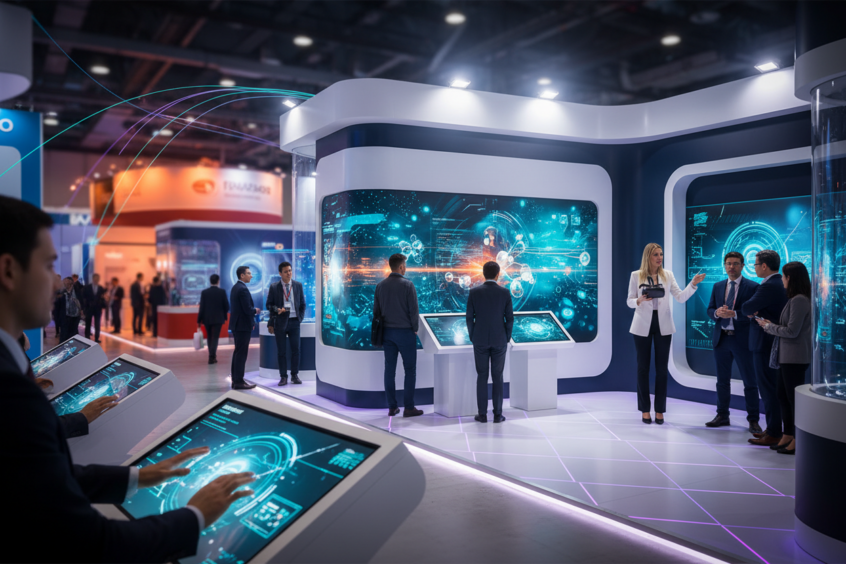
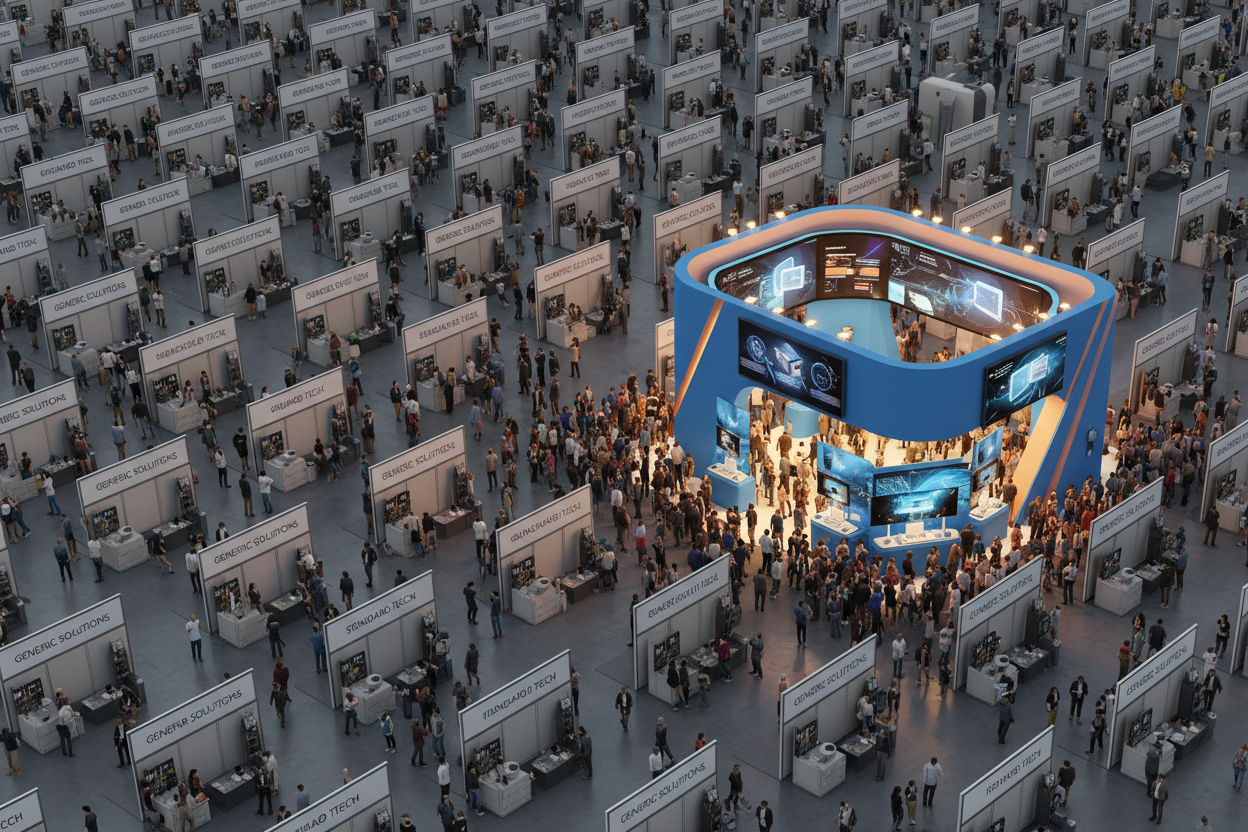
Walking through a trade show can feel like navigating a sea of sameness. Booth after booth of generic displays, promotional materials, and tired sales pitches. But every now and then, you stumble upon something different—a booth that makes you stop, look, and genuinely want to engage. That’s the power of thoughtful trade show design, and it’s what separates successful exhibitors from those who blend into the background.
In today’s competitive landscape, simply showing up with a table and some brochures isn’t enough. Attendees are bombarded with information, and their attention spans are shorter than ever. The companies that succeed are those that understand a fundamental truth: trade shows aren’t just about displaying products—they’re about creating memorable experiences that forge lasting connections.
Understanding Your Audience Before You Design
Before you sketch a single booth layout or choose a color scheme, you need to get inside the heads of your potential visitors. Who are they? What challenges keep them up at night? What solutions are they desperately seeking? This isn’t just market research—it’s empathy in action.
I’ve seen too many companies design booths that look impressive but completely miss the mark with their target audience. A sleek, minimalist design might work perfectly for a tech startup targeting millennials, but it could feel cold and uninviting to construction industry professionals who value substance over style.

Start by creating detailed attendee personas. Consider their job titles, pain points, decision-making processes, and even their trade show behavior patterns. Are they browsers who move quickly through the hall, or are they researchers who spend significant time at booths that capture their interest? Understanding these nuances will inform every design decision you make.
The Psychology of First Impressions in Trade Show Spaces
You have approximately three seconds to make an impression as someone walks past your booth. Three seconds. That’s barely enough time to read a headline, let alone process complex information about your products or services. This is where the psychology of visual design becomes crucial.
Human brains are wired to process visual information incredibly quickly. We make snap judgments about trustworthiness, professionalism, and relevance based on what we see in those first few moments. Your booth design needs to communicate your core message instantly through visual cues that resonate with your audience.
Color psychology plays a significant role here. Blue conveys trust and reliability—perfect for financial services or healthcare companies. Red creates urgency and excitement—ideal for consumer products or limited-time offers. Green suggests growth and innovation—excellent for sustainability-focused businesses. But remember, these are guidelines, not rules. The key is consistency with your brand identity and audience expectations.
Strategic Layout Design for Maximum Traffic Flow
The best booth design in the world won’t matter if people can’t easily enter, navigate, and exit your space. Think of your booth layout like choreographing a dance—every movement should feel natural and purposeful.
Open, inviting entrances are essential. Avoid creating barriers that make people feel like they’re intruding. Instead, design multiple entry points that allow for natural traffic flow. Consider the “honey pot” effect—place your most engaging elements slightly inside the booth to draw people in, rather than positioning everything at the perimeter where interactions feel more superficial.
Create distinct zones within your space for different activities. You might have a demonstration area, a quiet meeting space, and a casual conversation zone. This allows multiple interactions to happen simultaneously without interference. It also gives attendees options based on their comfort level and time availability.
Don’t forget about exit strategies. People need to feel like they can leave gracefully without awkwardness. A well-designed booth makes it easy for both brief encounters and extended conversations to conclude naturally.
Interactive Elements That Create Memorable Moments
Static displays are forgettable. Interactive experiences are memorable. The difference between showing someone a brochure and letting them experience your product firsthand is the difference between telling and selling.
Technology can be a powerful ally here, but it should never be technology for technology’s sake. Virtual reality demonstrations work brilliantly for architecture firms showing building walkthroughs or travel companies offering destination previews. Augmented reality can help manufacturing companies show internal product components that would otherwise be invisible.
But interaction doesn’t always require high-tech solutions. Sometimes the most engaging element is refreshingly analog. A coffee station where industry professionals can have genuine conversations. A hands-on product demonstration where attendees can touch, feel, and test your offerings. A collaborative workspace where visitors can sketch out solutions to their challenges.
The key is creating what I call “Instagram moments”—experiences so engaging or visually striking that people naturally want to share them. This extends your booth’s reach far beyond the trade show floor through social media amplification.
Sensory Design Beyond Visual Appeal
While visual design gets most of the attention, truly immersive experiences engage multiple senses. Sound design can create atmosphere and guide behavior. Subtle background music can make your space feel more welcoming, while strategic use of silence can create intimacy for important conversations.
Consider the tactile experience of your booth. Are surfaces inviting to touch? Do materials convey quality and attention to detail? I’ve seen companies use textured wall coverings that relate to their products—a construction company using reclaimed wood elements, or a textile manufacturer incorporating their fabrics into the booth design.
Even scent can play a role, though it should be subtle. A coffee roasting company might benefit from the aroma of fresh coffee beans, while a cleaning products manufacturer might use a light, fresh scent to reinforce their message of cleanliness and purity.
Storytelling Through Spatial Design
The most compelling booths tell a story through their design. They take visitors on a journey that mirrors the customer experience or illustrates the company’s value proposition through spatial narrative.
This might mean creating a timeline that shows your company’s evolution and innovation. Or designing a path that mirrors your customer’s journey from problem identification to solution implementation. One software company I worked with created a booth that literally walked visitors through different “rooms” representing various business challenges, with their solutions integrated naturally into each environment.
The story should be clear without being heavy-handed. Visitors should feel like they’re discovering your narrative rather than being lectured about it. This requires subtle design cues, strategic placement of information, and careful consideration of the visitor’s natural movement patterns through your space.
Brand Integration Without Overwhelming
Your booth should unmistakably represent your brand, but there’s a fine line between brand reinforcement and brand bombardment. Repeating your logo fifty times doesn’t make your booth more effective—it makes it feel desperate and cluttered.
Instead, focus on brand essence rather than brand elements. What feelings and associations do you want people to have with your company? How can your booth design reinforce these emotional connections through color, materials, lighting, and spatial arrangement?
Consider subtle brand integration through design elements that feel natural rather than forced. Use your brand colors as accents rather than overwhelming washes. Incorporate your logo strategically at key decision points rather than plastering it everywhere. Let your brand personality shine through the overall experience rather than through repetitive visual elements.
Technology Integration That Enhances Rather Than Distracts
Technology should serve your objectives, not become the objective itself. The most successful tech integration feels seamless and purposeful rather than gimmicky or attention-seeking.
Digital displays can be incredibly effective for showcasing dynamic content, but they need to be large enough and positioned properly to be seen in busy trade show environments. Interactive touchscreens work well for detailed product information, but they should supplement, not replace, human interaction.
Consider the practical aspects of technology integration. Will you have reliable power and internet connectivity? Do you have backup plans if technology fails? How will you manage and update content throughout the show? The most sophisticated tech setup is worthless if it doesn’t work reliably when attendees are present.
Measuring Success and Gathering Insights
Effective trade show design isn’t just about creating engagement—it’s about creating measurable results that justify your investment. But measuring success goes beyond counting booth visitors or collecting business cards.
Consider implementing systems to track different types of engagement. How long do visitors spend in your booth? Which areas generate the most interest? What types of conversations are happening in different zones? This data helps you refine your approach for future shows and understand which design elements are truly effective.
Post-show surveys can provide valuable insights into visitor perceptions and experiences. What did they remember most about your booth? What made them stop and engage? What would have made their experience better? This feedback is invaluable for continuous improvement.
Creating Lasting Impact Beyond the Show Floor
The best trade show experiences don’t end when the show closes. They create lasting impressions that continue to influence purchasing decisions and brand perceptions long after attendees return to their offices.
Design elements that support follow-up are crucial. This might mean creating branded takeaways that reinforce your key messages, capturing contact information in ways that feel valuable rather than intrusive, or providing digital resources that extend the booth experience online.
Consider how your booth design supports your sales team’s follow-up efforts. Did interactions provide meaningful qualification information? Are there natural conversation starters that can be referenced in post-show communications? The most effective booth designs create hooks for ongoing engagement rather than just momentary interest.
Trade show design is ultimately about human connection in an increasingly digital world. It’s about creating spaces where meaningful business relationships can begin and flourish. When you focus on understanding your audience, crafting engaging experiences, and measuring real results, your booth becomes more than just a display—it becomes a powerful business development tool that delivers measurable returns on your trade show investment.
The companies that succeed at trade shows understand that attendees aren’t just looking for products or services—they’re looking for solutions, relationships, and experiences that make their professional lives better. When your booth design facilitates these connections authentically and memorably, everyone wins.
No More BS – Get a FREE Consultation
No more BS. Let’s talk real world $#!+ about what you need. You’ll meet with our top dog, and you’ll leave with a better understanding of what you need to do, and how RyCOM might help.