

How to Grow My Business: Scaling Strategies for Sustainable Growth
Every entrepreneur dreams of watching their business flourish, but the journey from startup to scalable enterprise isn’t always straightforward. If you’ve been wondering “how can I grow my business effectively?” you’re not alone. The key lies in implementing smart scaling strategies that fuel sustainable growth rather than quick fixes that burn out fast.
Growing a business is like tending a garden – it requires patience, the right nutrients, and strategic pruning. You can’t just water it once and expect miracles. Instead, sustainable growth demands a thoughtful approach that balances ambition with practicality, ensuring your business can handle increased demand without compromising quality or burning through resources.
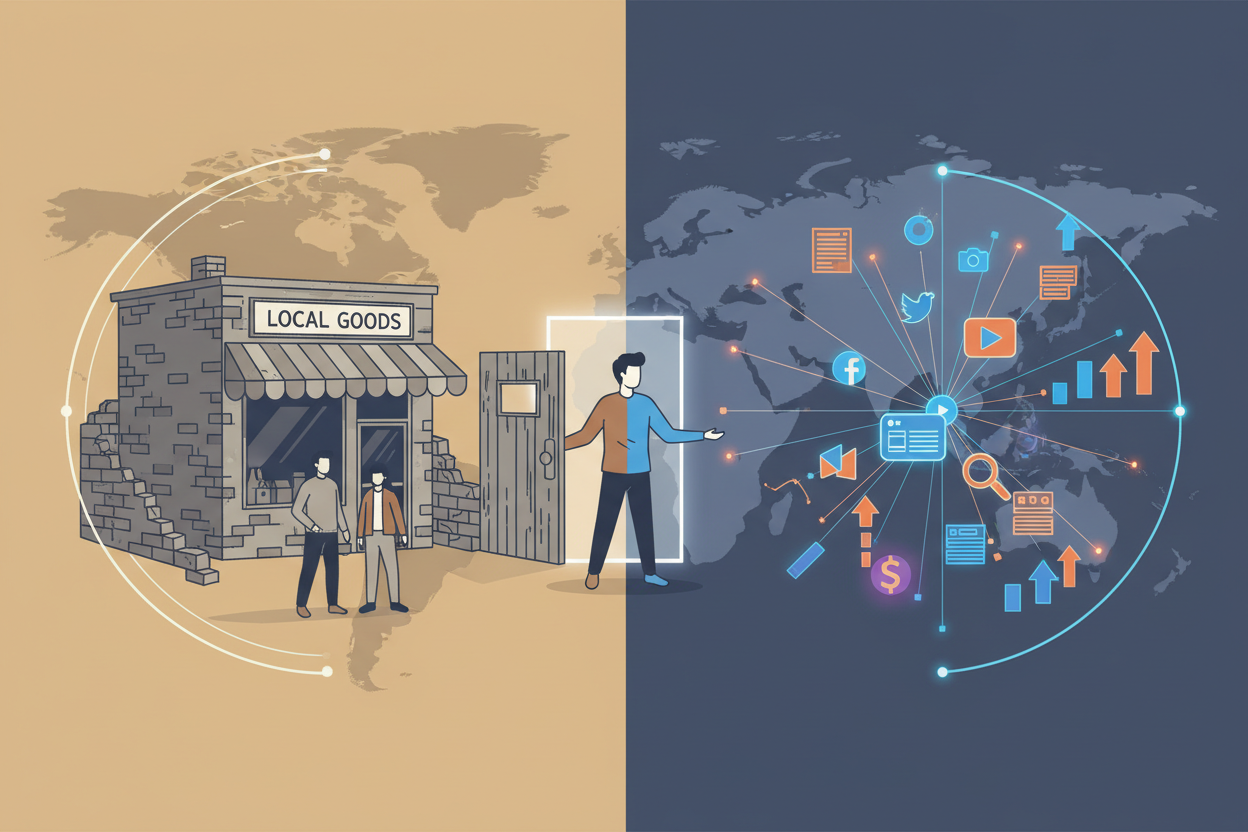
In this comprehensive guide, we’ll explore proven strategies that successful entrepreneurs use to scale their businesses sustainably. Whether you’re running a tech startup, a local service business, or an e-commerce venture, these principles will help you build a foundation for lasting growth.
Understanding the Difference Between Growth and Scaling
Before diving into specific strategies, it’s crucial to understand what sustainable growth actually means. Many business owners confuse growth with scaling, but they’re fundamentally different concepts that require distinct approaches.
Growth typically involves adding resources at the same rate as revenue increases. If you hire two new employees to handle twice as many customers, you’re growing. Scaling, however, means increasing revenue without proportionally increasing resources. This might involve automating processes, improving efficiency, or leveraging technology to handle more work with the same team.
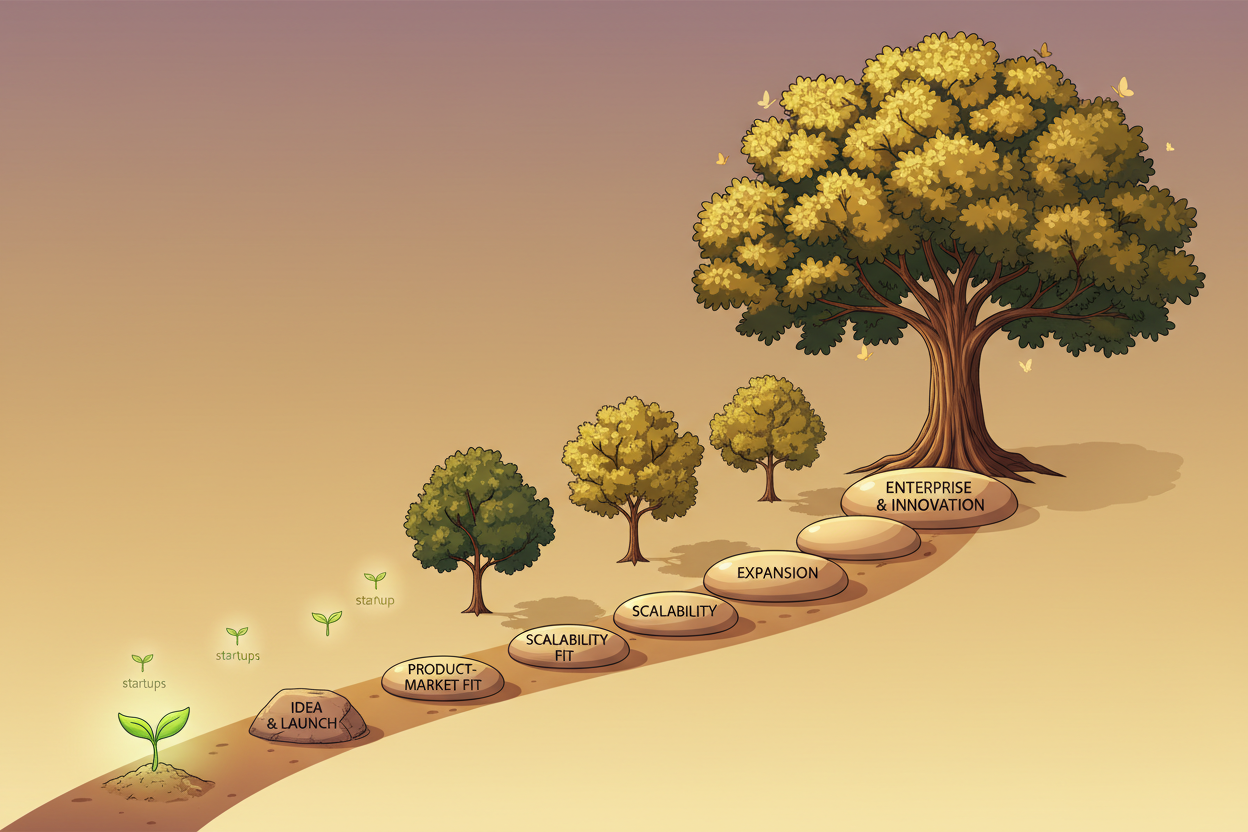
Sustainable growth combines both concepts strategically. You’re not just chasing bigger numbers – you’re building a business model that can expand efficiently while maintaining profitability and quality. This approach prevents the common pitfall of growing too fast and losing control of operations or cash flow.
Building a Solid Foundation for Growth
Think of your business foundation like the roots of a tree. The stronger and deeper they go, the taller the tree can grow without toppling over. Your business foundation includes your systems, processes, team, and financial health.
Start by documenting your core processes. When you can clearly explain how things get done in your business, you create a blueprint for training new team members and maintaining consistency as you grow. This documentation becomes invaluable when you’re ready to delegate responsibilities or bring on partners.
Your financial foundation deserves equal attention. Establish clear accounting practices, understand your cash flow patterns, and create realistic budgets for growth initiatives. Many businesses fail during growth phases not because they lack customers, but because they run out of cash while waiting for payments or investing too heavily in expansion.
Technology infrastructure is another critical component. Invest in systems that can grow with you rather than solutions you’ll outgrow in six months. Cloud-based software, scalable hosting solutions, and integrated business management tools might cost more upfront but save significant headaches later.
Leveraging Technology and Automation
In today’s business landscape, technology isn’t just helpful – it’s essential for sustainable scaling. The right technological solutions can help you serve more customers, reduce manual work, and improve accuracy across your operations.
Customer relationship management systems represent one of the most impactful investments you can make. A good CRM doesn’t just store contact information; it tracks customer interactions, automates follow-ups, and provides insights into buying patterns. This technology allows you to maintain personal relationships with customers even as your customer base grows exponentially.
Marketing automation is another game-changer for growing businesses. Instead of manually sending emails or posting on social media, automated systems can nurture leads, segment audiences, and deliver personalized content based on customer behavior. This approach lets you maintain marketing momentum without hiring a large marketing team.
Consider automating routine administrative tasks as well. Automated invoicing, appointment scheduling, and inventory management can free up significant time for strategic activities. The goal isn’t to eliminate human touch entirely, but to ensure your team focuses on high-value activities that require human creativity and judgment.
Strategic Team Building and Delegation
As your business grows, you’ll reach a point where you simply can’t do everything yourself. Strategic hiring and effective delegation become critical skills for sustainable growth. The key is knowing when to hire, what roles to prioritize, and how to maintain company culture during expansion.
Start by identifying your biggest bottlenecks. Are you spending too much time on customer service when you should be focusing on strategy? Is lack of technical expertise holding back product development? Hire to solve your most pressing constraints first, rather than adding team members in areas that are already functioning well.
When building your team, prioritize cultural fit alongside skills. Technical abilities can be taught, but someone who doesn’t align with your company values can disrupt team dynamics and customer relationships. Create clear job descriptions that include both technical requirements and cultural expectations.
Delegation requires trust and clear communication. Start by delegating smaller tasks and gradually increase responsibility as team members prove themselves. Provide clear guidelines, expected outcomes, and regular check-ins without micromanaging. Remember, the goal is to multiply your effectiveness, not create more work for yourself through constant oversight.
Expanding Your Market Reach
Sustainable growth often requires reaching new customers or markets, but expansion should be strategic rather than scattershot. The most successful businesses expand methodically, testing new markets before committing significant resources.
Geographic expansion is one common approach, especially for service-based businesses. If you’ve succeeded in your local market, similar nearby markets might offer growth opportunities. However, research local competition, regulations, and customer preferences before assuming your current model will translate directly.
Product or service expansion represents another growth avenue. Can you offer complementary services to existing customers? Are there natural extensions of your current offerings that would appeal to your target market? The key is leveraging your existing expertise and customer relationships rather than venturing into completely unfamiliar territory.
Digital marketing opens doors to markets that would be impossible to reach through traditional methods. Search engine optimization, social media marketing, and content marketing can help you connect with customers far beyond your physical location. However, digital marketing requires consistent effort and expertise, so factor in the learning curve or budget for professional help.
Financial Management for Sustainable Growth
Money management becomes increasingly complex as your business grows, but it’s also increasingly important. Poor financial management is one of the leading causes of business failure during growth phases, even for companies with strong sales.
Cash flow management deserves your constant attention. Growth often requires upfront investments in inventory, equipment, or staff before you see corresponding revenue increases. Create detailed cash flow projections that account for the timing of expenses and income, not just the amounts.
Consider diversifying your revenue streams to reduce risk and create more stable income. Multiple income sources can provide cushion during economic downturns and reduce dependence on any single customer or market segment. However, ensure each revenue stream aligns with your core competencies and doesn’t dilute your focus.
Reinvestment decisions require careful balance. While it’s tempting to reinvest every dollar back into growth, maintaining some cash reserves protects against unexpected challenges. A good rule of thumb is to keep enough cash on hand to cover three to six months of operating expenses, though this varies by industry and business model.
Measuring and Monitoring Growth Progress
You can’t manage what you don’t measure, and this principle becomes even more critical during growth phases. Establishing key performance indicators and regular monitoring systems helps ensure your growth strategies are actually working.
Revenue metrics are obvious starting points, but dig deeper into leading indicators that predict future performance. Customer acquisition costs, lifetime value, conversion rates, and customer satisfaction scores often provide earlier signals about business health than revenue alone.
Operational metrics matter just as much as financial ones. Are you maintaining quality standards as volume increases? Is customer service response time suffering? Are employee satisfaction levels declining? These operational indicators often predict future problems before they impact revenue.
Regular review cycles help you stay on track and adjust strategies when needed. Monthly financial reviews, quarterly strategic assessments, and annual planning sessions create structure for monitoring progress and making informed decisions. Don’t wait for annual reviews to address problems – monthly check-ins allow for course corrections before small issues become major obstacles.
Conclusion
Growing a business sustainably requires patience, planning, and strategic thinking. It’s not about growing as fast as possible, but about building systems and processes that support long-term success. The strategies outlined here – from building solid foundations to leveraging technology and managing finances carefully – provide a roadmap for sustainable expansion.
Remember that every business is unique, and what works for one company might not work for another. The key is to understand these principles and adapt them to your specific situation, industry, and goals. Start with small experiments, measure results carefully, and scale up the strategies that prove effective for your business.
Sustainable growth isn’t just about reaching your destination – it’s about building a business that can thrive for years to come. By focusing on solid foundations, strategic expansion, and careful measurement, you’ll be well-positioned to achieve the kind of growth that creates lasting value for customers, employees, and stakeholders alike.
No More BS – Get a FREE Consultation
No more BS. Let’s talk real world $#!+ about what you need. You’ll meet with our top dog, and you’ll leave with a better understanding of what you need to do, and how RyCOM might help.