

Blog Writing Services: How to Ensure Consistent Quality Content
In today’s digital landscape, content is king – but not just any content. Quality, consistent blog posts that engage readers and drive traffic are what separate successful businesses from the rest. Whether you’re managing an in-house content team or working with external blog writing services, maintaining consistent quality across all your content can feel like trying to herd cats. One day you receive a brilliant piece that perfectly captures your brand voice, and the next, you’re staring at something that reads like it was written by a robot having a bad day.
The challenge isn’t just about finding good writers – it’s about creating systems and processes that ensure every piece of content meets your standards, regardless of who’s behind the keyboard. After working with dozens of content teams and managing thousands of blog posts over the years, I’ve learned that consistency isn’t magic; it’s methodology.
Understanding the Foundation of Quality Blog Content
Before diving into the how-to’s, let’s establish what quality blog content actually means in today’s competitive digital environment. Quality content isn’t just well-written prose – though that’s certainly part of it. It’s content that serves a specific purpose, speaks directly to your target audience, and aligns perfectly with your brand’s voice and values.
Quality blog content typically exhibits several key characteristics: it provides genuine value to readers, whether through education, entertainment, or problem-solving. It’s well-researched and factually accurate, demonstrating expertise in the subject matter. The writing flows naturally, with varied sentence structures that keep readers engaged rather than lulling them to sleep. Most importantly, it feels authentically human, not like it was churned out by an algorithm.
When you’re working with blog writing services, these standards become even more critical because you’re entrusting your brand’s voice to external writers who may not initially understand your industry nuances or audience preferences. The goal is to create content that feels like it came directly from your team, even when it didn’t.

Establishing Clear Content Guidelines and Brand Standards
The cornerstone of consistent quality content lies in comprehensive guidelines that leave nothing to interpretation. Think of these guidelines as your content bible – a document that transforms subjective preferences into objective standards that any writer can follow.
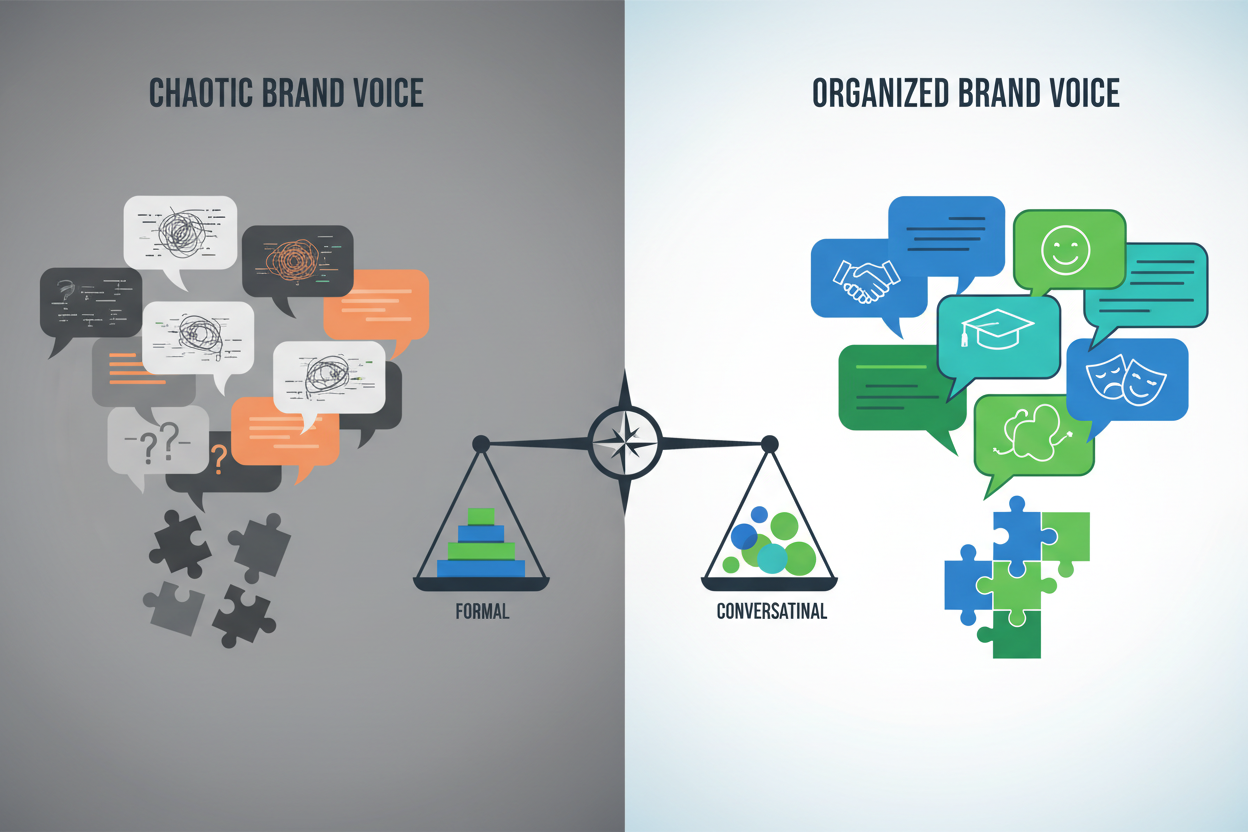
Your content guidelines should start with your brand voice and tone. Are you conversational or formal? Do you use humor, and if so, what kind? How technical should your language be? Include specific examples of what works and what doesn’t. I’ve seen too many businesses provide vague instructions like “be professional but approachable” without explaining what that actually means in practice.
Beyond voice and tone, establish clear formatting standards. Specify your preferred heading structure, paragraph length, and how you want writers to incorporate keywords naturally. Include guidelines for research requirements – how many sources should writers cite? What types of sources are acceptable? Do you prefer recent studies over older ones?
Don’t forget the technical aspects either. Outline your SEO requirements, including target keyword density, meta description length, and internal linking strategies. The more specific you are upfront, the less back-and-forth you’ll have during the revision process.
Implementing Robust Quality Control Processes
Even with perfect guidelines, quality control processes are your safety net. These processes should catch issues before they reach your audience and provide valuable feedback to improve future content.
Start with a multi-stage review process. The first stage should focus on content quality – does the piece provide value, is it well-structured, and does it meet your guidelines? The second stage should examine technical elements like SEO optimization, fact-checking, and formatting. Having different people handle different aspects of review often yields better results than having one person try to catch everything.
Create detailed feedback templates that help reviewers provide constructive, actionable comments. Instead of “this doesn’t sound right,” encourage feedback like “this section needs more specific examples to support the main point.” This approach helps writers understand exactly what needs improvement and how to fix it.
Consider implementing a scoring system for different content elements – research quality, writing clarity, SEO optimization, and brand alignment. This quantitative approach makes it easier to track improvement over time and identify which writers consistently meet your standards.
Building Strong Communication Channels with Writers
Quality content emerges from quality relationships. When writers understand not just what you want, but why you want it, they’re far more likely to deliver content that exceeds your expectations.
Establish regular check-ins with your writing team, whether they’re internal employees or external service providers. These shouldn’t just be status updates – use them to discuss industry trends, audience feedback, and content performance. When writers understand how their work impacts your business goals, they become invested in your success.
Create channels for ongoing feedback and questions. Sometimes a writer might be unsure about how to approach a particular topic or angle. Having an easy way to get clarification prevents guesswork and reduces the likelihood of content that misses the mark.
Share performance data with your writers. When they see which pieces perform well and which don’t, they can adjust their approach accordingly. This data-driven feedback is often more valuable than subjective editorial comments because it shows real-world results.
Leveraging Technology for Consistency and Efficiency
While human creativity and judgment remain irreplaceable, technology can significantly streamline your quality control processes and help maintain consistency across large volumes of content.
Content management platforms with built-in review workflows can standardize your approval process and ensure nothing falls through the cracks. These systems can automatically route content through different review stages and maintain a complete audit trail of changes and feedback.
Grammar and style checking tools can catch basic errors and inconsistencies, freeing up human reviewers to focus on higher-level content issues. However, remember that these tools are supplements, not replacements, for human judgment. They might catch a misplaced comma but miss when a piece completely misses your target audience’s needs.
Consider using content scoring tools that evaluate readability, SEO optimization, and other technical factors. These can provide objective benchmarks and help identify areas where writers might need additional training or support.
Training and Development for Continuous Improvement
Consistent quality isn’t a destination – it’s an ongoing journey that requires continuous investment in your writing team’s development. Even experienced writers can benefit from training that helps them better understand your specific requirements and industry nuances.
Develop training materials that go beyond your initial guidelines. Create case studies showing how successful pieces were developed, including the research process, outline development, and revision stages. This behind-the-scenes look helps writers understand your expectations at a deeper level.
Provide regular feedback sessions that focus on improvement rather than criticism. Highlight what writers are doing well and provide specific suggestions for enhancement. When writers feel supported rather than criticized, they’re more likely to take risks and produce innovative content.
Stay updated on industry best practices and share relevant insights with your team. The content marketing landscape evolves rapidly, and what worked last year might not be as effective today. Regular training ensures your entire team stays current with the latest trends and techniques.
Measuring and Monitoring Content Performance
You can’t improve what you don’t measure. Establishing clear metrics for content quality and performance provides the data you need to make informed decisions about your content strategy and identify areas for improvement.
Track both quantitative and qualitative metrics. Quantitative measures might include page views, time on page, social shares, and conversion rates. Qualitative measures could include reader comments, feedback surveys, and brand sentiment analysis. Both types of data provide valuable insights into content effectiveness.
Create regular reporting processes that help you identify patterns and trends. Are certain types of content consistently performing better? Do specific writers tend to produce higher-converting pieces? This analysis can inform future content planning and writer assignments.
Don’t forget to measure the efficiency of your quality control processes themselves. How long does content take to move through your review pipeline? What percentage of pieces require significant revisions? These operational metrics can help you optimize your workflows and reduce time-to-publication.
Conclusion: Building a Sustainable Content Quality System
Ensuring consistent quality content through blog writing services isn’t about finding perfect writers – it’s about creating systems that help good writers produce great work consistently. The investment you make in developing comprehensive guidelines, robust review processes, and strong communication channels will pay dividends in the form of content that truly serves your audience and supports your business goals.
Remember that building these systems takes time and patience. You might not see immediate results, but as your processes mature and your team becomes more aligned with your standards, you’ll notice a marked improvement in both content quality and production efficiency. The key is to remain committed to continuous improvement while maintaining the flexibility to adapt as your needs evolve.
Quality content is one of the most valuable investments you can make in your digital marketing strategy. By implementing these strategies and maintaining a focus on systematic improvement, you’ll be well-positioned to consistently deliver content that engages your audience, builds your brand authority, and drives meaningful business results.
No More BS – Get a FREE Consultation
No more BS. Let’s talk real world $#!+ about what you need. You’ll meet with our top dog, and you’ll leave with a better understanding of what you need to do, and how RyCOM might help.