

Brochure Design: Communicating Your Brand’s Value
In the digital age, where social media and online marketing reign supreme, the humble brochure might seem like a relic from the past. However, brochures remain a powerful tool for businesses looking to communicate their brand’s value effectively. A well-designed brochure can convey professionalism, credibility, and the essence of your brand, all while engaging potential customers in a tangible way. In this blog post, we will explore the key elements of brochure design that can help your brand stand out and make a lasting impression.
The Importance of Brochure Design
Brochures are more than just pieces of paper with information; they are a reflection of your brand’s identity. When done right, they can captivate an audience, deliver key messages, and encourage action. But why exactly is brochure design so important for communicating your brand’s value?
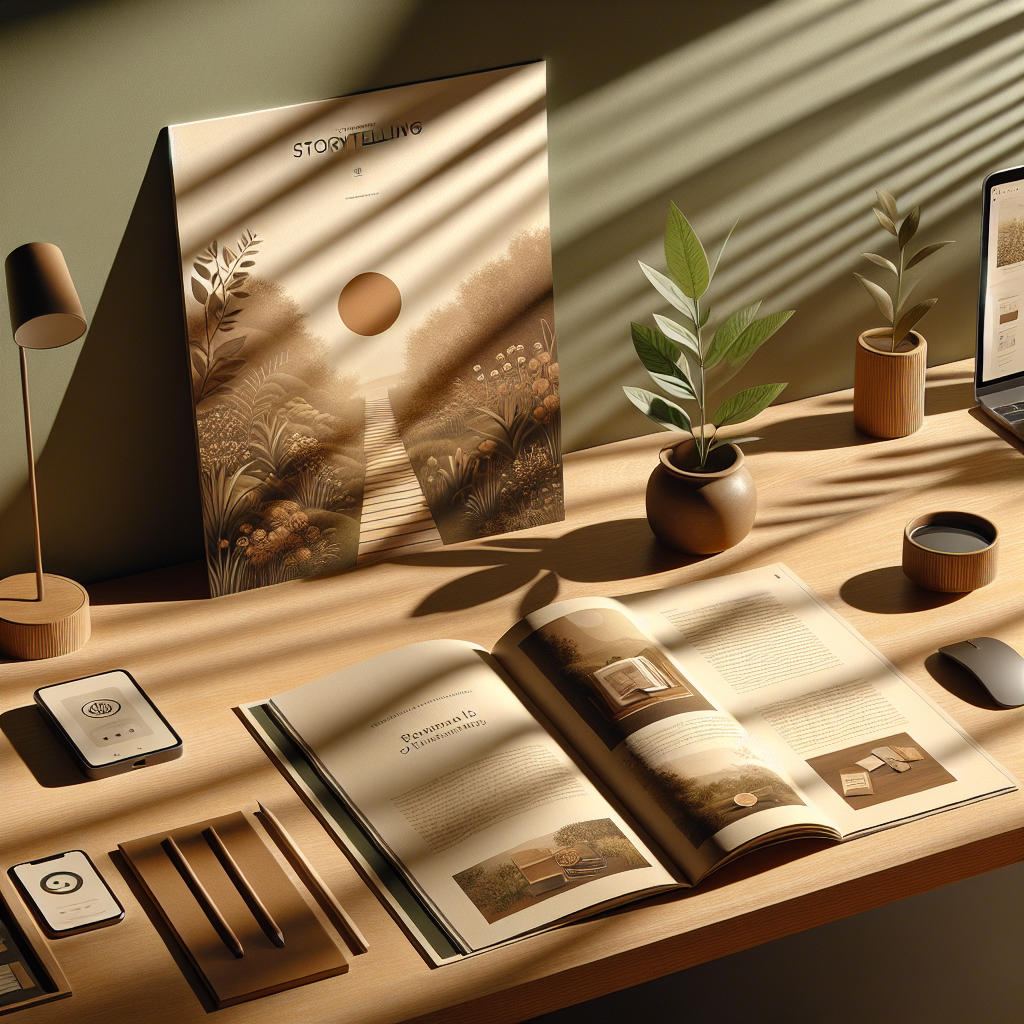
Firstly, brochures offer a physical touchpoint for customers. In an era dominated by digital noise, a beautifully crafted brochure can cut through the clutter and provide a tactile experience that digital marketing often lacks. Additionally, brochures allow for detailed storytelling, giving you the space to highlight your products, services, and brand ethos in a concise yet comprehensive manner.
Understanding Your Brand’s Core Values
Before diving into the design process, it’s crucial to have a clear understanding of your brand’s core values. What sets your brand apart? What promises do you make to your customers? Answering these questions will form the foundation of your brochure’s messaging.

Take time to articulate your brand’s mission, vision, and values. These elements should be woven into the fabric of your brochure, ensuring that every word and image aligns with your overall brand identity. Consistency in messaging not only builds trust but also reinforces your brand’s unique value proposition.
Essential Elements of Effective Brochure Design
Creating a compelling brochure involves more than just eye-catching graphics and clever copy. Here are some essential elements to consider:
1. Striking Visual Design
The first impression is crucial. A striking visual design will grab the reader’s attention and entice them to explore further. Use high-quality images, a harmonious color palette, and a clean layout to create a visually appealing brochure. Remember, less is often more—avoid clutter and focus on a streamlined design that guides the reader’s eye naturally.
2. Clear and Compelling Copy
Your brochure’s copy should be concise, persuasive, and aligned with your brand’s voice. Use headlines to highlight key points and break up text with subheadings for easy readability. Every sentence should serve a purpose, driving home your brand’s value and prompting the reader to take action—whether it’s visiting your website, calling your office, or making a purchase.
3. Strong Call to Action (CTA)
Every effective brochure includes a strong call to action. What do you want your reader to do after engaging with your brochure? Make sure your CTA is clear, prominent, and compelling. Whether it’s “Contact us today” or “Visit our website for more information,” ensure it’s easy for the reader to follow through.
4. Consistent Branding
Your brochure should be a seamless extension of your brand. Use your brand’s logo, colors, and fonts consistently to reinforce your identity. This not only builds brand recognition but also ensures a cohesive look across all your marketing materials.
Tailoring Brochures to Your Audience
Understanding your target audience is key to crafting a brochure that resonates. Different audiences require different approaches, so it’s important to tailor your brochure’s content and design to meet their specific needs and preferences.
Consider factors such as age, interests, and purchasing behavior when designing your brochure. Personalization can significantly enhance the effectiveness of your marketing efforts, making your brand more relatable and engaging to your audience.
Utilizing Brochures in Your Marketing Strategy
Brochures should not exist in isolation; they should be an integral part of your overall marketing strategy. Here’s how you can effectively incorporate them into your campaigns:
1. Trade Shows and Events
Brochures are ideal for distribution at trade shows and events, where potential customers are actively seeking information. A well-designed brochure can leave a lasting impression long after the event has ended.
2. Direct Mail Campaigns
Incorporating brochures into direct mail campaigns can enhance their impact. A tangible piece of marketing material can often achieve what a digital advertisement cannot, by creating a personal connection with the recipient.
3. Point of Sale Displays
Brochures can be strategically placed at points of sale to provide additional information about products or services. This can help convert undecided customers into buyers.
Conclusion
Brochure design is an art that combines creativity, strategy, and an in-depth understanding of your brand’s values. When executed effectively, brochures can be a powerful component of your marketing toolkit, enhancing your brand’s visibility and reinforcing its value proposition. By focusing on striking visuals, compelling copy, and a strong call to action, your brochures can capture attention, engage your audience, and drive meaningful interactions with your brand.
Remember, in a world where digital dominates, a well-crafted brochure can be the difference between being remembered and being forgotten. So, take the time to design brochures that truly communicate your brand’s value and watch as they open doors to new opportunities.
No More BS – Get a FREE Consultation
No more BS. Let’s talk real world $#!+ about what you need. You’ll meet with our top dog, and you’ll leave with a better understanding of what you need to do, and how RyCOM might help.