

Business Card Design Tips for Making a Lasting Impression
In today’s digital age, where LinkedIn profiles and email introductions are prevalent, the humble business card still holds its ground. A well-designed business card can be a powerful tool for making a lasting impression and building professional relationships. Whether you’re a seasoned entrepreneur or a budding freelancer, your business card is an extension of your brand. Let’s dive into some essential design tips to ensure your business card stands out and leaves a memorable mark.
1. Understand Your Brand Identity
Before even beginning the design process, it’s crucial to have a clear understanding of your brand. What does your brand stand for? What message do you want to convey through your business card? Whether your brand is professional and traditional or modern and edgy, your business card should reflect these attributes. Consistency in branding across all platforms, including your business card, reinforces your brand identity and builds trust with your audience.
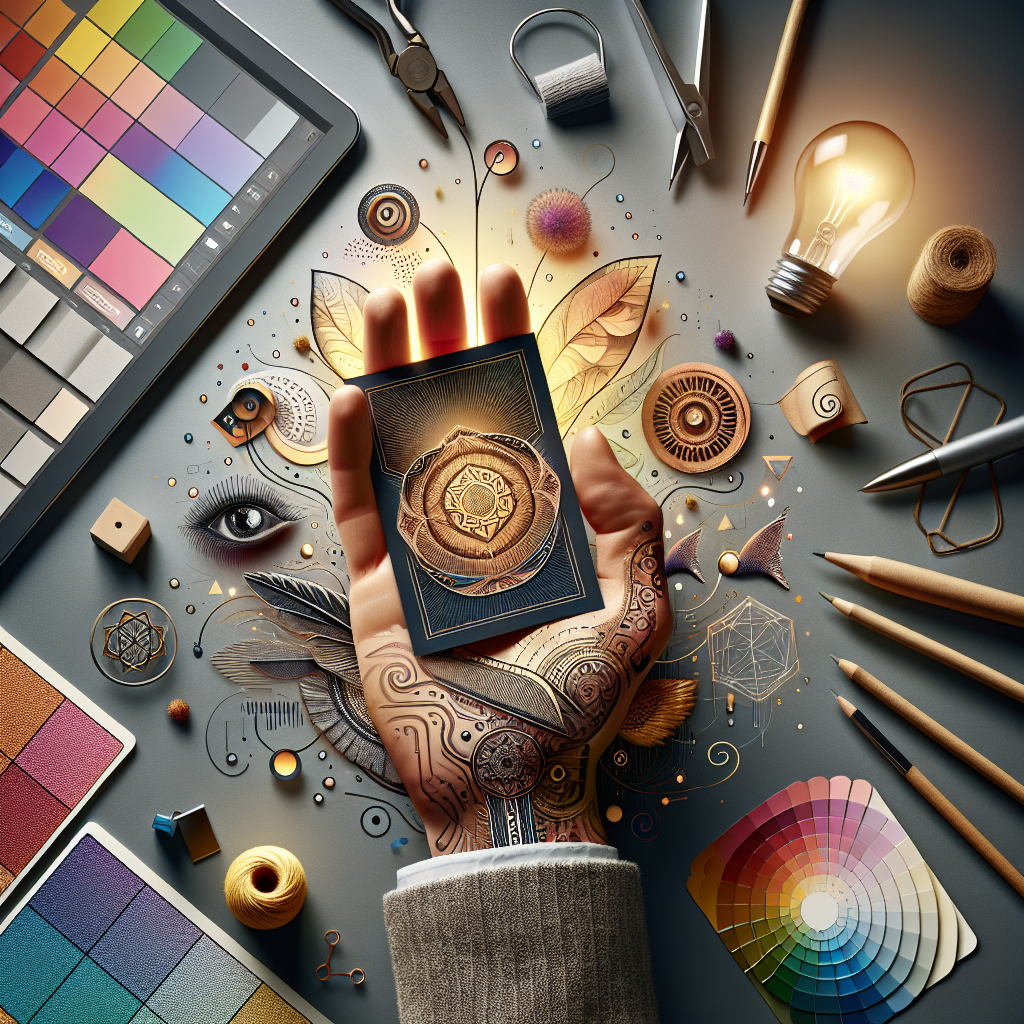
2. Keep It Simple and Readable
When it comes to business card design, less is often more. Avoid clutter by focusing on essential information such as your name, job title, company name, phone number, email address, and website. Choose a clean and simple layout that allows the text to stand out. Avoid using too many fonts; instead, stick to one or two that are easy to read and align with your brand style.

3. Choose the Right Color Scheme
Color plays a significant role in evoking emotions and conveying messages. Select a color scheme that resonates with your brand identity. For instance, blue often represents trust and professionalism, while green can signify growth and sustainability. Ensure that the colors you choose are harmonious and complement each other. Additionally, consider the contrast between the text color and the background to maintain readability.
4. Incorporate High-Quality Materials
The tactile experience of a business card can leave a lasting impression. Choosing high-quality materials like thick cardstock or textured paper adds a touch of elegance and professionalism. You might also consider special finishes such as embossing, foil stamping, or spot UV to give your card a distinctive and premium feel. Remember, the quality of your business card reflects the quality of your business.
5. Utilize Creative Shapes and Sizes
While the standard business card size (3.5 x 2 inches) is widely used, don’t be afraid to think outside the box. Unique shapes and sizes can make your card stand out in a stack. Whether it’s a square card or a rounded edge, ensure that the design choice aligns with your brand and remains practical for storage in wallets or cardholders.
6. Integrate Your Brand Logo
Your logo is a visual representation of your brand and should be prominently displayed on your business card. It helps in brand recognition and reinforces brand identity. Ensure your logo is of high resolution and is placed strategically on the card, either at the top or in a corner, without overshadowing other essential information.
7. Add a Call to Action
While a business card’s primary function is to provide contact information, adding a call to action (CTA) can encourage further engagement. Whether it’s directing the recipient to your website for a special offer or inviting them to connect on social media, a CTA can be a subtle yet effective way to foster continued interaction.
8. Pay Attention to Typography
Typography can make or break your business card design. Choose fonts that are both aesthetically pleasing and legible. Avoid overly decorative fonts that may compromise readability. Play with font sizes to create a hierarchy of information, making it easier for the recipient to digest the details at a glance.
9. Test Your Design
Before printing a large batch of business cards, it’s advisable to print a few test copies. This allows you to check the color accuracy, material quality, and overall layout. Hold the card in your hand and evaluate the feel; make sure it aligns with your expectations and brand image. It’s always better to catch any errors or design flaws at this stage rather than after mass production.
10. Include Social Media Handles
In today’s interconnected world, including your social media handles can be an effective way to expand your network and showcase your work. Ensure that the platforms you choose to highlight are relevant to your industry and actively maintained. This not only broadens your reach but also provides another layer of engagement with potential clients or collaborators.
Conclusion
Designing a business card that makes a lasting impression involves a blend of creativity, strategic thinking, and attention to detail. By understanding your brand identity, choosing the right materials, and integrating thoughtful design elements, you can create a business card that not only represents your brand but also leaves a memorable mark on those who receive it. Remember, your business card is often the first impression someone will have of your business, so make it count!
No More BS – Get a FREE Consultation
No more BS. Let’s talk real world $#!+ about what you need. You’ll meet with our top dog, and you’ll leave with a better understanding of what you need to do, and how RyCOM might help.