
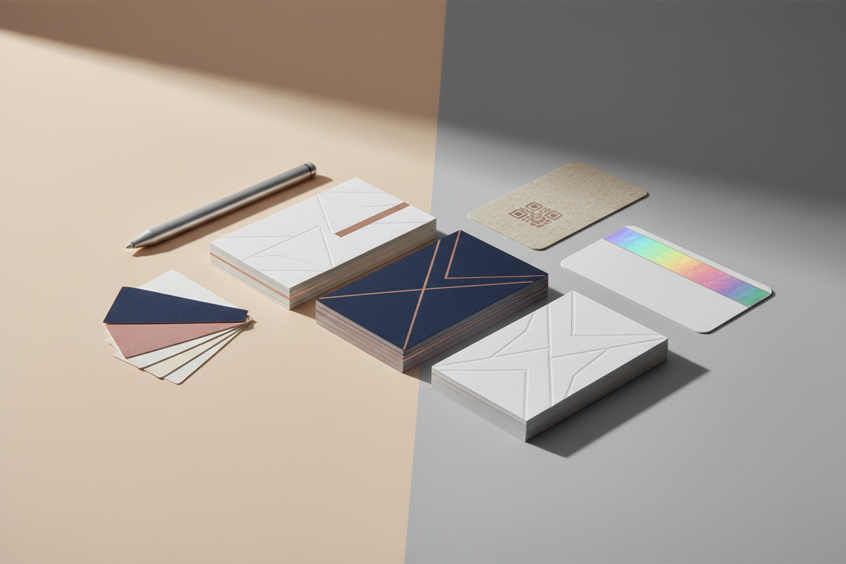
Custom Business Cards: Design Trends for 2024
In an increasingly digital world, you might think business cards have become obsolete. Yet, these small pieces of branded real estate continue to hold remarkable power in professional networking. As we navigate through 2024, custom business cards are experiencing a renaissance, with innovative design trends that blend traditional craftsmanship with cutting-edge technology. The right business card doesn’t just share your contact information—it tells your story, reflects your brand personality, and creates lasting impressions that digital exchanges simply cannot match.
This year’s business card trends reflect our collective desire for authenticity, sustainability, and memorable experiences. Whether you’re a startup founder looking to make your mark or an established professional refreshing your brand image, understanding these design movements will help you create business cards that truly stand out in a crowded marketplace.
Sustainable Materials Take Center Stage
Environmental consciousness has moved from trend to necessity, and business card design is no exception. In 2024, professionals are increasingly choosing eco-friendly materials that align with their values while making powerful statements about their commitment to sustainability.
Recycled paper stocks have evolved far beyond basic brown cardboard. Today’s recycled options include beautiful cotton blends, hemp-based papers, and even innovative materials made from agricultural waste. These sustainable choices often feature unique textures and subtle variations that add character to your design while demonstrating environmental responsibility.
Seed paper business cards represent perhaps the most innovative approach to sustainable networking. These plantable cards contain embedded flower or herb seeds, allowing recipients to literally grow something beautiful from your business introduction. While not suitable for every industry, they create unforgettable experiences for businesses in wellness, landscaping, or environmental sectors.

Wood veneer business cards continue gaining popularity, offering natural beauty with sustainable sourcing. Bamboo, in particular, provides an excellent eco-friendly option that’s both durable and visually striking. The natural grain patterns ensure each card is unique, much like your business relationships.
Minimalist Design Philosophy Dominates
The minimalist movement has reached full maturity in business card design, with 2024 seeing refined approaches that prioritize clarity, elegance, and purposeful white space. This trend reflects our collective fatigue with information overload and desire for clean, digestible communication.
Contemporary minimalist business cards focus on essential information only—name, title, company, and one or two key contact methods. This restraint forces designers to make every element count, resulting in cards that feel sophisticated and intentional. The challenge lies in creating visual interest without cluttering the design.
Typography plays a crucial role in minimalist designs. Clean, modern fonts like Helvetica, Futura, and custom sans-serif typefaces dominate this space. Designers are experimenting with font weights and sizes to create hierarchy and visual interest without adding decorative elements.
Color palettes in minimalist designs tend toward monochromatic schemes or subtle two-color combinations. Black and white remains classic, but we’re seeing increased use of single accent colors—perhaps a muted blue or warm gray—to add personality without overwhelming the design.
Bold Typography Makes a Statement
While minimalism dominates one end of the spectrum, bold typography trends are making equally strong statements in 2024. This approach treats text as both information and art, using letterforms as primary design elements.
Oversized names or company titles serve as focal points, sometimes spanning the entire card face. This technique works particularly well for personal brands where the individual’s name carries significant weight. The key is balancing scale with readability—bold doesn’t mean illegible.
Custom lettering and hand-drawn typography add personality and uniqueness to business cards. While digital fonts offer consistency, custom letterforms create distinctive brand assets that cannot be replicated. This approach requires more design investment but delivers unmatched originality.
Mixed typography styles—combining serif and sans-serif fonts or pairing script with modern typefaces—create dynamic contrast and visual hierarchy. The trick is maintaining coherence while achieving variety, ensuring the different fonts complement rather than compete with each other.
Interactive and Tech-Enabled Features
Technology integration in business cards has evolved beyond simple QR codes, though these remain popular and practical. In 2024, we’re seeing sophisticated approaches that blend physical and digital experiences seamlessly.
NFC (Near Field Communication) technology allows recipients to tap cards with their smartphones to instantly access digital portfolios, websites, or contact information. This technology eliminates the need for manual data entry while providing rich, multimedia experiences that traditional cards cannot offer.
Augmented reality features transform static cards into interactive experiences. When viewed through smartphone cameras, these cards can display videos, 3D models, or additional information layers. While still emerging, AR business cards create memorable experiences for tech-savvy industries.
QR codes have become more sophisticated and aesthetically pleasing. Modern QR implementations integrate seamlessly into designs, often incorporating brand colors or artistic elements. They can link to digital business cards, portfolio websites, or even personalized video introductions.
Smart business cards with embedded displays represent the cutting edge of this trend. These cards feature small screens that can cycle through different information or images, though cost and complexity currently limit their adoption to specific high-tech industries.
Unique Shapes and Die-Cut Designs
Standard rectangular business cards serve their purpose, but 2024 trends embrace creative shapes that reflect brand personalities and industry contexts. These custom shapes create immediate visual impact and improve memorability.
Rounded corners have become increasingly popular, softening the traditional business card aesthetic while maintaining professional appeal. This subtle modification works across industries and adds a modern, approachable feel to any design.
Industry-specific shapes create immediate context and conversation starters. Real estate professionals might choose house-shaped cards, while restaurants could opt for circular designs resembling plates. The key is ensuring the shape enhances rather than overshadows the essential information.
Folded business cards offer additional real estate for information while maintaining standard storage compatibility. Bi-fold and tri-fold designs allow for expanded content, multiple languages, or creative reveal elements that engage recipients.
Die-cut windows and perforations add interactive elements without requiring technology. These physical features create tactile experiences and visual interest while maintaining the card’s fundamental functionality.
Textural Elements and Tactile Experiences
In our increasingly digital world, tactile experiences have gained significant value. Business cards that feel distinctive create stronger sensory memories and demonstrate attention to quality and detail.
Embossed and debossed elements add dimension to business card designs. These raised or recessed features create subtle shadows and highlights while providing satisfying tactile feedback. Embossing works particularly well for logos, names, or key design elements.
Foil stamping continues evolving with new metallic finishes and application techniques. While gold and silver remain classic choices, copper, rose gold, and iridescent foils offer contemporary alternatives. Matte foils provide subtle elegance, while holographic options create eye-catching effects.
Spot UV coating creates selective gloss effects that highlight specific design elements. This technique adds visual and tactile contrast between glossy and matte areas, creating sophisticated layered effects without additional colors or materials.
Unique paper textures—from linen and felt finishes to more exotic options like leather grain or canvas textures—provide immediate tactile distinction. These specialty papers often cost more but create premium impressions that justify the investment for luxury brands or high-end services.
Color Trends and Palette Choices
Color psychology plays a crucial role in business card effectiveness, and 2024 trends reflect both timeless principles and contemporary preferences. Understanding current color movements helps ensure your cards feel fresh and relevant.
Earth tones have gained significant popularity, reflecting our collective desire for authenticity and natural connection. Warm browns, sage greens, and terracotta oranges create approachable, grounded impressions that work well for wellness, consulting, and creative industries.
Monochromatic color schemes offer sophisticated simplicity. These single-color approaches use various tints, shades, and tones of one hue to create depth and interest. Monochromatic designs feel cohesive and professional while allowing for creative exploration within defined parameters.
Bold accent colors paired with neutral bases create dynamic contrast without overwhelming recipients. This approach allows brands to incorporate signature colors while maintaining professional appeal. The key is choosing accent colors that align with brand personality and industry expectations.
Gradient effects have returned in subtle, sophisticated applications. Unlike the dramatic gradients of previous decades, 2024 trends favor gentle color transitions that add depth and visual interest without dominating the design.
Industry-Specific Design Considerations
Different industries have unique networking cultures and professional expectations that influence business card design choices. Understanding these nuances helps ensure your cards resonate with your specific audience.
Creative industries—graphic design, advertising, photography—often embrace experimental approaches that showcase artistic capabilities. These cards might feature unusual materials, bold colors, or innovative printing techniques that demonstrate creative problem-solving skills.
Financial and legal professionals typically prefer conservative approaches that emphasize trust, stability, and competence. Clean layouts, traditional colors, and high-quality materials convey professionalism and reliability that clients expect from these service providers.
Technology companies often incorporate modern design elements that reflect innovation and forward thinking. Clean lines, contemporary typography, and subtle tech-inspired details create appropriate impressions without alienating non-technical contacts.
Healthcare and wellness professionals benefit from designs that convey care, compassion, and trustworthiness. Soft colors, gentle curves, and natural materials often work well in these contexts, creating calming impressions that align with healing-focused missions.
Conclusion
As we progress through 2024, business card design continues evolving to meet changing professional needs and aesthetic preferences. The most successful approaches balance innovation with functionality, ensuring that creative elements enhance rather than obscure essential communication purposes.
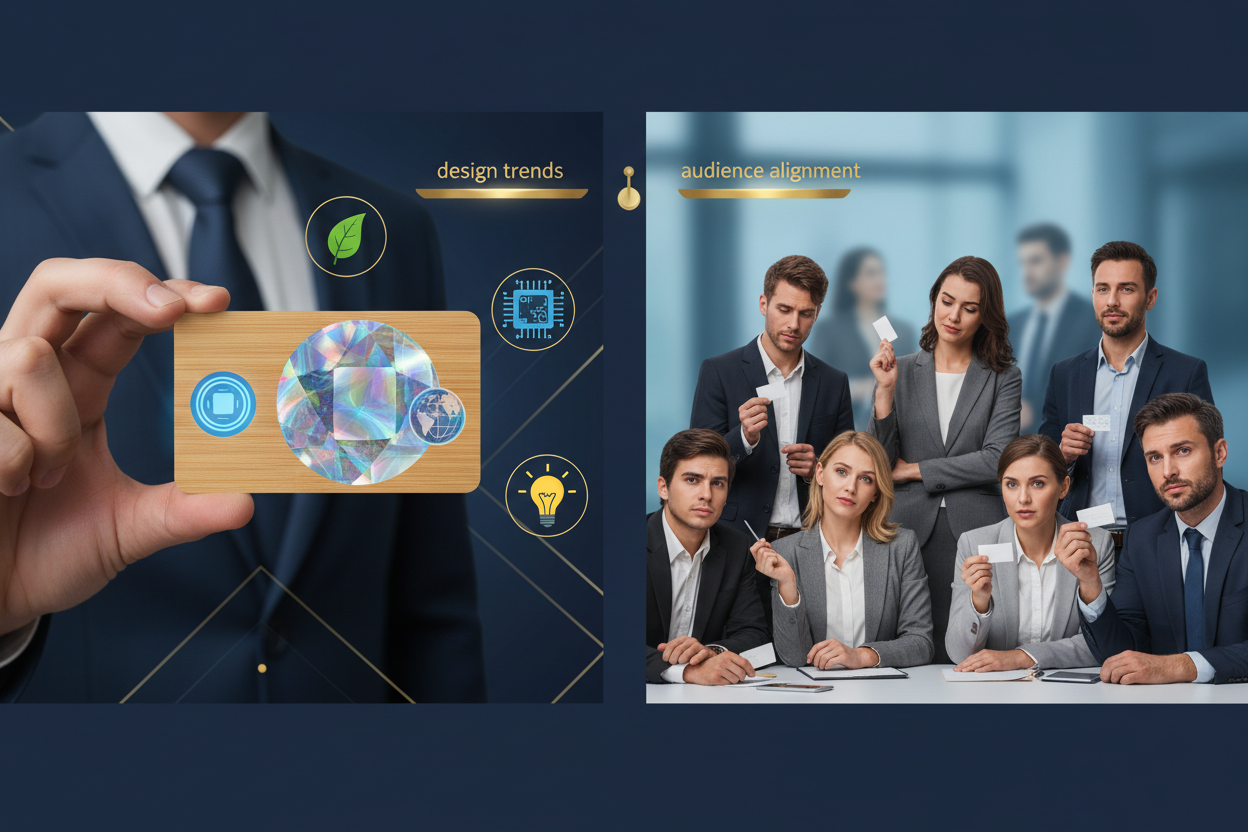
The trends we’ve explored—from sustainable materials to interactive technology—offer numerous opportunities to create distinctive, memorable business cards. However, the best design choices align with your brand personality, industry context, and target audience expectations. A beautifully designed card that doesn’t resonate with your professional community may impress designers but fail to achieve networking objectives.
Consider these trends as inspiration rather than requirements. The most effective business cards often combine multiple trend elements in unique ways that reflect individual brand stories. Whether you choose minimalist elegance, bold typography, sustainable materials, or tech-enabled features, ensure your final design authentically represents your professional identity.
Remember that business cards remain powerful networking tools precisely because they offer tangible, personal connection points in our digital age. By thoughtfully incorporating 2024’s design trends while staying true to your brand essence, you can create business cards that not only look contemporary but also forge meaningful professional relationships that drive business success.
No More BS – Get a FREE Consultation
No more BS. Let’s talk real world $#!+ about what you need. You’ll meet with our top dog, and you’ll leave with a better understanding of what you need to do, and how RyCOM might help.