

Digital Branding: Creating a Consistent Online Persona That Actually Works
Your digital brand isn’t just a logo slapped on your website anymore. It’s the entire experience someone has when they encounter you online, whether that’s through your LinkedIn profile, Instagram stories, or that comment you left on someone’s blog post three months ago. In today’s hyperconnected world, your online persona can make or break opportunities before you even know they existed.
Think about it this way: when someone Googles your name, what story does the internet tell about you? Is it coherent, professional, and aligned with your goals? Or is it a scattered collection of random posts, outdated information, and conflicting messages that leave people scratching their heads about who you really are?
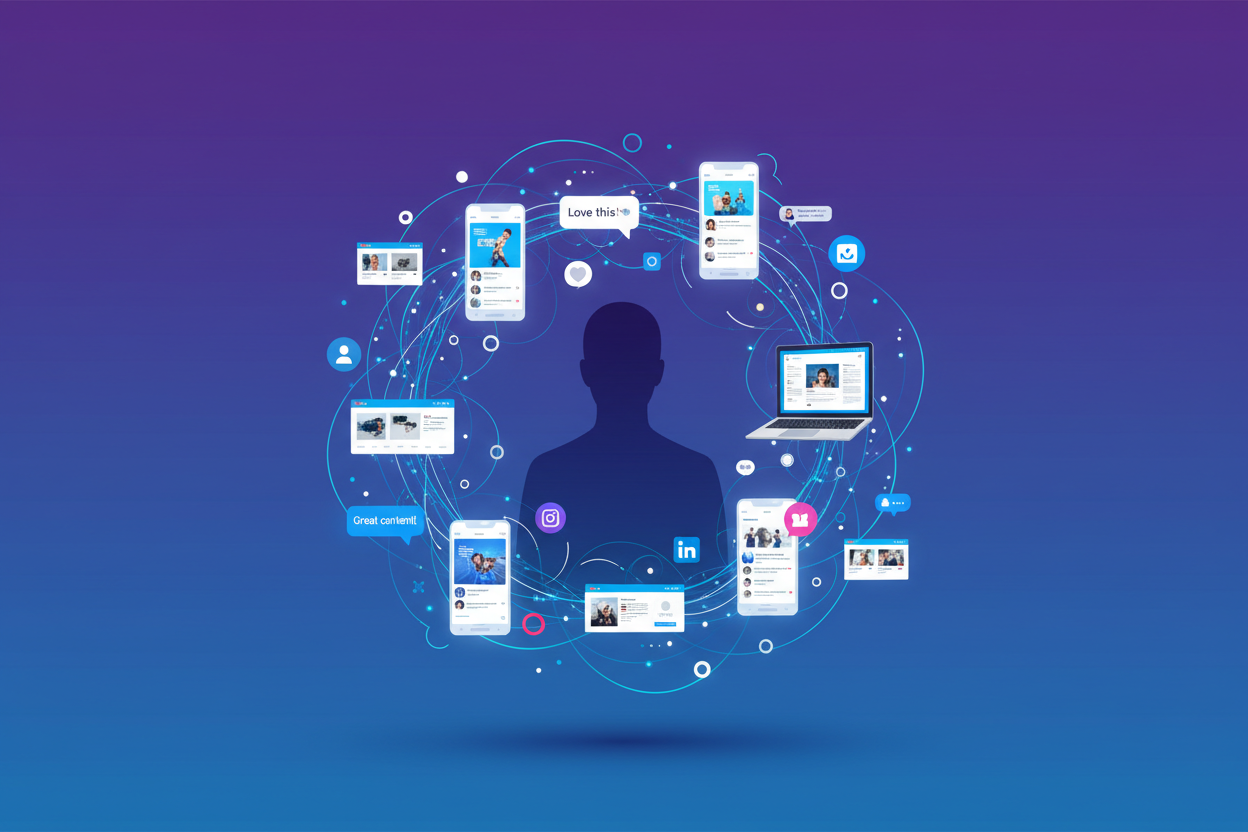
Creating a consistent digital brand isn’t about being fake or putting on a show. It’s about being intentional with how you present your authentic self across all digital touchpoints. Whether you’re a freelancer looking to attract clients, a job seeker trying to impress recruiters, or an entrepreneur building a business, your digital brand is working for you 24/7 – or against you.
Understanding the Foundation of Digital Branding
Before diving into tactics and strategies, let’s get clear on what digital branding actually means. Your digital brand is the perception people form about you based on your online presence. It encompasses everything from your professional headshots to your writing style, from the topics you engage with to the way you respond to comments.
The key word here is “perception.” You might think you’re coming across as approachable and knowledgeable, but if your online interactions suggest otherwise, that’s your actual brand. The good news? Unlike traditional branding, digital branding is completely within your control and can be adjusted in real-time.
Your digital brand should answer three fundamental questions for anyone who encounters you online: Who are you? What do you stand for? Why should I care? If someone can’t answer these questions after spending five minutes looking at your online presence, you’ve got work to do.
Defining Your Personal Brand Identity
Creating a consistent online persona starts with understanding yourself. This isn’t about inventing a character – it’s about identifying the authentic aspects of your personality and expertise that you want to amplify online.
Start by asking yourself some tough questions. What are your core values? What expertise do you bring to the table? What’s your unique perspective on your industry or field? What kind of person do you want to attract – clients, employers, collaborators, or friends?
I’ve seen too many people try to be everything to everyone online, and it never works. The most memorable personal brands have a clear point of view. They stand for something specific, even if it means they won’t appeal to everyone. That’s not a bug – it’s a feature.
Consider creating a simple brand statement for yourself. Something like: “I help small business owners navigate digital marketing without losing their sanity” or “I’m a data scientist who believes in making complex analytics accessible to everyone.” This becomes your north star for all online content and interactions.
Crafting Your Visual Brand Elements
Visual consistency might seem superficial, but it’s often the first thing people notice about your online presence. When someone sees your profile picture on LinkedIn, then encounters you on Twitter, they should immediately recognize that it’s the same person.
Your visual brand doesn’t need to be fancy or expensive. It needs to be consistent and professional. This means using the same profile photo across platforms, maintaining consistent color schemes where possible, and ensuring your visual style aligns with your industry and goals.
Professional headshots are worth the investment, but they don’t have to break the bank. A good smartphone photo with proper lighting can work wonders if a professional shoot isn’t in the budget. The key is that your photo should look like you on your best day – approachable, confident, and dressed appropriately for your field.
Beyond photos, consider how you use visual elements like backgrounds, graphics, and even emoji. These might seem minor, but they contribute to the overall impression you create. A lawyer might stick to conservative, clean visuals, while a creative professional might embrace more colorful, artistic elements.
Developing Your Unique Voice and Tone
Your voice is how your personality comes through in your writing and communication. Are you conversational or formal? Humorous or serious? Direct or diplomatic? There’s no right answer – only what’s authentic to you and appropriate for your goals.
The best online voices feel like real people, not corporate robots. Even in professional contexts, people connect with humanity. You can be professional without being boring, and you can be personable without being unprofessional.
Pay attention to how you naturally communicate in person, then adapt that for online contexts. If you’re naturally funny, don’t become completely serious online. If you’re thoughtful and measured in conversation, don’t try to be the person posting hot takes every five minutes.
Consistency in voice doesn’t mean you can’t adapt to different platforms. Your LinkedIn posts might be more formal than your Twitter interactions, but the underlying personality should be recognizable across both. Think of it like wearing different outfits for different occasions while still being fundamentally yourself.
Content Strategy for Brand Consistency
Content is where your brand really comes to life. Every post, comment, and share is an opportunity to reinforce who you are and what you stand for. But here’s where many people get overwhelmed – they think they need to be constantly creating original content to maintain their brand.
The truth is, curation can be just as powerful as creation. Sharing relevant articles with thoughtful commentary, engaging meaningfully with others’ content, and participating in industry discussions all contribute to your brand. The key is being selective and intentional about what you engage with.
When you do create original content, focus on topics that align with your brand identity and expertise. If you’re positioning yourself as a marketing expert, consistently sharing insights about marketing trends reinforces that positioning. If you occasionally post about your weekend hiking adventures, that adds personality without diluting your professional brand.
Develop a loose content framework that works for you. Maybe you share industry insights on Mondays, engage with community discussions on Wednesdays, and post more personal professional content on Fridays. Having a framework prevents you from posting randomly and helps maintain consistency.
Platform-Specific Branding Strategies
Different platforms serve different purposes, and your branding strategy should account for these differences while maintaining overall consistency. LinkedIn is your professional networking hub, Instagram might showcase your company culture or personal interests, and Twitter could be where you engage in industry conversations.
On LinkedIn, focus on professional achievements, industry insights, and thought leadership content. Your posts should demonstrate expertise and provide value to your professional network. This doesn’t mean being boring – personality still matters, but it should be professionally relevant personality.
Twitter’s fast-paced nature makes it great for real-time engagement and sharing quick thoughts or reactions to industry news. The character limit forces conciseness, which can actually help clarify your thinking and make your points more impactful.
Instagram, if relevant to your brand, can show the human side of your professional life. Behind-the-scenes content, workspace photos, or images related to your industry can add depth to your brand without compromising professionalism.
The key is understanding each platform’s culture and adapting your brand accordingly while maintaining your core identity. You wouldn’t wear the same outfit to a networking event and a beach party, but you’d still be recognizably you in both contexts.
Managing Your Online Reputation
Brand consistency isn’t just about what you post – it’s also about managing your overall online presence. This includes monitoring what others say about you, addressing any negative content, and ensuring that your online presence accurately reflects who you are today.
Regular Google searches of your name should be part of your digital hygiene routine. Set up Google alerts for your name and variations of it. This helps you stay aware of when you’re mentioned online and gives you the opportunity to engage positively or address any issues.
Old social media posts can sometimes conflict with your current brand direction. While you don’t need to delete your entire digital history, consider cleaning up posts that no longer align with your professional goals. This is especially important if you’re making a career transition or pivoting your business focus.
Remember that your digital brand includes not just what you post, but how you interact with others online. Your comments on other people’s posts, your responses to criticism, and your general online behavior all contribute to the perception people form about you.
Measuring and Evolving Your Digital Brand
Like any marketing effort, your personal branding should be measurable and adaptable. This doesn’t mean obsessing over vanity metrics, but rather paying attention to whether your online presence is helping you achieve your goals.
Are you getting the kind of opportunities you want? Are people reaching out with relevant proposals or job offers? Are you building meaningful professional relationships online? These qualitative measures often matter more than follower counts or likes.
Your brand should evolve as you grow professionally and personally. The brand that served you as a junior employee might need updating as you move into leadership roles. The key is making these changes intentionally rather than letting your brand drift without direction.
Regularly audit your online presence – maybe quarterly or twice a year. Look at your profiles with fresh eyes and ask whether they still accurately represent who you are and where you’re going. Update outdated information, refresh your bio, and adjust your content strategy if needed.
Conclusion: Your Digital Brand is Your Digital Legacy
Creating a consistent online persona isn’t about perfection – it’s about intention. Every interaction you have online is building your digital reputation, whether you’re being strategic about it or not. The choice is whether you want to be intentional about that process or leave it to chance.
Your digital brand is an investment in your future self. The time you spend today crafting thoughtful posts, engaging meaningfully with your network, and maintaining consistency across platforms pays dividends down the road in opportunities, relationships, and professional growth.
Remember, authenticity beats perfection every time. People can spot fake from miles away, but they’re drawn to genuine expertise and personality. Focus on being the best, most consistent version of yourself online, and your digital brand will become a powerful tool for achieving your goals.
The internet never forgets, but it also never stops creating new opportunities for those who approach it strategically. Your digital brand is your chance to control the narrative about who you are and what you bring to the world. Make it count.
No More BS – Get a FREE Consultation
No more BS. Let’s talk real world $#!+ about what you need. You’ll meet with our top dog, and you’ll leave with a better understanding of what you need to do, and how RyCOM might help.