

Effective Flyer Design Strategies for Your Marketing Campaign
Flyers are a timeless marketing tool that can effectively convey your message to a wide audience. Despite the digital shift, the tactile nature of a well-designed flyer can capture attention and leave a lasting impression. But what makes a flyer truly effective? In this blog post, we’ll explore strategies to design flyers that stand out and enhance your marketing campaign’s impact.
Understanding Your Audience
The first step in designing an effective flyer is understanding your target audience. Who are they? What are their interests, values, and needs? Knowing your audience helps tailor the flyer’s message, imagery, and distribution method. For instance, a flyer aimed at young adults might incorporate vibrant colors and bold fonts, whereas a flyer targeting professionals might use a more sophisticated design.
Crafting a Compelling Headline
Your headline is the first thing people notice, so it needs to be attention-grabbing. A compelling headline is concise, engaging, and clearly communicates the main benefit or message. Consider using action-oriented words and emotional triggers to entice readers to learn more. For example, instead of a generic “Summer Sale,” try “Unleash the Summer Savings: Up to 50% Off!”
Utilizing Effective Visuals
Visuals play a crucial role in flyer design. High-quality images, illustrations, and graphics can make your flyer visually appealing. Ensure visuals are relevant and complement the message of the flyer. The use of color is equally important; choose a color scheme that aligns with your brand and evokes the desired emotional response. Remember, a cluttered design can overshadow your message, so maintain a balance between text and visuals.
Clear and Concise Message
In flyer design, simplicity is key. Your message should be clear and concise, focusing on the essential information you want to convey. Use bullet points or short paragraphs to break down information and make it easily digestible. Highlight key details such as dates, locations, and contact information. Ensure there’s a clear call-to-action (CTA) that tells the reader exactly what you want them to do next, whether it’s visiting a website, calling a number, or attending an event.
Choosing the Right Typography
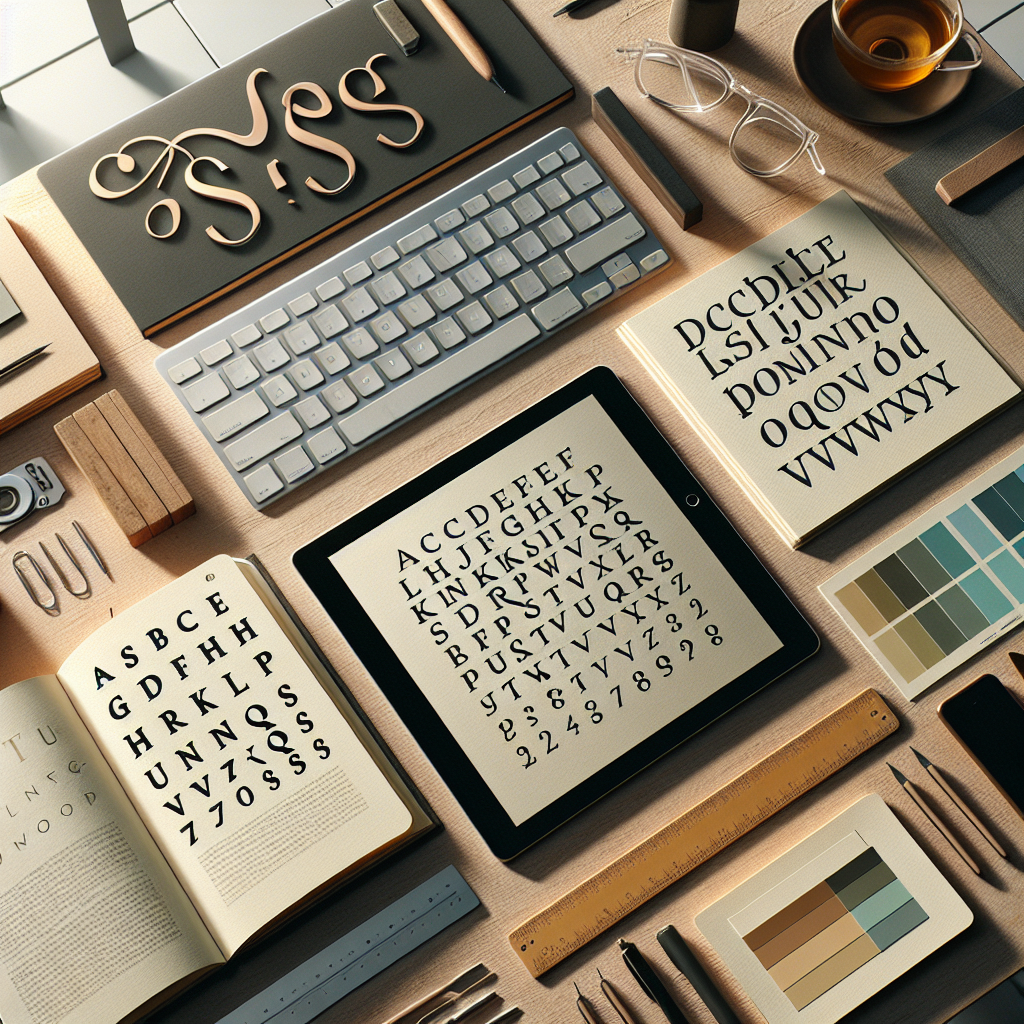
Typography is more than just choosing a font; it’s about creating a visual hierarchy that guides the reader’s eye across the flyer. Use a combination of fonts for headings, subheadings, and body text, ensuring they are legible and consistent with your brand identity. Avoid using too many different fonts, as this can make your flyer look disorganized. The size and spacing of your text also affect readability, so pay attention to these details.
Incorporating Branding Elements
Your flyer should be an extension of your brand. Incorporate branding elements such as your logo, brand colors, and tagline to create a cohesive look that reinforces brand recognition. Consistent branding across all marketing materials helps build trust and credibility with your audience.
Optimizing for Print and Distribution
Once your design is complete, ensure it’s optimized for print. Use high-resolution images and a suitable color format (CMYK for print) to ensure your flyer looks professional. Consider the size and format of your flyer based on where and how it will be distributed. Whether it’s a standard A5 size for handouts or a larger A4 for display, choose a format that best suits your campaign goals.
Distribution is as important as design. Identify the best locations and events to distribute your flyers to reach your target audience effectively. Whether it’s through direct mail, at local businesses, or during community events, strategic distribution amplifies your flyer’s impact.
Measuring Success and Making Adjustments
After distribution, measure the success of your flyer campaign. Track metrics such as response rates, website visits, or event attendance to evaluate its effectiveness. Gathering feedback can also provide insights into what worked well and what didn’t. Use this information to make adjustments for future campaigns, ensuring continuous improvement.
Conclusion
Effective flyer design is both an art and a science, requiring creativity and strategic thinking. By understanding your audience, crafting compelling headlines, using effective visuals, and maintaining a clear message, you can create flyers that not only capture attention but also drive action. Remember, a well-designed flyer is a powerful tool in your marketing arsenal that, when executed correctly, can significantly enhance your campaign’s success. So, embrace these strategies and watch your marketing efforts soar.
No More BS – Get a FREE Consultation
No more BS. Let’s talk real world $#!+ about what you need. You’ll meet with our top dog, and you’ll leave with a better understanding of what you need to do, and how RyCOM might help.