
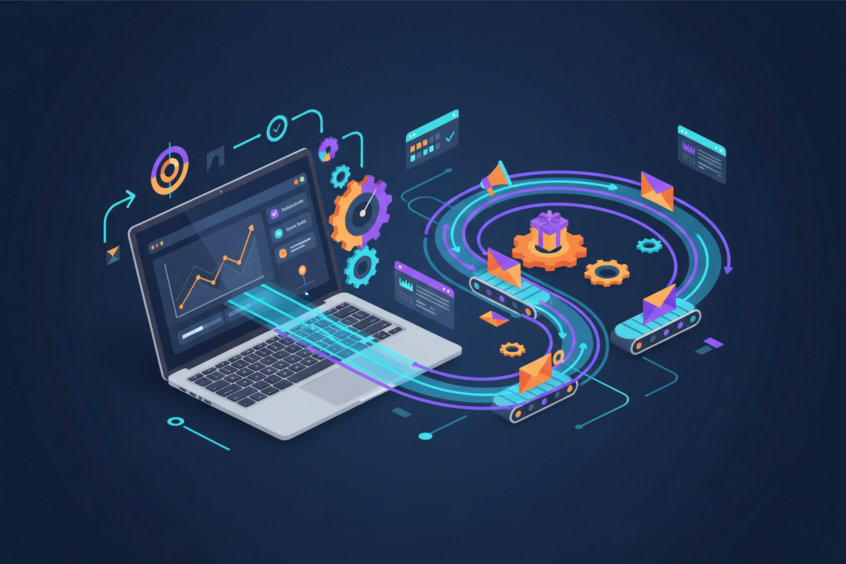
Email Marketing Automation: Streamlining Your Campaigns for Maximum Impact
Remember the days when marketers had to manually send emails to every single subscriber? Those exhausting hours spent copying and pasting addresses, personalizing messages one by one, and hoping you didn’t accidentally send the wrong message to the wrong person? Thank goodness those days are behind us. Email marketing automation has revolutionized how businesses connect with their audiences, turning what once was a time-consuming nightmare into a streamlined, efficient process that works around the clock.
If you’re still sending emails manually or wondering whether automation is worth the investment, you’re missing out on one of the most powerful tools in digital marketing. Let’s dive deep into how email marketing automation can transform your campaigns and why it’s become an essential component of successful marketing strategies.
Understanding Email Marketing Automation
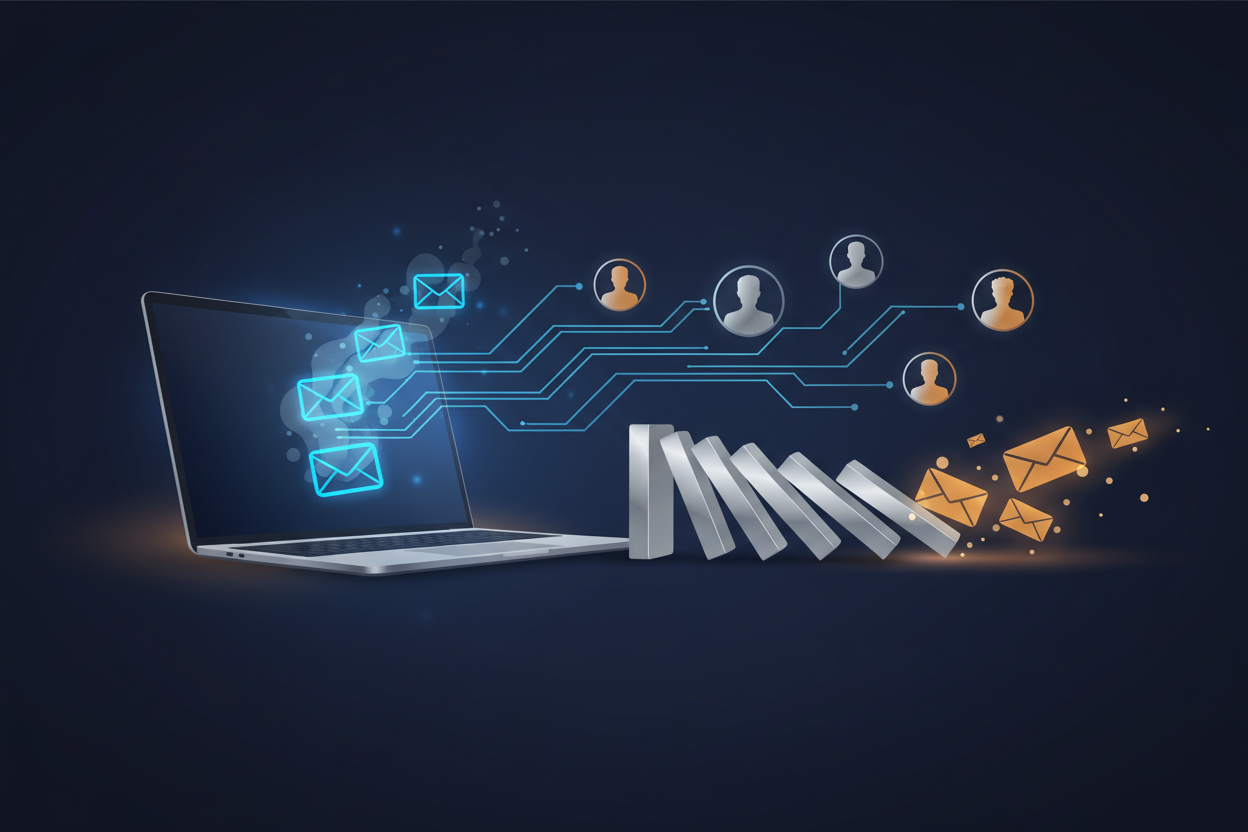
Email marketing automation is essentially your digital marketing assistant that never sleeps. It’s a technology that allows you to send targeted, personalized emails to your subscribers based on specific triggers, behaviors, or predetermined schedules. Think of it as setting up a series of dominoes – once you push the first one, the rest fall in perfect sequence without any additional effort from you.
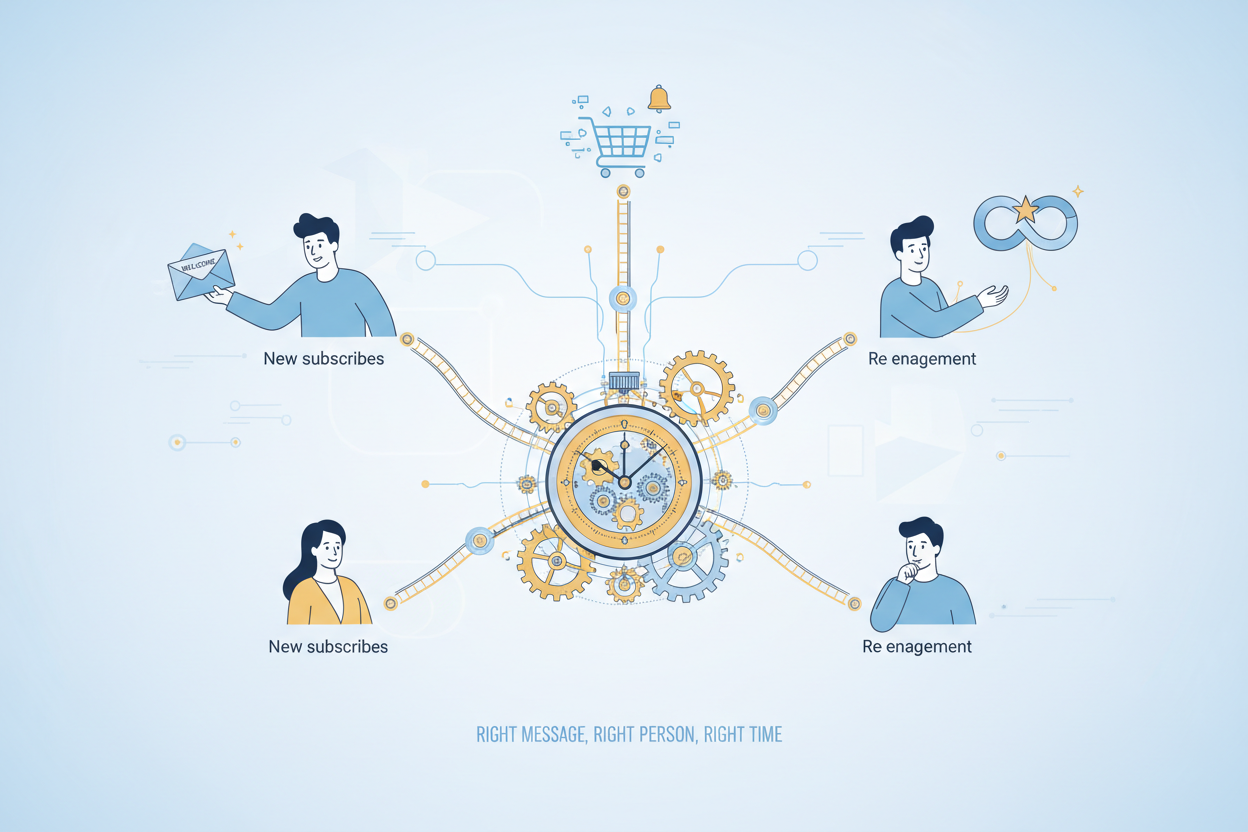
The beauty of automation lies in its ability to deliver the right message to the right person at exactly the right time. Whether someone just signed up for your newsletter, abandoned their shopping cart, or hasn’t engaged with your brand in months, automation ensures they receive relevant content that speaks directly to their current situation.
Modern email automation platforms use sophisticated algorithms and data analysis to determine optimal send times, subject lines, and content variations. This means your emails aren’t just automated – they’re intelligently automated, constantly learning and improving based on subscriber behavior and engagement patterns.
Key Benefits of Automated Email Campaigns
The advantages of implementing email marketing automation extend far beyond simply saving time, though that’s certainly a significant benefit. When done correctly, automation can dramatically improve your marketing ROI while providing a better experience for your subscribers.
First and foremost, automation ensures consistency in your communication. Your welcome series will go out to every new subscriber without fail, your promotional campaigns will reach the right segments at the optimal times, and your re-engagement sequences will automatically target inactive subscribers. This consistency builds trust and keeps your brand top-of-mind.
Personalization at scale becomes possible with automation. While you can’t personally craft individual emails for thousands of subscribers, automation allows you to create highly personalized experiences based on subscriber data, purchase history, browsing behavior, and engagement patterns. This level of personalization often results in significantly higher open rates, click-through rates, and conversions.
Revenue generation happens even while you sleep. Automated sequences like abandoned cart emails, post-purchase follow-ups, and win-back campaigns continue working 24/7, recovering potentially lost sales and nurturing customer relationships without constant manual intervention.
Essential Types of Email Automation Workflows
Understanding the different types of automated workflows available helps you choose the right approach for your specific business goals. Each workflow serves a unique purpose in the customer journey and can significantly impact your overall marketing effectiveness.
Welcome email series represent the foundation of most automation strategies. These sequences introduce new subscribers to your brand, set expectations for future communications, and often include special offers or valuable content. A well-crafted welcome series can increase long-term subscriber engagement by up to 300% compared to one-off welcome emails.
Abandoned cart recovery workflows target the billions of dollars in lost revenue from incomplete purchases. These sequences typically include multiple touchpoints – a gentle reminder, social proof or urgency elements, and sometimes a discount offer. The timing of these emails is crucial, with the first email usually sent within an hour of abandonment for maximum effectiveness.
Post-purchase automation workflows continue the conversation after a sale, providing order confirmations, shipping updates, delivery notifications, and follow-up requests for reviews or feedback. These sequences not only improve customer satisfaction but also create opportunities for repeat purchases and referrals.
Re-engagement campaigns automatically identify subscribers who haven’t interacted with your emails in a specific timeframe and attempt to win them back with compelling offers or content. These workflows help maintain list hygiene while potentially recovering valuable subscribers who might otherwise remain dormant.
Setting Up Your First Automated Campaign
Creating your first automated email campaign might seem daunting, but breaking it down into manageable steps makes the process much more approachable. The key is starting with a clear objective and building your workflow around that specific goal.
Begin by selecting the right email marketing platform that offers robust automation features. Popular options include Mailchimp, Klaviyo, ConvertKit, and HubSpot, each with their own strengths and pricing structures. Consider factors like ease of use, integration capabilities, reporting features, and scalability when making your choice.
Define your automation triggers carefully. These could be actions like signing up for your newsletter, making a purchase, clicking a specific link, or reaching a particular date. The trigger determines when your automation sequence begins, so accuracy is crucial for delivering timely, relevant messages.
Map out your email sequence before writing any content. Determine how many emails you’ll include, the timing between each message, and the primary goal of each email in the series. This planning phase prevents confusion and ensures your sequence flows logically toward your desired outcome.
Craft compelling content that speaks directly to your subscriber’s current situation. Remember, they’ve taken a specific action that triggered this sequence, so your messaging should acknowledge and build upon that action. Use conversational language, clear calls-to-action, and valuable content that justifies their time and attention.
Advanced Automation Strategies and Segmentation
Once you’ve mastered basic automation workflows, advanced strategies can significantly amplify your results. These techniques involve more sophisticated targeting and personalization, requiring a deeper understanding of your audience and their behaviors.
Behavioral segmentation allows you to create highly targeted workflows based on specific actions subscribers take. For example, you might create different sequences for subscribers who browse certain product categories, spend specific amounts, or engage with particular types of content. This level of segmentation ensures maximum relevance and higher conversion rates.
Dynamic content insertion takes personalization to the next level by automatically customizing email content based on subscriber data. This might include showing different products based on browsing history, adjusting messaging based on geographic location, or featuring content aligned with stated preferences.
Multi-channel automation workflows extend beyond email to include SMS, push notifications, and social media messaging. This omnichannel approach ensures your message reaches subscribers through their preferred communication channels, increasing the likelihood of engagement and conversion.
Lead scoring integration allows your automation to respond to subscriber engagement levels automatically. Highly engaged subscribers might receive exclusive offers or premium content, while less engaged subscribers enter re-engagement sequences designed to rekindle their interest.
Measuring Success and Optimization Techniques
The true power of email marketing automation lies not just in its ability to send messages automatically, but in its capacity to provide detailed insights that help you continuously improve your campaigns. Understanding key metrics and optimization techniques is essential for long-term success.
Track meaningful metrics beyond basic open and click rates. While these remain important, focus on conversion rates, revenue per email, list growth rate, and customer lifetime value. These metrics provide deeper insights into how your automation contributes to actual business results.
A/B testing becomes even more powerful with automation because you can test different versions of entire sequences, not just individual emails. Test subject lines, send times, email frequency, content approaches, and call-to-action placement to identify what resonates most with your audience.
Regular workflow audits help identify bottlenecks and opportunities for improvement. Review your automation sequences quarterly to ensure they still align with your business goals, update outdated content, and incorporate lessons learned from recent campaigns.
Monitor deliverability metrics closely, as automated emails can sometimes trigger spam filters if not properly configured. Maintain good sender reputation by regularly cleaning your list, using authentication protocols, and monitoring bounce rates and spam complaints.
Common Pitfalls and How to Avoid Them
While email marketing automation offers tremendous benefits, several common mistakes can undermine your efforts. Being aware of these pitfalls helps you avoid them and maximize your automation’s effectiveness.
Over-automation represents one of the biggest risks. While it’s tempting to automate everything, some communications benefit from a personal touch. Balance automation with genuine human interaction, especially for high-value customers or complex situations that require nuanced responses.
Neglecting mobile optimization can severely impact your results, as more than half of all emails are opened on mobile devices. Ensure your automated emails display correctly on smartphones and tablets, with easily clickable buttons and readable text sizes.
Failing to update automated content regularly can make your brand appear stagnant or out of touch. Schedule regular reviews of your automated sequences to refresh content, update offers, and ensure messaging remains current and relevant.
Ignoring unsubscribe requests or making it difficult for people to opt out can damage your sender reputation and potentially violate regulations. Always honor unsubscribe requests promptly and make the process simple and straightforward.
Future Trends in Email Marketing Automation
The landscape of email marketing automation continues evolving rapidly, driven by advances in artificial intelligence, machine learning, and data analytics. Staying informed about emerging trends helps you prepare for future opportunities and maintain your competitive edge.
Artificial intelligence integration is becoming more sophisticated, enabling predictive analytics that can forecast subscriber behavior and automatically adjust campaigns accordingly. AI can optimize send times for individual subscribers, predict which products they’re most likely to purchase, and even generate subject lines and content variations.
Interactive email elements are gaining popularity, allowing subscribers to take actions directly within emails without visiting external websites. This might include completing surveys, making purchases, or updating preferences, creating more engaging experiences that drive higher conversion rates.
Privacy-focused automation is becoming increasingly important as regulations like GDPR and CCPA reshape how businesses collect and use customer data. Future automation platforms will need to balance personalization with privacy protection, using techniques like zero-party data collection and consent management.
Email marketing automation has transformed from a nice-to-have feature into an essential component of successful digital marketing strategies. By streamlining your campaigns through intelligent automation, you can deliver more personalized experiences, improve customer relationships, and drive better business results while freeing up time to focus on strategic initiatives.
The key to success lies in starting with clear objectives, understanding your audience deeply, and continuously optimizing based on data and feedback. Whether you’re just beginning your automation journey or looking to enhance existing workflows, remember that the most effective automated campaigns feel personal and valuable to recipients, never robotic or intrusive.
As you implement email marketing automation in your business, focus on creating genuine value for your subscribers while achieving your marketing goals. With the right strategy, tools, and execution, automated email campaigns can become one of your most powerful assets for building lasting customer relationships and driving sustainable growth.
No More BS – Get a FREE Consultation
No more BS. Let’s talk real world $#!+ about what you need. You’ll meet with our top dog, and you’ll leave with a better understanding of what you need to do, and how RyCOM might help.