
Email Newsletter Design: Engaging Content Tips That Actually Work
Let’s be honest – your subscribers’ inboxes are battlegrounds. Every day, they’re flooded with promotional emails, newsletters, and notifications competing for their precious attention. So how do you create email newsletters that don’t just survive the initial scroll but actually get opened, read, and acted upon?
After years of crafting newsletters for various brands and analyzing what makes people click that “unsubscribe” button versus eagerly anticipating the next edition, I’ve learned that successful email newsletter design isn’t just about pretty graphics or catchy subject lines. It’s about creating genuine value while respecting your readers’ time and intelligence.
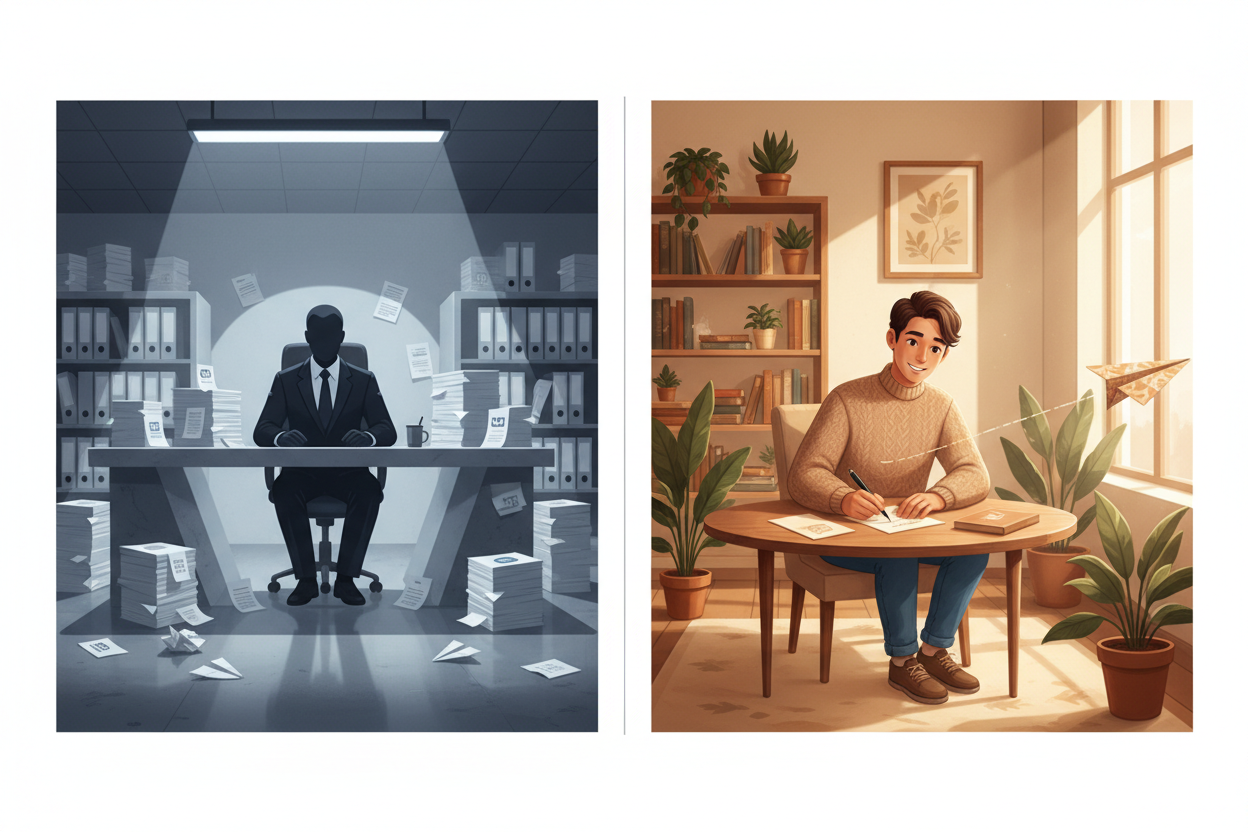
The truth is, most newsletters fail because they’re designed from the company’s perspective rather than the subscriber’s. They’re stuffed with corporate jargon, irrelevant updates, and thinly veiled sales pitches. But the newsletters that thrive? They feel like getting a letter from a knowledgeable friend who actually cares about helping you solve problems or discover something interesting.
Understanding Your Audience Before You Write a Single Word
Before diving into design elements or content creation, you need to understand who’s actually reading your newsletter. This isn’t about demographics alone – it’s about understanding the mindset of your subscribers when they encounter your email.
Think about it: when someone opens your newsletter, they’re likely multitasking. Maybe they’re checking email during their morning coffee, scrolling through their phone during lunch, or catching up on messages before bed. They’re not sitting at their desk with undivided attention, ready to absorb every word you’ve written.
This reality should shape every design and content decision you make. Your newsletter needs to deliver value quickly and clearly, even to someone who’s only half-paying attention. Start by creating detailed subscriber personas that go beyond basic information. What challenges are they facing? What time of day do they typically check email? What type of content makes them feel like their time was well spent?
I’ve found that the most effective approach is to survey your existing subscribers directly. Ask them what they love about your current newsletter, what they’d like to see more of, and what frustrates them. Their answers will often surprise you and guide your content strategy in directions you never considered.
Crafting Subject Lines That Spark Genuine Curiosity
Your subject line is your newsletter’s first impression, and unfortunately, it’s often the last impression too. With average email open rates hovering around 20-25% across industries, your subject line needs to work harder than ever.
The most effective subject lines create curiosity without being clickbait. They promise value that the newsletter actually delivers. Instead of generic phrases like “Monthly Update” or “Newsletter #47,” try subject lines that hint at specific benefits or intriguing insights.
For example, rather than “Marketing Tips Newsletter,” you might write “The 3-minute trick that doubled our email engagement.” This approach works because it’s specific, implies a quick time investment, and promises a concrete result.
Personalization can also significantly boost open rates, but it goes beyond just inserting the subscriber’s first name. Consider personalizing based on their interests, past behavior, or where they are in their customer journey. A subject line like “Sarah, here’s that productivity app you asked about” feels much more relevant than “Sarah, check out our latest newsletter.”
Testing different subject line approaches is crucial. What works for one audience might fall flat with another. Try varying the length, tone, and style of your subject lines, then analyze which ones generate the highest open rates and, more importantly, the highest engagement once opened.
Designing for Scanners: The Art of Skimmable Content
Here’s a reality check: most people don’t read newsletters word-for-word. They scan them. Eye-tracking studies consistently show that people follow predictable patterns when consuming digital content, typically scanning in an F or Z pattern.
This means your newsletter design needs to support scanning behavior rather than fighting against it. Use clear, descriptive headings that tell the story even if someone only reads those. Break up large blocks of text with subheadings, bullet points, or short paragraphs. White space isn’t wasted space – it’s breathing room that makes your content more approachable.
Consider implementing a consistent structure that readers can learn to navigate quickly. Many successful newsletters follow a pattern like: opening thought or story, main content sections with clear headings, and a closing call-to-action. This predictability helps subscribers know what to expect and find what interests them most.
Visual hierarchy is your friend here. Use font sizes, colors, and spacing to guide readers through your content in order of importance. The most critical information should be the most visually prominent, while supporting details can be styled more subtly.
Visual Elements That Enhance Rather Than Distract
When it comes to visual design in email newsletters, less is often more. While it might be tempting to create something that looks like a magazine spread, remember that many subscribers will view your newsletter on mobile devices with limited screen space and potentially slow internet connections.
Images should serve a purpose beyond decoration. Use them to illustrate concepts, break up text, or create emotional connections with your content. However, always include alt text for accessibility and assume that some subscribers won’t see images at all due to email client settings.
Color choices matter more than you might think. Stick to a consistent color palette that reflects your brand but doesn’t overwhelm the content. High contrast between text and background is essential for readability, especially for subscribers with visual impairments or those reading in bright sunlight.
Typography deserves special attention in email design. Choose fonts that are web-safe and highly readable across different devices and email clients. While fancy fonts might look great in your design software, they could render poorly or default to system fonts in many email applications.
Creating Content That Provides Real Value
The best newsletter content doesn’t feel like marketing – it feels like education, entertainment, or inspiration. Your subscribers should finish reading and feel like they’ve gained something valuable, whether that’s new knowledge, a useful tip, or simply an interesting perspective on their industry or interests.
One effective approach is the 80/20 rule: 80% of your content should provide value without any direct promotional intent, while 20% can focus on your products, services, or business updates. This ratio helps build trust and keeps subscribers engaged even when you do make promotional asks.
Storytelling can transform even mundane topics into engaging content. Instead of simply listing features of a new product, tell the story of how it solved a real customer’s problem. Rather than sharing generic industry statistics, explain what those numbers mean for your subscribers’ daily work or personal goals.
Consider including user-generated content, customer spotlights, or behind-the-scenes glimpses of your organization. These elements add authenticity and help subscribers feel connected to a community rather than just receiving corporate communications.
Mobile-First Design: Optimizing for Small Screens
With more than half of emails being opened on mobile devices, designing for mobile isn’t optional – it’s essential. This means thinking mobile-first rather than designing for desktop and hoping it translates well to smaller screens.
Single-column layouts work best for mobile viewing. Complex multi-column designs that look great on desktop often become cramped and difficult to navigate on phones. Keep your design simple and linear, allowing content to flow naturally from top to bottom.
Button and link sizes need to be finger-friendly. Small text links that are easy to click with a mouse become frustrating when someone’s trying to tap them with their thumb while walking or holding their phone with one hand. Make clickable elements large enough to tap easily, with adequate spacing between them.
Loading speed becomes even more critical on mobile devices, where subscribers might be using cellular data or have slower connections. Optimize images for faster loading, and consider the total file size of your newsletter. A beautifully designed newsletter that takes 30 seconds to load will likely be deleted before it’s ever seen.
Measuring Success Beyond Open Rates
While open rates get a lot of attention, they don’t tell the whole story of newsletter success. Click-through rates, time spent reading, and conversion rates provide better insights into whether your content is actually engaging subscribers.
Pay attention to which sections of your newsletter generate the most clicks and engagement. This data can guide future content decisions and help you understand what resonates most with your audience. If subscribers consistently skip certain types of content, it might be time to pivot or eliminate those sections.
Unsubscribe rates, while painful to watch, can actually provide valuable feedback. A sudden spike in unsubscribes after a particular newsletter can indicate that you’ve strayed from what your audience values. Don’t take it personally – use it as data to improve future editions.
Consider implementing feedback mechanisms within your newsletter, such as simple rating systems or quick polls. This direct feedback can be more valuable than any analytics dashboard in understanding how your content is being received.
Conclusion
Creating engaging email newsletters isn’t about following a rigid formula or copying what works for other brands. It’s about understanding your specific audience, respecting their time and attention, and consistently delivering value that makes their subscription worthwhile.
The most successful newsletters feel personal and authentic while maintaining professional quality. They anticipate subscribers’ needs, answer questions before they’re asked, and create a sense of community around shared interests or goals.
Remember that great newsletter design is an ongoing process, not a one-time achievement. Your audience’s needs will evolve, new technologies will emerge, and your own understanding of what works will deepen over time. Stay curious, keep testing, and never stop asking your subscribers what they actually want to read.
The inbox might be crowded, but there’s always room for newsletters that genuinely care about their readers’ success and satisfaction. Focus on creating that kind of value, and your open rates, engagement metrics, and subscriber loyalty will follow naturally.
No More BS – Get a FREE Consultation
No more BS. Let’s talk real world $#!+ about what you need. You’ll meet with our top dog, and you’ll leave with a better understanding of what you need to do, and how RyCOM might help.