

Event Marketing Design: How to Create Lasting Impressions
In today’s competitive business landscape, standing out at events isn’t just about showing up—it’s about creating an unforgettable experience that resonates long after attendees leave. Event marketing design has evolved from simple banner displays to immersive brand experiences that tell compelling stories and forge meaningful connections. Whether you’re planning a trade show booth, corporate conference, or product launch, the design elements you choose can make the difference between being forgotten and becoming the talk of the industry.
The truth is, attendees are bombarded with information at events. They walk past hundreds of displays, collect countless brochures, and shake hands with dozens of representatives. But what makes them remember your brand weeks later? It’s the emotional connection created through thoughtful, strategic design that speaks directly to their needs and aspirations.
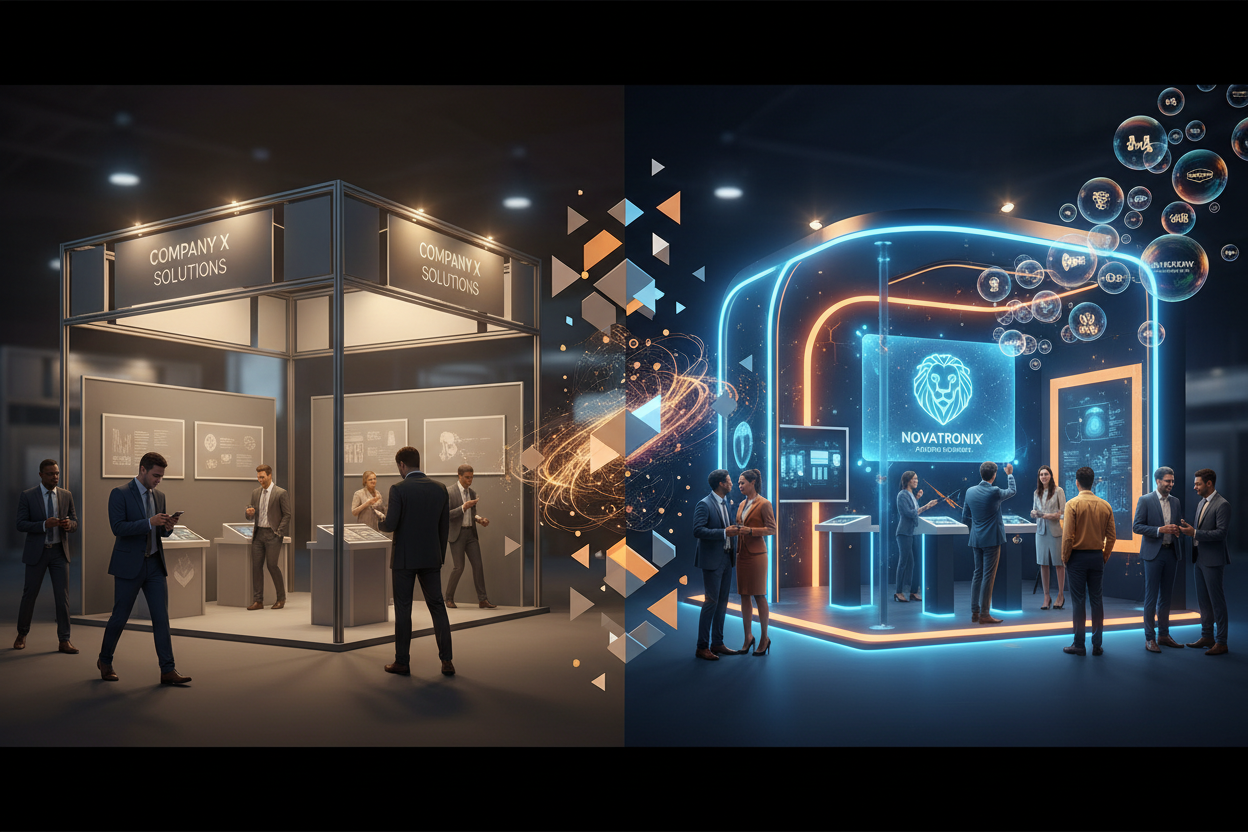
Understanding the Psychology Behind Memorable Event Experiences
Before diving into the tactical aspects of event marketing design, it’s crucial to understand what makes experiences stick in people’s minds. Our brains are wired to remember experiences that engage multiple senses, evoke emotions, and create personal relevance. This psychological foundation should inform every design decision you make.
Research shows that people remember 65% of visual information three days later, compared to only 10% of information they hear. This statistic alone highlights why visual design plays such a critical role in event marketing success. However, truly memorable experiences go beyond just looking good—they create moments of genuine connection and discovery.
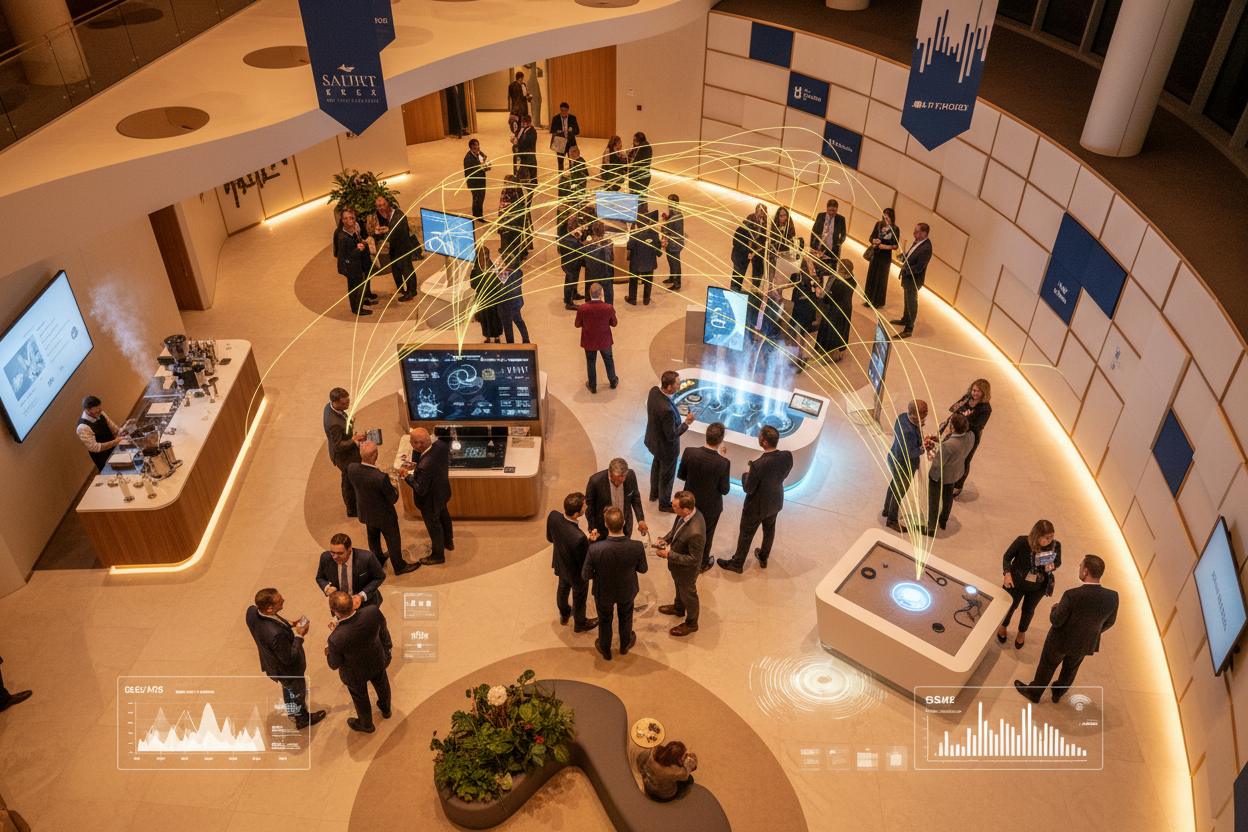
Consider how luxury car brands approach auto shows. They don’t just display vehicles; they create environments that make visitors feel the lifestyle associated with owning that car. The lighting, materials, spatial design, and even the music work together to transport attendees into a world where they can envision themselves as customers.
Strategic Planning: Laying the Foundation for Design Success
Effective event marketing design begins long before you start sketching booth layouts or selecting color schemes. The foundation of any successful design strategy lies in thorough planning and clear objective setting.
Start by defining your primary goals. Are you launching a new product, generating leads, building brand awareness, or nurturing existing client relationships? Each objective requires a different design approach. A lead generation focus might emphasize interactive elements and conversation starters, while brand awareness campaigns might prioritize bold visual statements and memorable photo opportunities.
Understanding your target audience is equally important. A tech startup targeting millennials will require a vastly different design approach than a financial services company courting enterprise executives. Consider factors like industry preferences, cultural backgrounds, professional levels, and personal interests when making design decisions.
Budget considerations also play a crucial role in design planning. Rather than viewing budget constraints as limitations, think of them as creative challenges that force innovative solutions. Some of the most memorable event designs have emerged from clever problem-solving rather than unlimited resources.
Visual Identity and Brand Consistency Across All Touchpoints
Your event presence should feel like a natural extension of your brand, not a disconnected marketing experiment. Consistency in visual identity helps build trust and recognition, making it easier for attendees to connect your event experience with your broader brand promise.
This consistency extends beyond just using your logo and brand colors. Consider how your brand personality translates into physical space. Is your brand playful and innovative? Your event design might incorporate interactive technology and unexpected elements. Is your brand sophisticated and trustworthy? Clean lines, premium materials, and professional presentation might be more appropriate.
Typography, imagery style, and messaging tone should all align with your established brand guidelines while being optimized for the event environment. Remember that event attendees often view displays from various distances and angles, so your visual hierarchy needs to work effectively in three-dimensional space.
Don’t forget about digital touchpoints within your event presence. If you’re using tablets, screens, or interactive displays, ensure they maintain the same visual consistency as your physical elements. This holistic approach creates a seamless experience that reinforces your brand at every interaction point.
Creating Interactive Experiences That Drive Engagement
Gone are the days when passive displays could capture and hold attention at events. Today’s attendees expect interactive experiences that provide value, entertainment, or education. The key is creating interactions that feel natural and relevant rather than gimmicky.
Technology offers countless possibilities for engagement, but it should always serve a purpose beyond novelty. Virtual reality demonstrations work well when they help attendees experience your product or service in ways that wouldn’t be possible otherwise. Augmented reality applications can overlay digital information onto physical products, providing detailed specifications or use cases.
However, don’t overlook the power of simple, human-centered interactions. Sometimes a well-designed conversation starter or hands-on demonstration creates more meaningful engagement than the latest tech gadget. The goal is to facilitate genuine connections between your team and potential customers.
Consider incorporating elements that encourage social sharing. Instagram-worthy backdrops, interactive art installations, or unique photo opportunities can extend your event reach far beyond the physical attendees. When people share their experiences on social media, they’re essentially providing free marketing while creating social proof for your brand.
Spatial Design and Flow Optimization
The way you organize space within your event presence significantly impacts how attendees interact with your brand. Poor spatial design can create bottlenecks, confusion, or missed opportunities for engagement. Thoughtful space planning, on the other hand, guides visitors through a carefully crafted journey that maximizes impact and conversion opportunities.
Start by mapping out the attendee journey from their first glimpse of your space to their final interaction. Where do you want them to enter? What should they see first? How do you guide them through different experience zones? Where are the natural conversation areas? These questions should inform your spatial design decisions.
Consider sight lines carefully. Your most important messages and visual elements should be visible from multiple angles and distances. Create clear pathways that feel inviting rather than restrictive. Ensure there are both high-energy areas for presentations and quieter zones for detailed conversations.
Storage and logistics often get overlooked in spatial planning, but they’re crucial for maintaining a professional appearance throughout the event. Design discrete storage solutions and plan for setup and breakdown logistics to ensure your space looks pristine from opening to closing.
Sensory Design Elements That Enhance Memory Formation
While visual elements often dominate event design discussions, engaging multiple senses creates more memorable and impactful experiences. Strategic use of sound, texture, scent, and even taste can significantly enhance your event marketing effectiveness.
Lighting plays a particularly important role in setting mood and directing attention. Dynamic lighting can transform spaces throughout the day, creating different atmospheres for various activities. Warm lighting encourages intimate conversations, while bright, cool lighting energizes and draws attention to key displays.
Audio elements should complement rather than compete with conversations. Background music can establish atmosphere, while strategic use of sound effects can enhance product demonstrations or interactive experiences. However, always consider the overall event environment—what works in a controlled conference room might not work on a busy trade show floor.
Tactile elements invite physical interaction and create stronger memory associations. This might involve allowing attendees to handle products, interact with different materials, or experience textures that relate to your brand story. A outdoor gear company might incorporate natural materials like wood and stone, while a tech company might focus on sleek, modern surfaces.
Measuring Success and Gathering Insights for Future Events
Creating lasting impressions is only valuable if you can measure and learn from your efforts. Effective measurement goes beyond traditional metrics like booth traffic or leads collected. Consider implementing systems to track engagement quality, brand recall, and long-term relationship development.
Pre and post-event surveys can provide insights into brand perception changes and message retention. Social media monitoring helps you understand how attendees are sharing and discussing their experiences. Follow-up conversations with prospects can reveal which design elements were most memorable and influential in their decision-making process.
Technology can help with more sophisticated measurement. Heat mapping tools can show how attendees move through your space, revealing which areas generate the most interest and which might need redesign. Digital interactions can be tracked and analyzed to understand engagement patterns and preferences.
Document everything thoroughly, including what worked well and what didn’t. Create a comprehensive post-event report that captures both quantitative metrics and qualitative observations. This documentation becomes invaluable for improving future event designs and justifying design investments to stakeholders.
Conclusion
Creating lasting impressions through event marketing design requires a thoughtful blend of strategic thinking, creative execution, and human psychology understanding. It’s about crafting experiences that resonate with your target audience while authentically representing your brand values and objectives.
The most successful event designs don’t just look impressive—they facilitate meaningful connections, provide genuine value, and create positive emotional associations with your brand. By focusing on your audience’s needs, maintaining brand consistency, incorporating interactive elements, optimizing spatial flow, engaging multiple senses, and measuring your results, you can create event experiences that attendees remember long after they’ve returned to their daily routines.
Remember that great event marketing design is an iterative process. Each event provides learning opportunities that can inform and improve future efforts. Start with clear objectives, stay true to your brand, and never underestimate the power of human connection in creating truly memorable experiences. When done right, event marketing design doesn’t just create impressions—it creates relationships that drive long-term business success.
No More BS – Get a FREE Consultation
No more BS. Let’s talk real world $#!+ about what you need. You’ll meet with our top dog, and you’ll leave with a better understanding of what you need to do, and how RyCOM might help.