

Local Marketing Services: How to Tailor Your Approach for Maximum Impact
When I first started helping businesses with their local marketing efforts, I made a critical mistake. I thought one-size-fits-all strategies would work for everyone. A bakery in downtown Portland got the same social media approach as a plumbing service in suburban Denver. The results? Mediocre at best, and downright disappointing at worst.
That’s when I learned the golden rule of local marketing services: customization isn’t just nice to have—it’s absolutely essential. Every community has its own personality, preferences, and peculiarities. What resonates with customers in a bustling metropolitan area might fall completely flat in a tight-knit small town.
Today, successful local marketing requires a deep understanding of your specific market, combined with the flexibility to adapt proven strategies to local conditions. Whether you’re running a marketing agency or managing marketing for your own business, tailoring your approach can mean the difference between blending into the background and becoming the go-to choice in your community.
Understanding Your Local Market Landscape
Before diving into any marketing tactics, you need to become a detective in your own backyard. Local market research goes far beyond demographics and income levels—though those matter too. You’re looking for the heartbeat of your community.
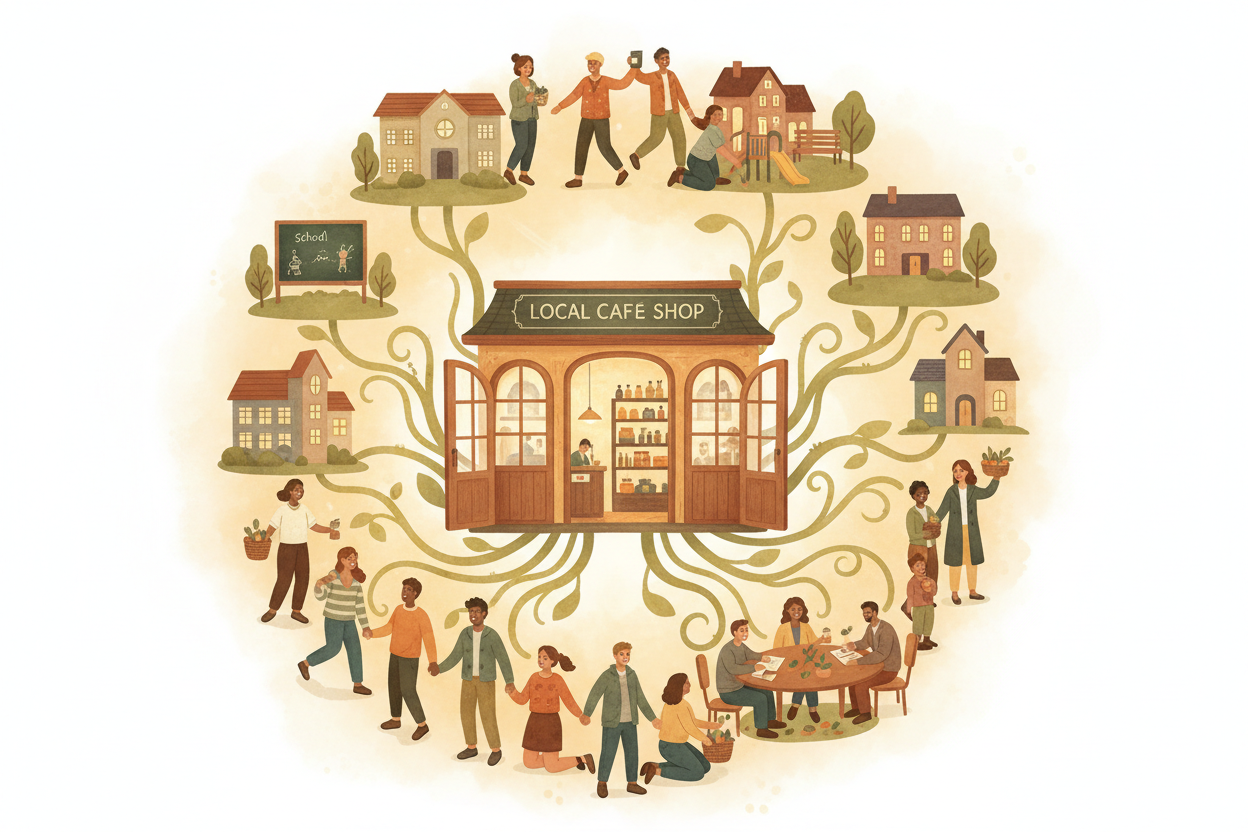
Start by walking through your target neighborhoods at different times of day. Where do people gather? What local events draw crowds? I once worked with a coffee shop owner who discovered that the real community hub wasn’t the town square marked on tourist maps—it was the parking lot of the local grocery store where parents congregated after school pickup.
Pay attention to local media consumption habits. Some communities still rely heavily on the weekly newspaper, while others have moved entirely to Facebook community groups. Understanding these preferences will save you from investing time and money in channels your audience simply doesn’t use.
Don’t forget to analyze your competition, but look beyond just their services. How do they communicate? What local partnerships have they formed? Sometimes the most valuable insights come from observing what isn’t working for others in your market.
Crafting Location-Specific Messaging
Generic marketing messages are the enemy of local connection. Your messaging should feel like it was written by someone who actually lives and breathes in your community—because it should be.
Local references and insider knowledge can transform ordinary marketing copy into something that resonates deeply. Instead of “We serve the greater metropolitan area,” try “From the historic downtown district to the new developments near Riverside Park.” This specificity immediately signals to readers that you understand their world.
Seasonal and event-based messaging adds another layer of local relevance. A fitness center might promote “Get ready for the annual Founder’s Day 5K” rather than generic “summer fitness goals.” These references create an immediate sense of shared community experience.
However, be careful not to overdo the local references to the point where your messaging becomes cheesy or forced. The goal is authentic connection, not a tourism brochure. Test your messaging with actual community members before launching major campaigns.
Leveraging Community Partnerships and Events
Some of the most effective local marketing happens when you stop thinking like a marketer and start thinking like a community member. Strategic partnerships with other local businesses can amplify your reach while building genuine relationships.
Cross-promotional opportunities often emerge naturally when businesses complement rather than compete with each other. A wedding photographer might partner with local florists, caterers, and venues to create a referral network that benefits everyone involved. These relationships often prove more valuable than expensive advertising campaigns.
Community event participation requires a strategic approach. You can’t be everywhere, so choose events that align with your target audience and business goals. A B2B service provider might find more success at chamber of commerce mixers than street festivals, while a family-oriented business might prioritize school fundraisers and youth sports sponsorships.
When participating in events, focus on building relationships rather than making immediate sales. Bring something valuable to the community—whether that’s expertise, entertainment, or genuine support for local causes. People remember businesses that contribute meaningfully to their community long after promotional materials are forgotten.
Digital Marketing with a Local Focus
Digital marketing tools offer incredible opportunities for local targeting, but they require a nuanced approach to be truly effective. Local SEO forms the foundation of most successful digital strategies, but it’s evolved far beyond simply claiming your Google My Business listing.
Content creation should reflect local interests and concerns. A pest control company might write about seasonal pest patterns specific to their region, while a financial advisor could address local economic trends or tax considerations. This approach positions you as a local expert rather than just another service provider.
Social media strategies must account for platform preferences that vary significantly by location and demographic. LinkedIn might dominate professional networking in one market while Facebook groups drive community engagement in another. Younger demographics might gravitate toward Instagram and TikTok, but don’t assume—research your specific market’s preferences.
Paid advertising platforms offer sophisticated local targeting options, but success requires ongoing optimization. Geographic targeting should go beyond city boundaries to include specific neighborhoods, commuting patterns, and lifestyle considerations. A restaurant might target people within a 10-mile radius during lunch hours but expand to 25 miles for weekend dinner promotions.
Traditional Marketing in the Digital Age
While digital marketing dominates most discussions, traditional marketing channels often provide unique advantages for local businesses. The key is understanding when and how to use them effectively in today’s marketing mix.
Print advertising isn’t dead—it’s just more selective. Local magazines, community newsletters, and specialized publications can offer highly targeted reach with less competition than digital channels. A landscaping company might find great success in a local home and garden magazine that homeowners actually keep and reference throughout the season.
Radio advertising has evolved beyond simple sponsorships to include podcast advertising and streaming platform partnerships. Local radio personalities often have deep community connections that can provide authentic endorsement opportunities. The key is finding shows whose audiences align with your target market.
Direct mail, when done thoughtfully, can cut through digital noise to deliver tangible impact. The trick is making it valuable rather than just promotional. A real estate agent might send a quarterly market report to a specific neighborhood, while a home services company could provide a seasonal maintenance checklist.
Measuring Local Marketing Success
Measuring the effectiveness of local marketing requires a combination of traditional metrics and community-specific indicators. Revenue and lead generation remain important, but they don’t tell the complete story of local market penetration.
Brand awareness in local markets can be measured through community surveys, social media engagement rates, and referral tracking. Are people mentioning your business in local Facebook groups? Do you receive unsolicited referrals from satisfied customers? These qualitative measures often predict long-term success better than short-term conversion rates.
Customer lifetime value takes on special significance in local markets where word-of-mouth reputation can make or break a business. A single dissatisfied customer might influence dozens of potential customers in a small community, while a delighted customer becomes a powerful advocate.
Competitive positioning metrics help you understand your market share and growth opportunities. Track not just your own performance, but how you’re performing relative to local competitors. Are you gaining market share, or is the entire local market growing? These insights inform both strategic planning and tactical adjustments.
Adapting to Local Market Changes
Local markets are living, breathing entities that evolve constantly. Successful local marketing requires the agility to adapt to demographic shifts, economic changes, and evolving consumer preferences.
Demographic transitions can happen gradually or suddenly. A neighborhood might slowly gentrify over several years, or a major employer might relocate and change the economic landscape overnight. Staying connected to local planning committees, business associations, and community leaders helps you anticipate and prepare for these changes.
Economic factors affect local markets differently than national trends might suggest. A recession might actually benefit certain local businesses while devastating others. Understanding your local economic ecosystem helps you position your marketing message appropriately during different economic cycles.
Consumer behavior shifts often appear locally before becoming widespread trends. The business that first recognizes and adapts to changing local preferences gains a significant competitive advantage. This requires ongoing dialogue with customers and community members, not just periodic market research.
Building Long-Term Local Relationships
The most successful local marketing strategies focus on building lasting relationships rather than generating quick transactions. This long-term perspective influences every aspect of your marketing approach.
Customer service becomes a marketing tool when every interaction contributes to your local reputation. In small communities especially, your reputation spreads through personal networks faster than any advertising campaign. Exceptional service creates advocates who promote your business more effectively than paid advertising ever could.
Community involvement should be genuine and sustained rather than opportunistic. Choose causes and organizations that align with your values and commit to long-term support. This authenticity resonates with community members who can easily distinguish between genuine involvement and marketing stunts.
Consistency in messaging, service quality, and community presence builds the trust that forms the foundation of local business success. People need to know what to expect from your business, and that expectation should be consistently positive across all touchpoints.
Conclusion
Tailoring your local marketing approach isn’t just about adjusting your advertising copy or changing your target demographics. It’s about developing a deep understanding of your community and creating marketing strategies that reflect that understanding in authentic, meaningful ways.
The businesses that thrive in local markets are those that view marketing not as something they do to their community, but as something they do with their community. They understand that local marketing success comes from becoming an integral part of the local ecosystem rather than just another vendor trying to extract value from it.
Whether you’re managing marketing for a single location or developing local strategies for multiple markets, remember that customization and community connection are your greatest competitive advantages. In an increasingly digital world, the businesses that maintain strong local roots while leveraging modern marketing tools will continue to thrive.
Start by truly understanding your local market, craft messaging that resonates with local values and interests, and commit to building genuine relationships within your community. The investment in tailored local marketing approaches pays dividends not just in immediate sales, but in long-term business sustainability and community standing.
No More BS – Get a FREE Consultation
No more BS. Let’s talk real world $#!+ about what you need. You’ll meet with our top dog, and you’ll leave with a better understanding of what you need to do, and how RyCOM might help.