

Local SEO: How to Get Your Business on the Map
Picture this: A potential customer is walking down the street, craving their favorite type of cuisine or desperately needing a last-minute service. They pull out their phone and search for businesses nearby. Will your business show up in their search results? If you’re not investing in local SEO, the answer might be a disappointing “no.”
Local search engine optimization isn’t just a nice-to-have anymore – it’s absolutely essential for any business that serves customers in a specific geographic area. Whether you’re running a cozy coffee shop, a dental practice, or a home repair service, local SEO can be the difference between thriving and barely surviving in today’s competitive marketplace.
The statistics speak for themselves: nearly 46% of all Google searches are looking for local information, and 76% of people who search for something nearby visit a business within a day. That’s a massive opportunity sitting right in front of you, waiting to be seized.

Understanding Local SEO Fundamentals
Local SEO is the practice of optimizing your online presence to attract more business from relevant local searches. It’s different from traditional SEO because it focuses on location-based queries and helps your business appear in local search results when people are looking for products or services in your area.
Think of local SEO as your digital storefront’s address. Just as you wouldn’t hide your physical store in an alley without proper signage, you shouldn’t let your business get lost in the vast ocean of search results. Local SEO ensures that when someone searches for “best pizza near me” or “plumber in downtown,” your business has a fighting chance to appear at the top of those results.
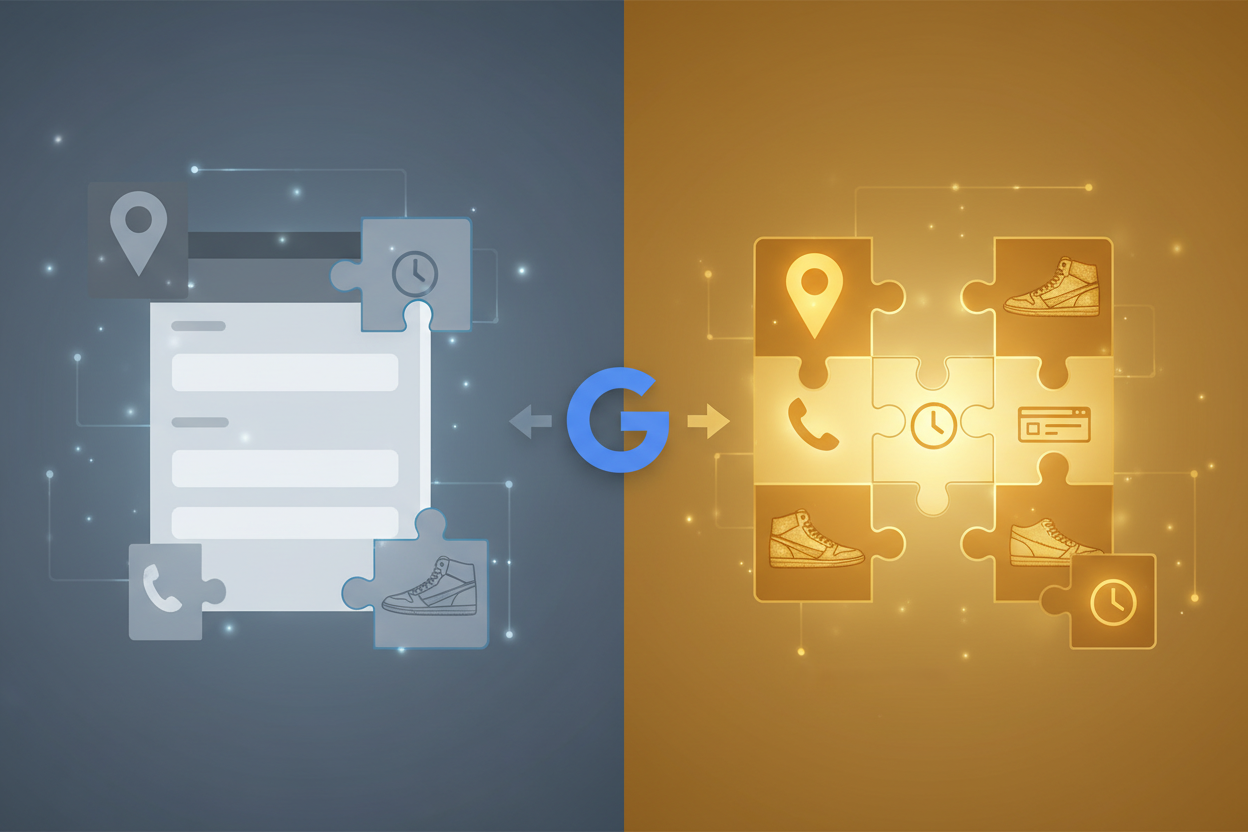
The beauty of local SEO lies in its intent-driven nature. People searching locally are often ready to take action – they’re not just browsing; they’re looking to buy, visit, or contact a business. This makes local SEO traffic incredibly valuable because it often converts at much higher rates than general organic traffic.
Claiming and Optimizing Your Google Business Profile
Your Google Business Profile (formerly Google My Business) is arguably the most important element of your local SEO strategy. It’s like your business card, billboard, and customer service desk all rolled into one powerful tool that sits right in Google’s search results.
Start by claiming your listing if you haven’t already done so. Head over to Google Business Profile and search for your business. If it exists, claim it. If it doesn’t, create a new listing. This process might seem straightforward, but many business owners make critical mistakes that can hurt their local rankings.
When filling out your profile, completeness is key. Google rewards businesses that provide comprehensive information. Include your exact business name, complete address, phone number, website URL, business hours, and a detailed description of what you do. Don’t just write “We sell shoes” – explain what makes your shoe store special, what brands you carry, and what kind of service customers can expect.
Choose your business categories carefully. Your primary category should be the most accurate description of what you do, while additional categories can help you appear for related searches. A restaurant might choose “Italian Restaurant” as primary and add “Pizza Place” and “Wine Bar” as secondary categories.
Photos can make or break your local SEO efforts. Businesses with photos receive 42% more requests for driving directions and 35% more click-throughs to their websites. Upload high-quality images of your storefront, interior, products, team, and customers enjoying your services. Keep these photos fresh and updated regularly.
Building Local Citations and NAP Consistency
Citations are mentions of your business name, address, and phone number (NAP) across the web. Think of them as digital references that help search engines verify your business’s legitimacy and location. The more consistent and widespread these citations are, the more confident search engines become about your business information.
Consistency is absolutely crucial here. If your Google Business Profile lists your address as “123 Main Street” but your website shows “123 Main St,” search engines might think these are different businesses. This confusion can seriously hurt your local rankings.
Start by auditing your existing citations. Search for your business name and look for any listings with incorrect or inconsistent information. Common citation sources include Yelp, Yellow Pages, Better Business Bureau, industry-specific directories, and local chamber of commerce websites.
Focus on quality over quantity when building citations. A listing on a reputable, high-authority site in your industry is worth more than dozens of listings on low-quality directories. For a restaurant, a citation on OpenTable or Zomato carries more weight than a generic business directory that nobody uses.
Don’t forget about local citations specific to your area. Many cities and regions have their own business directories, local news websites, and community pages where you can list your business. These local citations can be particularly powerful because they signal strong community ties to search engines.
Creating Location-Focused Content
Content marketing takes on a unique flavor when you’re focusing on local SEO. Your content should speak directly to your local community, addressing their specific needs, interests, and challenges while naturally incorporating location-based keywords.
Start by creating content around local events, news, and topics that matter to your community. If you’re a fitness center in Austin, write about the best running trails in the city or how to stay active during Austin’s hot summers. This type of content naturally attracts local readers and signals to search engines that you’re deeply connected to your community.
Location pages are essential if you serve multiple areas. Create dedicated pages for each city, neighborhood, or region you serve. But here’s the key – don’t just duplicate the same content and swap out city names. Each location page should offer unique, valuable information about that specific area and how your services relate to it.
Customer stories and case studies with local angles work incredibly well for local SEO. Share success stories from customers in your area, highlighting specific challenges that are common in your region and how you solved them. This approach builds trust while naturally incorporating local keywords and demonstrating your expertise in the local market.
Consider creating resource guides that are specifically helpful for people in your area. A real estate agent might create a comprehensive guide to the best schools in their city, while a landscaping company could write about plants that thrive in the local climate. This type of content positions you as a local expert and attracts links from other local websites.
Managing Online Reviews and Reputation
Online reviews have become the digital equivalent of word-of-mouth recommendations, and they play a massive role in local SEO rankings. Google considers both the quantity and quality of reviews when determining local search rankings, making review management a critical component of your local SEO strategy.
The first step is making it easy for satisfied customers to leave reviews. Don’t be shy about asking – most happy customers are willing to help, but they need to be reminded and guided through the process. Send follow-up emails after purchases or services with direct links to your Google Business Profile review section.
Timing matters when requesting reviews. Ask when the positive experience is fresh in the customer’s mind, ideally within a day or two of their interaction with your business. For service-based businesses, this might be right after completing a project. For retail businesses, it could be a few days after delivery.
Responding to reviews – both positive and negative – shows that you care about customer feedback and are actively engaged with your community. Thank customers for positive reviews and address any concerns raised in negative reviews professionally and constructively. Your responses are public, so they’re an opportunity to showcase your customer service to future customers.
Don’t try to game the system by buying fake reviews or incentivizing reviews inappropriately. Google’s algorithms are sophisticated enough to detect unnatural review patterns, and the penalties can be severe. Focus on genuinely improving your customer experience, and the positive reviews will follow naturally.
Technical Local SEO Optimization
While much of local SEO happens off your website, there are several technical optimizations you can make to your site that will boost your local search performance. These technical elements help search engines understand your business’s location and relevance to local searches.
Schema markup is like giving search engines a detailed instruction manual about your business. Local business schema tells search engines exactly what type of business you are, where you’re located, your hours of operation, and other crucial details. This structured data can help your business appear in rich snippets and improve your visibility in local search results.
Your website’s contact page deserves special attention for local SEO. Include your complete NAP information, embed a Google Map showing your location, and consider adding local landmarks or directions that help people find you. This page should be easily accessible from your main navigation and linked from your footer on every page.
Mobile optimization isn’t just important for local SEO – it’s essential. Local searches are predominantly mobile, with people searching while they’re on the go. Your website needs to load quickly, be easy to navigate on a small screen, and have click-to-call functionality for your phone number.
Page speed becomes even more critical for local businesses because mobile users are often in a hurry and have less patience for slow-loading sites. Optimize your images, minimize code, and choose a reliable hosting provider to ensure your site loads quickly across all devices.
Measuring Local SEO Success
Tracking your local SEO progress requires looking at different metrics than traditional SEO campaigns. While organic traffic and rankings are still important, local SEO success is often measured by more direct business outcomes like phone calls, direction requests, and in-store visits.
Google Business Profile insights provide valuable data about how customers find and interact with your business listing. You can see how many people viewed your profile, requested directions, visited your website, or called your business directly from the search results. These metrics give you a clear picture of your local search performance.
Local ranking tools can help you track where your business appears for important local keywords in different geographic areas. Remember that local search results can vary significantly based on the searcher’s exact location, so it’s important to track rankings from multiple locations within your service area.
Set up conversion tracking to measure the business impact of your local SEO efforts. This might include tracking phone calls from your website, form submissions from local landing pages, or even in-store visits if you have the right analytics setup. The goal is to connect your local SEO activities to real business outcomes.
Conclusion
Local SEO isn’t a one-time project – it’s an ongoing process that requires consistent attention and refinement. But the effort is absolutely worth it. In a world where consumers increasingly rely on local search to find businesses, having a strong local SEO presence can be the difference between thriving and struggling to survive.
Start with the fundamentals: claim and optimize your Google Business Profile, ensure NAP consistency across the web, and create location-focused content that serves your community. Build on these foundations by actively managing your online reputation, implementing technical optimizations, and consistently measuring your progress.
Remember that local SEO is ultimately about connecting with your community. The businesses that succeed in local search are those that genuinely serve their local customers well and build strong relationships within their communities. Focus on providing exceptional value to your local market, and the search engine rankings will follow naturally.
The local search landscape continues to evolve, with new features and algorithms regularly changing how businesses appear in search results. Stay informed about these changes, but don’t lose sight of the core principle: local SEO success comes from being genuinely useful and relevant to the people in your community who are searching for what you offer.
No More BS – Get a FREE Consultation
No more BS. Let’s talk real world $#!+ about what you need. You’ll meet with our top dog, and you’ll leave with a better understanding of what you need to do, and how RyCOM might help.