
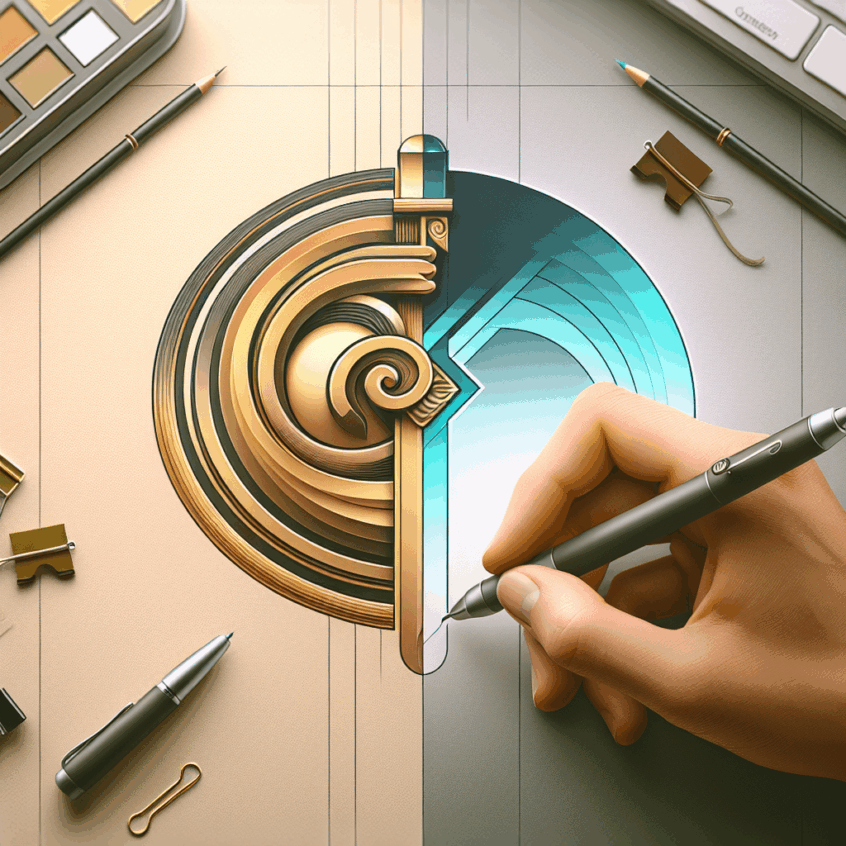
Logo Redesign: Balancing Tradition and Innovation
In the ever-evolving landscape of branding, logo redesign stands as a crucial task that many companies face. It’s a delicate dance between retaining brand heritage and embracing modernity. Logo redesign isn’t just about changing colors or shapes; it’s about encapsulating the spirit of a brand in a way that resonates with both long-time loyalists and new audiences. In this blog post, we’ll explore how businesses can successfully balance tradition and innovation in logo redesign.
Understanding the Importance of a Logo
A logo is more than a mere graphic; it is the face of a brand. It carries the essence of a company’s identity and values, making it recognizable and memorable to consumers. As the first point of contact, a logo plays a significant role in forming a customer’s perception. Therefore, a well-crafted logo can foster brand loyalty and trust, while a poorly designed one can lead to confusion or disinterest.
The Need for Logo Redesign: Recognizing the Signs
Businesses may feel the need to redesign their logos for various reasons. Perhaps the existing design feels outdated, or the company has undergone significant changes such as mergers, rebranding, or shifts in market strategy. Other times, technological advancements or a desire to appeal to a new demographic may drive the decision. It’s essential to recognize these signs early and act accordingly to maintain brand relevance.

Balancing Tradition with Modernity: The Core Challenge
The central challenge in logo redesign is finding a sweet spot between tradition and innovation. On one hand, tradition offers a sense of security and familiarity. It connects the present with the past, reminding customers of the brand’s legacy. On the other hand, innovation is crucial in capturing the attention of a modern audience. It signals growth, adaptability, and a forward-thinking approach.
Steps to Achieve a Balanced Logo Redesign
Research and Analysis
Before diving into the creative process, it’s vital to conduct thorough research. Analyze the existing logo to understand what works and what doesn’t. Examine competitor logos to identify industry trends and gather inspiration. This research will provide a foundation for informed decision-making during the redesign process.
Define Core Brand Values
Understanding your brand’s core values is essential in maintaining a connection to tradition. What does your brand stand for? What feelings do you want your logo to evoke? By clearly defining these values, you ensure that the redesigned logo remains true to the brand’s essence while incorporating modern elements.
Involve Stakeholders
Logo redesign is not a task to be undertaken in isolation. Involve stakeholders from different departments to gather diverse perspectives. Their input can provide valuable insights into what the logo should represent and how it can appeal to different audience segments.
Experiment with Design Elements
Once the groundwork is laid, start experimenting with design elements. Consider modern typography, fresh color palettes, and contemporary shapes that align with the brand’s identity. However, ensure that these elements are not so radical that they alienate existing customers. Striking this balance is key to a successful redesign.
Test and Iterate
Testing is a crucial phase in the redesign process. Create prototypes and gather feedback from focus groups. This feedback will help refine the design until it perfectly encapsulates the balance between tradition and innovation. Iteration is vital; don’t rush this process, as the final result should feel both fresh and familiar.
Case Studies: Successful Logo Redesigns
Looking at successful logo redesigns can provide valuable insights. Consider brands like Coca-Cola, which has managed to modernize its logo over the years while maintaining its classic appeal. Another example is Apple, whose logo has evolved significantly but remains instantly recognizable. These brands have mastered the art of blending tradition with innovation, offering inspiration for your redesign journey.
Conclusion: Embrace Change, Respect Heritage
Logo redesign is a complex yet rewarding process. It requires a delicate balance of respecting brand heritage while embracing change to stay relevant in a dynamic market. By following a structured approach and involving key stakeholders, businesses can create logos that not only resonate with today’s consumers but also honor the brand’s legacy.
In the end, a successful logo redesign is one that tells a story: a story of where the brand has been, where it stands now, and where it is heading. By achieving this balance, you ensure that your logo remains a powerful symbol of your brand’s identity for years to come.
No More BS – Get a FREE Consultation
No more BS. Let’s talk real world $#!+ about what you need. You’ll meet with our top dog, and you’ll leave with a better understanding of what you need to do, and how RyCOM might help.