

Marketing Automation: How AI is Revolutionizing the Field
Remember when marketing meant sending the same generic email to thousands of people and hoping for the best? Those days are quickly becoming a distant memory. Today’s marketing landscape is being transformed by artificial intelligence in ways that would have seemed like science fiction just a decade ago. AI-powered marketing automation isn’t just changing how we reach customers—it’s completely revolutionizing what’s possible in the field of marketing.
The marriage of artificial intelligence and marketing automation has created opportunities that extend far beyond simple email scheduling. We’re talking about systems that can predict customer behavior, personalize experiences at scale, and make real-time decisions that would take human marketers hours or days to process. This isn’t just evolution; it’s a complete paradigm shift that’s reshaping how businesses connect with their audiences.
Understanding AI-Powered Marketing Automation
At its core, AI-powered marketing automation combines machine learning algorithms with traditional marketing tools to create smarter, more responsive campaigns. Unlike conventional automation that follows predetermined rules, AI systems learn from data patterns and continuously improve their performance without human intervention.
Think of it this way: traditional marketing automation is like a very sophisticated alarm clock—it does exactly what you program it to do, when you program it to do it. AI-powered automation, on the other hand, is more like having a brilliant marketing assistant who never sleeps, constantly analyzes customer data, and makes intelligent decisions based on what they learn.
These systems can process massive amounts of customer data in real-time, identifying patterns that human marketers might miss entirely. They can track how customers interact with emails, websites, social media posts, and advertisements, then use this information to predict future behavior and optimize marketing strategies accordingly.
Key AI Technologies Transforming Marketing Automation
Several specific AI technologies are driving this transformation, each bringing unique capabilities to the marketing automation toolkit. Machine learning algorithms form the backbone of most AI marketing systems, enabling platforms to identify patterns in customer behavior and continuously refine their approaches based on new data.
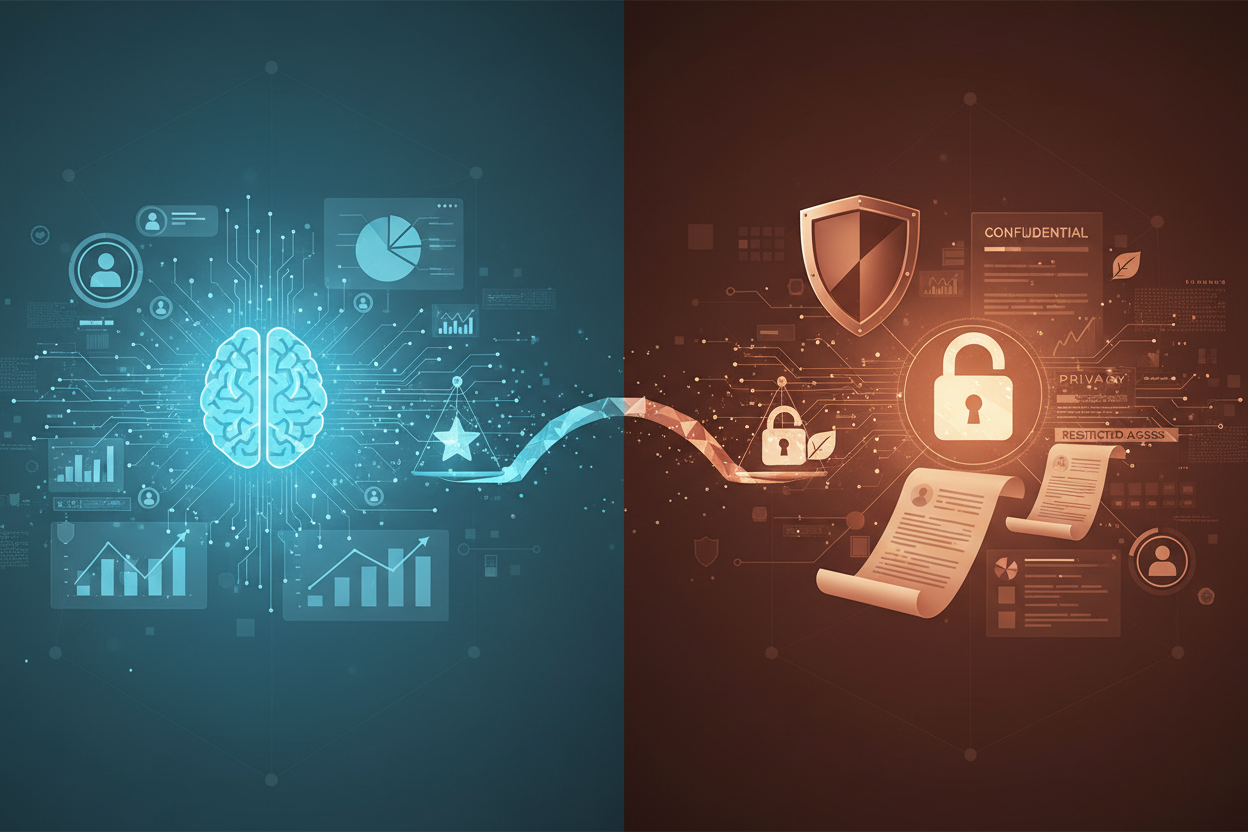
Natural language processing has revolutionized how businesses interact with customers through chatbots and automated customer service systems. These AI-powered tools can understand context, sentiment, and intent in customer communications, providing personalized responses that feel genuinely human.
Predictive analytics represents another game-changing technology, allowing marketers to forecast customer behavior with remarkable accuracy. These systems can predict which customers are most likely to make a purchase, when they’re likely to buy, and even what products they’ll be interested in before they know it themselves.
Computer vision technology is also making waves, particularly in social media marketing and content creation. AI systems can now analyze images and videos to understand brand sentiment, track logo appearances, and even generate visual content that resonates with specific audience segments.
Personalization at Scale: The AI Advantage
Perhaps nowhere is AI’s impact more pronounced than in personalization. Traditional marketing automation could segment audiences into broad categories, but AI takes personalization to an entirely new level by creating unique experiences for individual customers.
Modern AI systems can analyze hundreds of data points about each customer—their browsing history, purchase patterns, social media activity, email engagement, and much more—to create detailed behavioral profiles. These profiles enable marketers to deliver content, product recommendations, and offers that feel tailor-made for each individual.
Consider how streaming services like Netflix use AI to recommend content. The same principles are now being applied to marketing automation, where AI systems can recommend products, customize email content, and even adjust website layouts in real-time based on individual visitor behavior.
This level of personalization was simply impossible with traditional automation tools. Human marketers couldn’t possibly analyze the behavior patterns of thousands or millions of customers individually, but AI systems handle this complexity effortlessly, creating personalized experiences at scale that drive significantly higher engagement and conversion rates.
Predictive Analytics and Customer Journey Optimization
One of the most powerful applications of AI in marketing automation is predictive analytics. These systems don’t just react to customer behavior—they anticipate it. By analyzing historical data and identifying patterns, AI can predict which customers are most likely to convert, which are at risk of churning, and what actions are most likely to drive desired outcomes.
This predictive capability transforms how marketers approach the customer journey. Instead of creating static, one-size-fits-all customer paths, AI enables dynamic journey optimization where each customer’s path is continuously adjusted based on their predicted behavior and preferences.
For example, if AI predicts that a customer is likely to abandon their shopping cart, it can automatically trigger a personalized retention campaign. If it identifies a customer who’s ready to make a high-value purchase, it can prioritize that lead for immediate sales follow-up. This proactive approach to customer journey management significantly improves conversion rates and customer satisfaction.
The technology also excels at identifying the optimal timing and channel for customer communications. AI systems can determine whether a customer is more likely to respond to an email, text message, or social media ad, and when they’re most likely to be receptive to marketing messages.
Real-Time Decision Making and Campaign Optimization
Traditional marketing campaigns often required weeks or months of planning, execution, and analysis before marketers could determine their effectiveness and make adjustments. AI has compressed this timeline dramatically, enabling real-time campaign optimization that can improve performance while campaigns are still running.
AI-powered systems continuously monitor campaign performance across multiple channels and automatically make adjustments to improve results. They can modify ad targeting, adjust bid strategies, test different creative elements, and optimize send times without human intervention.
This real-time optimization capability extends to content creation as well. AI systems can automatically test different subject lines, email content, and call-to-action buttons, quickly identifying which variations perform best and automatically implementing the winning combinations.
The speed and accuracy of these real-time optimizations far exceed what human marketers could achieve manually. While a human might test a few variations over several weeks, AI systems can test hundreds of variations simultaneously and implement optimizations within hours or even minutes.
Enhanced Customer Segmentation and Targeting
AI has revolutionized customer segmentation by moving beyond traditional demographic and behavioral categories to create more sophisticated and accurate customer groups. Machine learning algorithms can identify subtle patterns in customer data that humans might overlook, creating segments based on complex behavioral indicators and preferences.
These AI-driven segments are more precise and actionable than traditional segmentation methods. Instead of broad categories like “millennials interested in fitness,” AI can create highly specific segments like “urban professionals aged 28-34 who purchase organic products online between 7-9 PM and respond positively to sustainability messaging.”
Dynamic segmentation is another AI advantage, where customer segments are continuously updated as new data becomes available. This ensures that marketing messages remain relevant and targeted as customer preferences and behaviors evolve over time.
The improved targeting capabilities that result from AI-enhanced segmentation lead to higher engagement rates, better conversion rates, and more efficient use of marketing budgets. Marketers can focus their efforts on the most promising prospects while avoiding wasted spend on unlikely converters.
Challenges and Considerations in AI Marketing Automation
While AI marketing automation offers tremendous benefits, it’s not without challenges. Data privacy concerns have become increasingly important as AI systems require access to large amounts of customer data to function effectively. Marketers must navigate complex privacy regulations while ensuring they have sufficient data to power their AI systems.
The quality of AI-driven marketing automation is heavily dependent on data quality. Poor or incomplete data can lead to inaccurate predictions and ineffective campaigns. Organizations must invest in proper data collection, cleaning, and management processes to maximize the effectiveness of their AI systems.
There’s also the challenge of maintaining the human touch in an increasingly automated marketing environment. While AI excels at data analysis and optimization, human creativity and strategic thinking remain crucial for developing compelling brand stories and emotional connections with customers.
Integration complexity represents another significant challenge, as many organizations struggle to integrate AI tools with existing marketing technology stacks. This often requires significant technical expertise and careful planning to ensure smooth implementation and operation.
The Future of AI in Marketing Automation
Looking ahead, AI’s role in marketing automation will only continue to expand. Emerging technologies like advanced natural language generation will enable AI systems to create more sophisticated and engaging content automatically. Voice AI and conversational marketing will become more prevalent as smart speakers and voice assistants become ubiquitous.
We’re also likely to see more sophisticated emotional AI that can better understand and respond to customer emotions and sentiment. This will enable even more nuanced personalization and customer experience optimization.
The integration of AI with emerging technologies like augmented reality and virtual reality will create new possibilities for immersive, personalized marketing experiences. These technologies will enable brands to create virtual showrooms, product demonstrations, and interactive experiences tailored to individual customer preferences.
As AI systems become more sophisticated, we can expect to see greater automation of strategic marketing decisions, not just tactical execution. AI may eventually help marketers develop comprehensive marketing strategies, identify new market opportunities, and make high-level budget allocation decisions.
Conclusion
The integration of artificial intelligence into marketing automation represents one of the most significant advances in marketing technology we’ve seen in decades. From personalization at scale to predictive analytics and real-time optimization, AI is enabling marketing capabilities that were previously impossible.
While challenges around data privacy, integration complexity, and maintaining human creativity remain, the benefits of AI-powered marketing automation far outweigh the obstacles. Organizations that embrace these technologies now will have significant competitive advantages in reaching and engaging their customers more effectively.
The future of marketing automation is undoubtedly AI-driven, and this transformation is happening faster than many anticipated. Marketers who understand and leverage these AI capabilities will be better positioned to create meaningful customer relationships, drive business growth, and stay ahead in an increasingly competitive marketplace. The question isn’t whether AI will revolutionize marketing automation—it’s how quickly organizations can adapt to harness its full potential.
No More BS – Get a FREE Consultation
No more BS. Let’s talk real world $#!+ about what you need. You’ll meet with our top dog, and you’ll leave with a better understanding of what you need to do, and how RyCOM might help.