
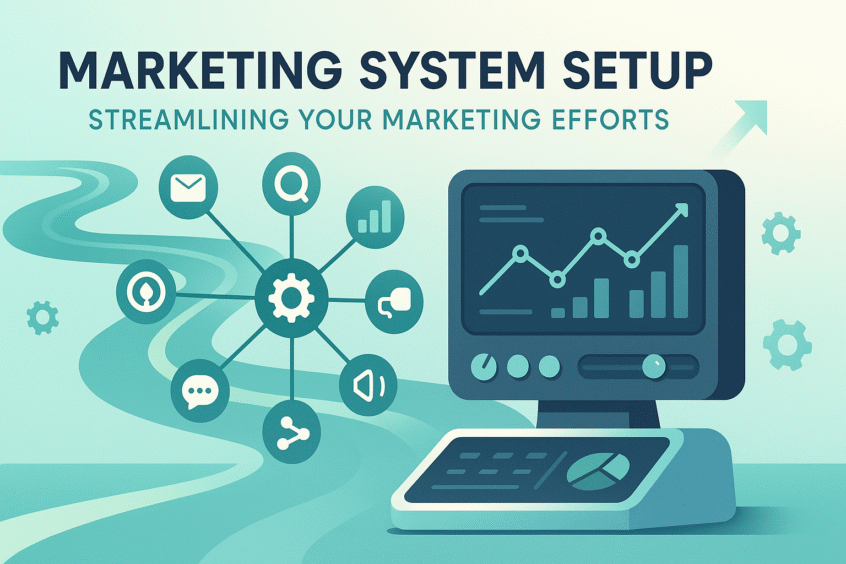
Marketing System Setup: Streamlining Your Marketing Efforts
In today’s fast-paced digital world, having a robust marketing system in place is more crucial than ever. Whether you’re a small business owner or a seasoned marketing professional, streamlining your marketing efforts can significantly enhance your productivity and results. This guide will walk you through the steps necessary to set up an effective marketing system that optimizes your resources and maximizes your impact.
Understanding the Importance of a Marketing System
A well-structured marketing system serves as the backbone of your marketing strategy. It allows you to manage various components of your marketing efforts efficiently, from content creation and distribution to analytics and reporting. Without a streamlined system, you risk wasting valuable time and resources on disorganized and ineffective campaigns.
Taking the time to set up a marketing system can help you automate repetitive tasks, improve communication within your team, and ultimately achieve better results with less effort. Let’s dive into the essential components of a successful marketing system setup.
Identifying Your Marketing Goals
Before implementing any system, it is vital to identify your marketing goals. Are you looking to increase brand awareness, generate more leads, or boost sales? Defining your objectives clearly will guide you in choosing the right tools and strategies to incorporate into your system.

Consider creating SMART (Specific, Measurable, Achievable, Relevant, Time-bound) goals to provide a clear roadmap for your marketing efforts. Having well-defined goals will not only help you measure success but also keep your team focused on what truly matters.
Choosing the Right Tools
With a plethora of marketing tools available today, it’s essential to choose those that align with your business needs and goals. Here are some key categories to consider:
Email Marketing Tools
Email marketing remains one of the most effective channels for reaching your audience. Tools like Mailchimp, Constant Contact, and SendinBlue offer automation features that can save you time and help maintain consistent communication with your prospects and customers.
Social Media Management Tools
Social media platforms are invaluable for engaging with your audience and promoting your brand. Tools such as Hootsuite, Buffer, and Sprout Social can help you schedule posts, track engagement, and analyze performance across various platforms, all in one place.
Content Management Systems (CMS)
A robust CMS like WordPress or HubSpot allows you to create, manage, and optimize your content efficiently. These platforms offer plugins and integrations that can enhance your website’s functionality and improve your search engine rankings.
Analytics and Reporting Tools
Measuring the success of your marketing efforts is crucial for continuous improvement. Google Analytics, SEMrush, and Moz provide insights into your website’s performance, SEO effectiveness, and overall marketing strategy. These tools enable you to make data-driven decisions and refine your approach.
Automating Your Marketing Processes
Automation is a game-changer when it comes to streamlining your marketing efforts. By automating repetitive tasks, you free up time to focus on strategic initiatives. Here are some areas where automation can make a significant impact:
Email Campaigns
Set up automated email sequences to nurture leads and guide them through the sales funnel. Personalize content based on user behavior and preferences to increase engagement and conversion rates.
Social Media Scheduling
Automate your social media posting to ensure a consistent presence without the need for daily manual updates. Use analytics to determine the best times to post for maximum reach and engagement.
Lead Generation and Nurturing
Implement lead scoring and nurturing workflows to automatically qualify and engage prospects based on their interactions with your brand. This ensures that your sales team focuses on the most promising leads.
Fostering Team Collaboration
Effective collaboration within your marketing team is essential for a streamlined process. Utilize project management tools like Asana, Trello, or Monday.com to organize tasks, set deadlines, and communicate efficiently. Regular team meetings and open channels for feedback will also enhance collaboration and ensure everyone is aligned with the marketing goals.
Monitoring and Adjusting Your Strategy
Once your marketing system is up and running, it is crucial to regularly monitor its performance. Use the analytics tools mentioned earlier to track key metrics and gain insights into what’s working and what needs improvement.
Be prepared to adjust your strategy as needed based on these insights. The digital landscape is constantly evolving, and staying flexible will help you maintain a competitive edge.
Conclusion
Setting up a streamlined marketing system is a powerful way to boost your marketing efforts and achieve your business goals. By understanding your objectives, selecting the right tools, automating processes, fostering collaboration, and continuously monitoring performance, you can create an efficient and effective marketing machine.
Remember, the key to success is not only in the setup but in the ongoing maintenance and refinement of your marketing system. Stay engaged with your team, stay informed about industry trends, and stay committed to delivering value to your audience. With these strategies in place, you’re well on your way to transforming your marketing efforts and driving impressive results.
No More BS – Get a FREE Consultation
No more BS. Let’s talk real world $#!+ about what you need. You’ll meet with our top dog, and you’ll leave with a better understanding of what you need to do, and how RyCOM might help.