
Print Design Services: Choosing the Right Materials for Your Project
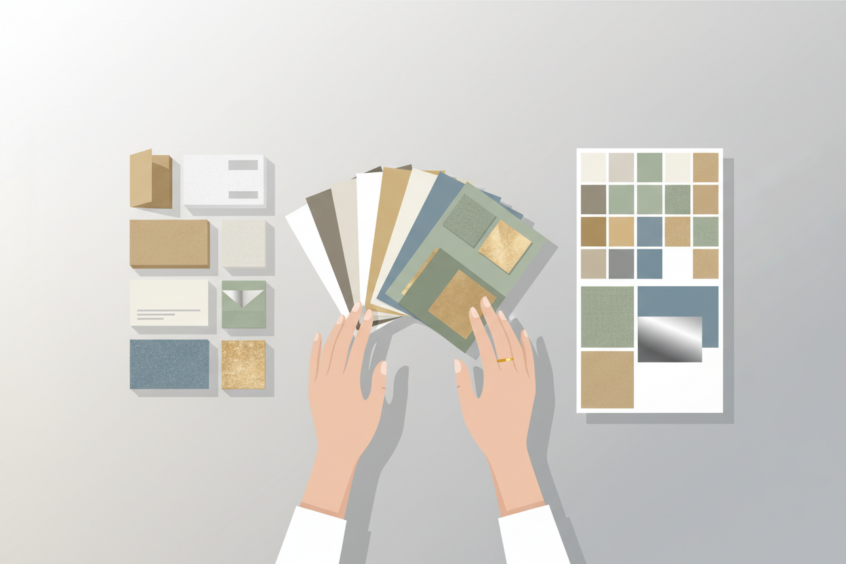
When you’re investing in professional print design services, the materials you choose can make or break your project. I’ve seen countless beautiful designs fall flat because someone cut corners on paper quality, and I’ve witnessed mediocre artwork transformed into stunning pieces through smart material selection. Whether you’re creating business cards, brochures, packaging, or large-format displays, understanding your material options is crucial for achieving the impact you’re after.
The truth is, your choice of printing materials affects everything from durability and appearance to cost and environmental impact. It’s not just about picking the cheapest option or going with what your designer suggests without question. The best print design services will guide you through these decisions, but having your own understanding helps ensure you get exactly what you need for your specific goals and budget.
Understanding Paper Weight and Thickness
One of the first decisions you’ll face is paper weight, and this choice significantly impacts how your printed materials feel and perform. Paper weight is measured in GSM (grams per square meter) or sometimes in pounds, and the difference between a 120 GSM and 350 GSM business card is immediately noticeable when someone picks it up.
For business cards and postcards, I typically recommend staying between 300-400 GSM. This range provides that satisfying substantial feel that suggests quality and professionalism. Anything lighter feels flimsy, while anything heavier can become impractical for wallets and card holders. Brochures work well in the 150-250 GSM range, giving you enough body to feel substantial while remaining easy to fold and handle.
When working with print design services, don’t just focus on the number. Ask to feel samples of different weights. The tactile experience tells you more than specifications ever could. A 300 GSM coated paper feels very different from 300 GSM uncoated stock, and both serve different purposes depending on your design goals.

Coated vs Uncoated Paper: Making the Right Choice
The coating on paper dramatically affects both appearance and functionality. Coated papers come in gloss, satin, and matte finishes, each offering distinct advantages for different types of print projects.
Gloss coating provides the most vibrant colors and sharpest image reproduction. It’s perfect for photography-heavy materials like product catalogs or art prints where you want colors to pop. However, gloss shows fingerprints easily and can create glare under certain lighting conditions. I’ve learned this the hard way when creating materials for trade shows where booth lighting made glossy brochures difficult to read.
Matte coating offers a more subdued, elegant appearance that’s easier to read under various lighting conditions. It’s my go-to choice for text-heavy materials like annual reports or instruction manuals. The surface is also more pleasant to write on, making it ideal for forms or materials where customers might need to add notes.
Uncoated papers provide the most natural feel and are excellent for materials where readability is paramount. They’re also more environmentally friendly and work better with certain printing techniques. However, they absorb ink more readily, which can make colors appear less vibrant and images less sharp.
Specialty Finishes That Make an Impact
Sometimes your print design services project calls for something beyond standard paper options. Specialty finishes can transform ordinary printed materials into memorable experiences that recipients actually want to keep.
Spot UV coating allows you to add glossy accents to specific areas of a matte piece, creating interesting textural contrast. I’ve used this technique to highlight logos or important text elements, and the effect never fails to impress. It’s more cost-effective than full UV coating while still providing that premium feel.
Embossing and debossing create raised or recessed areas that add a tactile dimension to your materials. These techniques work particularly well for luxury brands or formal invitations where you want to convey sophistication. The key is using them strategically rather than overdoing the effect.
Foil stamping adds metallic or colored foil accents that catch light and draw attention. Gold and silver are classic choices, but colored foils can create unique effects that align with brand colors. The process requires careful planning with your print design services provider, as foil elements need to be designed with the stamping process in mind.
Sustainable Material Options
Environmental consciousness is no longer optional for many businesses and organizations. Fortunately, sustainable printing materials have improved dramatically in recent years, offering eco-friendly options without compromising quality.
Recycled papers now come in weights and finishes that rival virgin paper stocks. Post-consumer recycled content papers are widely available in professional grades, and many clients can’t tell the difference in the final product. Some recycled papers even have unique textures that add character to designs.
FSC-certified papers ensure that your materials come from responsibly managed forests. This certification provides peace of mind for environmentally conscious brands and often resonates well with customers who share those values.
Tree-free alternatives like bamboo, hemp, or cotton papers offer interesting textures and environmental benefits. These materials often cost more than traditional options, but they can differentiate your brand and appeal to specific audiences who prioritize sustainability.
Large Format and Display Materials
When your print design services project involves banners, posters, or trade show displays, material selection becomes even more critical. These pieces need to withstand handling, weather, or extended display periods while maintaining their appearance.
Vinyl banners remain popular for outdoor use due to their durability and weather resistance. Modern eco-solvent and latex inks produce vibrant colors that resist fading, even under direct sunlight. For indoor applications, fabric banners offer a more upscale appearance and better portability.
Rigid substrates like foam core, corrugated plastic, or aluminum composite panels work well for signs and displays that need to maintain their shape. Each material has specific advantages: foam core is lightweight and cost-effective for temporary displays, while aluminum composite provides durability for permanent installations.
For trade shows and events, consider materials that balance visual impact with practical concerns like shipping weight and setup complexity. Retractable banner materials need to be flexible enough to roll without cracking, while maintaining enough body to hang properly when displayed.
Budget Considerations and Value Engineering
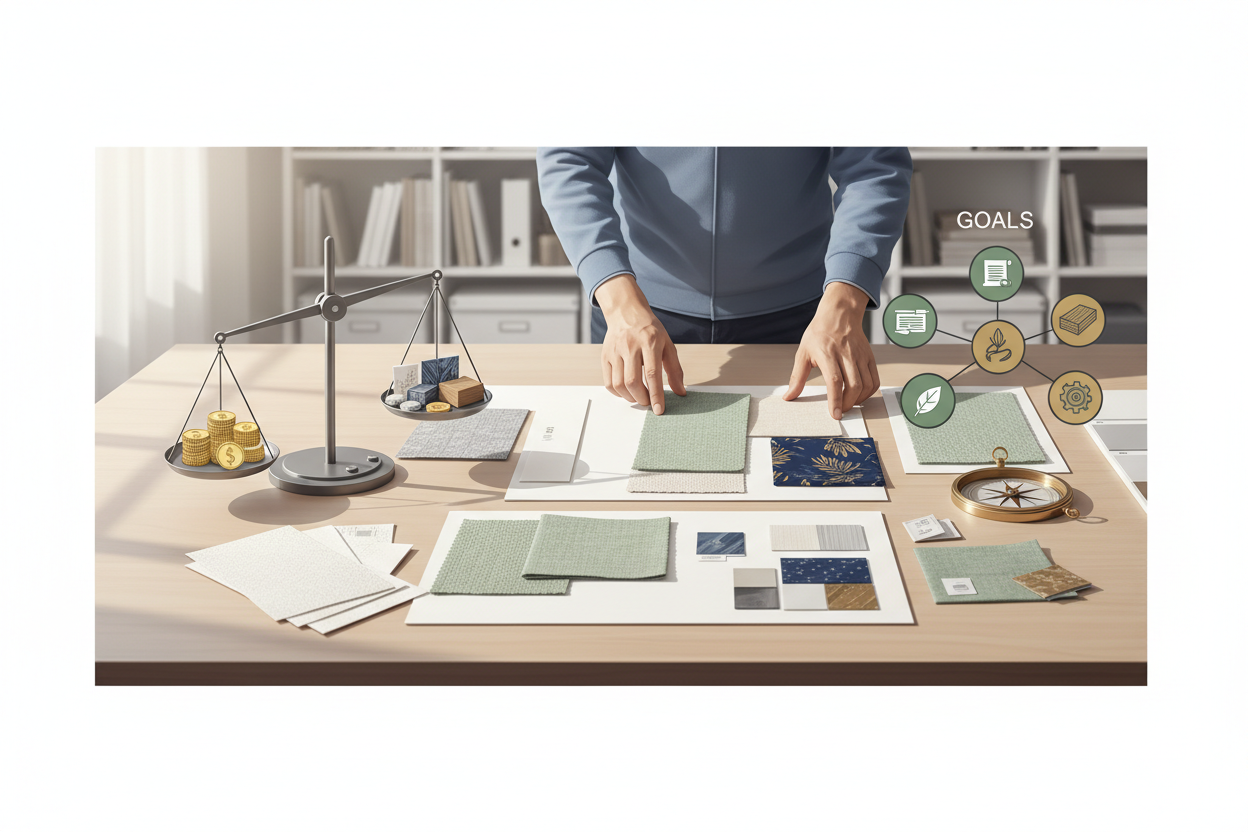
Working with print design services means balancing quality aspirations with budget realities. The key is understanding where to invest and where you can economize without compromising your project’s effectiveness.
For items with short lifespans like event flyers or promotional postcards, standard paper stocks often provide the best value. Save premium materials for pieces that represent your brand long-term, like business cards, presentation folders, or annual reports.
Quantity significantly affects per-unit costs, especially for specialty finishes. Sometimes upgrading to a premium material costs very little when spread across a large print run. Your print design services provider should help you understand these break points and optimize your specifications accordingly.
Consider the total cost of ownership, not just printing costs. A slightly more expensive, durable material might save money if it reduces reprinting frequency or shipping costs due to lighter weight.
Working with Your Print Design Services Provider
The best material decisions happen through collaboration between you, your designer, and your printing partner. Each brings different expertise to the table, and combining these perspectives leads to better outcomes.
Start material discussions early in the design process. Some printing techniques and finishes require specific design considerations, and it’s much easier to plan for these from the beginning than to retrofit a completed design.
Request physical samples whenever possible. Digital proofs show color and layout accurately, but they can’t convey the tactile qualities that make materials special. Most professional print design services maintain sample libraries and can create mock-ups using your actual materials.
Don’t hesitate to ask questions about alternatives. Experienced printers often know about newer materials or techniques that could improve your project or reduce costs. They might suggest a different approach that achieves your goals more effectively than your original specifications.
Quality Control and Testing
Before committing to large quantities, consider running test prints on your chosen materials. This step is particularly important for complex projects involving multiple colors, special inks, or finishing techniques.
Pay attention to how your specific design elements interact with the chosen material. Fine text might be less readable on heavily textured papers, while large solid color areas might show imperfections more readily on certain substrates.
Consider the end-user experience throughout the material selection process. Will business cards fit comfortably in standard wallets? Can brochures be folded cleanly without cracking? Will display materials withstand the handling they’ll receive during installation and use?
Choosing the right materials for your print design services project requires balancing multiple factors: aesthetic goals, budget constraints, environmental considerations, and practical requirements. The investment you make in understanding these options pays dividends in the final quality and effectiveness of your printed materials. Remember that the cheapest option isn’t always the most economical in the long run, and the most expensive isn’t necessarily the best for every application. Work closely with experienced print design services providers who can guide you through these decisions while keeping your specific goals and constraints in mind. With thoughtful material selection, your printed pieces will not only look professional but also perform their intended function effectively, creating positive impressions that reflect well on your brand or organization.
No More BS – Get a FREE Consultation
No more BS. Let’s talk real world $#!+ about what you need. You’ll meet with our top dog, and you’ll leave with a better understanding of what you need to do, and how RyCOM might help.