

Promotional Design: Creating a Memorable Campaign That Drives Results
In today’s saturated marketplace, standing out from the crowd isn’t just challenging—it’s absolutely essential for business survival. Every day, consumers are bombarded with countless promotional messages across digital platforms, print media, and physical spaces. The difference between a campaign that gets noticed and one that gets ignored often comes down to one crucial element: exceptional promotional design.
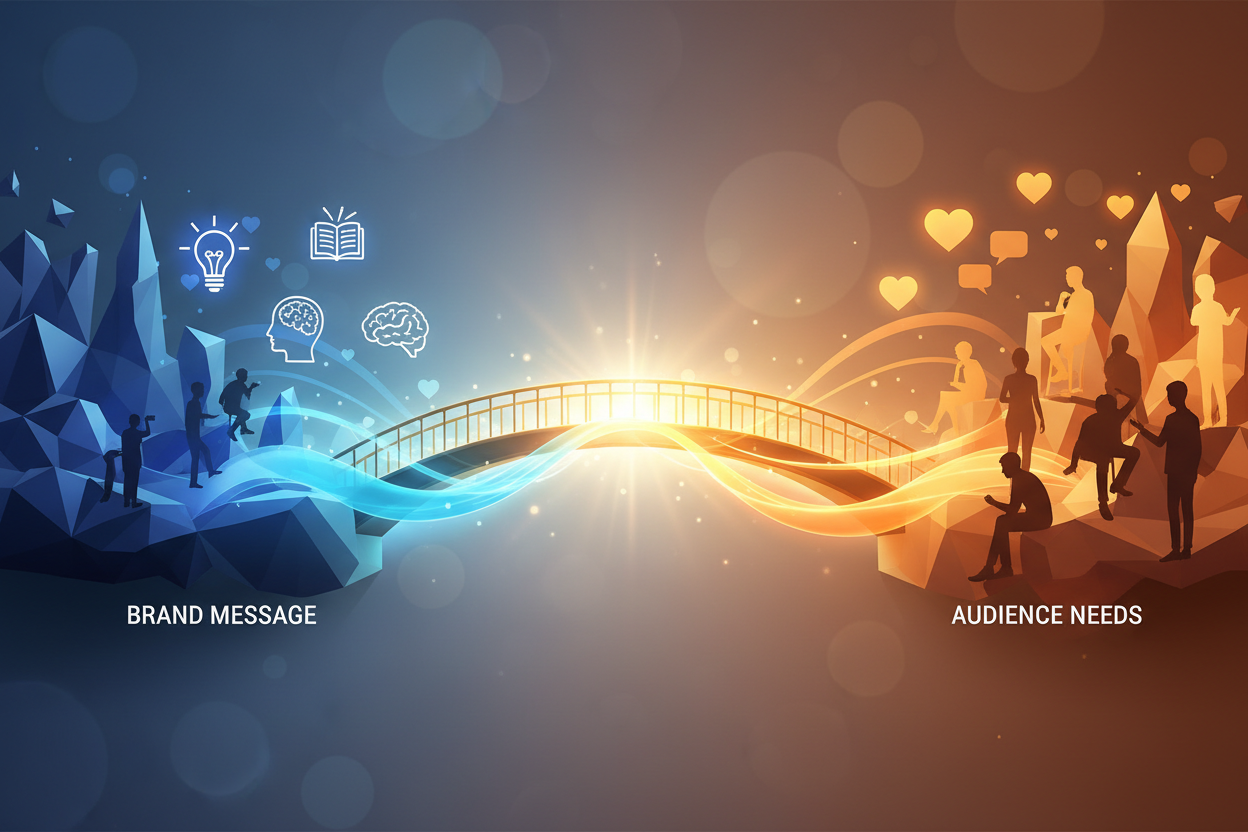
Creating a memorable promotional campaign requires more than just pretty visuals. It demands a strategic blend of creativity, psychology, and brand storytelling that resonates with your target audience on both emotional and practical levels. When done right, promotional design becomes the bridge that connects your brand’s message with your audience’s needs, creating lasting impressions that translate into meaningful business results.
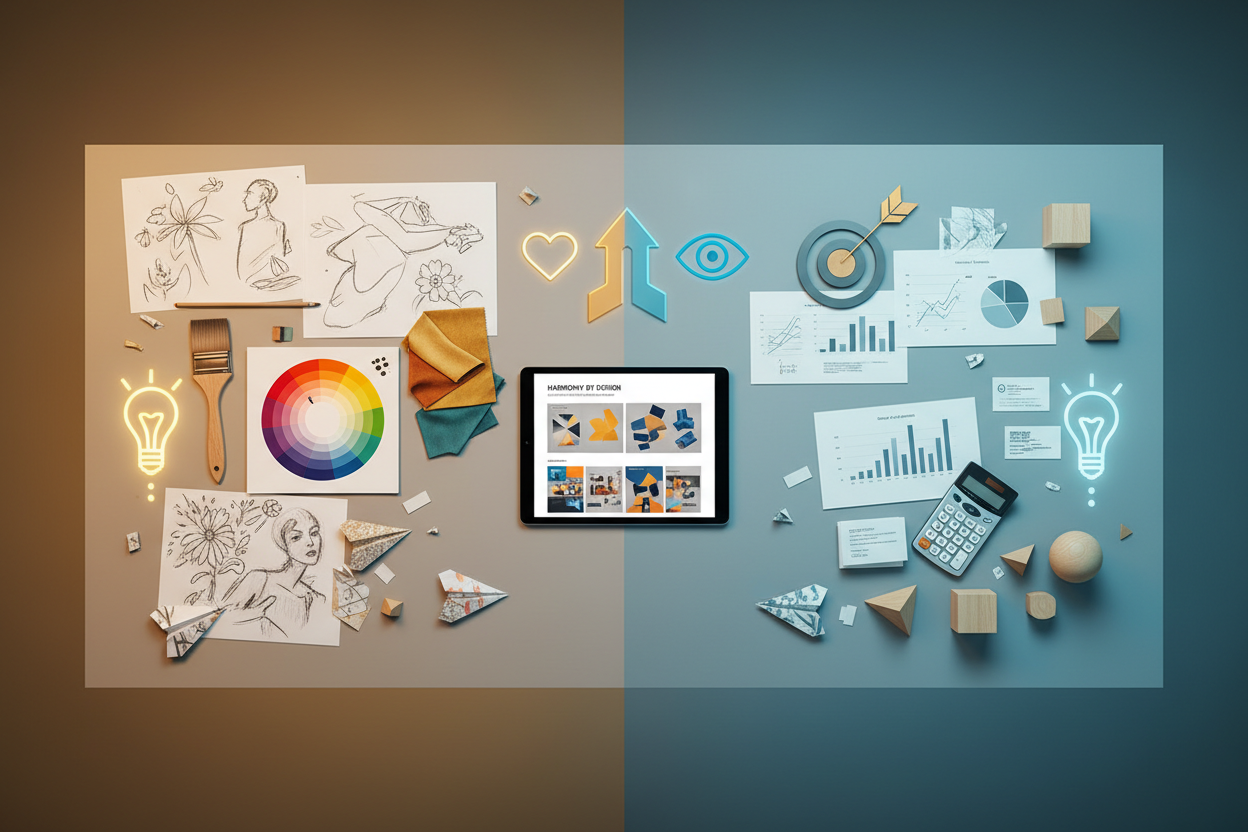
Understanding the Psychology Behind Memorable Promotional Design
Before diving into the technical aspects of design, it’s crucial to understand what makes people remember certain campaigns while forgetting others entirely. The human brain processes visual information remarkably quickly—within just 13 milliseconds—but creating a lasting impression requires tapping into deeper psychological triggers.
Color psychology plays a fundamental role in promotional design effectiveness. Red creates urgency and excitement, making it perfect for limited-time offers and clearance sales. Blue builds trust and reliability, which explains why financial institutions and healthcare companies favor it. Green suggests growth and prosperity, while orange combines the energy of red with the cheerfulness of yellow, creating an enthusiastic and confident impression.
Typography choices also influence how audiences perceive your message. Sans-serif fonts convey modernity and cleanliness, making them ideal for tech companies and minimalist brands. Serif fonts suggest tradition and reliability, perfect for established businesses wanting to emphasize their heritage. Script fonts add personality and elegance but should be used sparingly to maintain readability.
The principle of cognitive load is equally important. When promotional materials contain too much information or competing visual elements, the brain struggles to process the message effectively. Successful campaigns embrace white space and clear hierarchy, guiding the viewer’s eye through the design in a logical, comfortable manner.
Essential Elements of Effective Promotional Campaign Design
Every memorable promotional campaign shares certain fundamental characteristics that make it both visually appealing and strategically sound. Understanding these elements helps designers create materials that not only look professional but also achieve specific business objectives.
Visual hierarchy stands as the foundation of effective promotional design. This involves organizing elements by importance, using size, color, contrast, and positioning to guide viewers through your message. The most critical information—typically your main offer or call-to-action—should dominate the design, while supporting details occupy secondary positions.
Brand consistency ensures that your promotional materials reinforce your overall brand identity rather than confusing your audience. This means using your established color palette, fonts, logo placement, and tone of voice across all campaign elements. Consistency builds recognition and trust, making it easier for customers to identify and remember your brand.
Clear messaging is non-negotiable in promotional design. Your audience should understand your offer within seconds of viewing your material. This requires concise, benefit-focused copy that speaks directly to your target audience’s needs and desires. Avoid industry jargon and focus on what matters most to your customers.
Strategic use of imagery can make or break a promotional campaign. High-quality, relevant photos or illustrations should support your message rather than distract from it. Consider whether stock photos align with your brand personality or if custom imagery would better serve your campaign goals. Remember that people connect with faces, so including diverse, authentic human images often increases engagement.
Digital vs. Print: Adapting Your Design Strategy
The medium you choose for your promotional campaign significantly impacts design decisions. Digital and print materials each have unique advantages and constraints that smart designers leverage to maximize campaign effectiveness.
Digital promotional design offers incredible flexibility and interactivity options. You can incorporate animation, video elements, and clickable features that engage users in ways print simply cannot. However, digital designs must account for various screen sizes and resolutions, requiring responsive design principles that ensure your message looks great on everything from smartphones to large desktop monitors.
Loading speed becomes crucial for digital campaigns. Heavy graphics or complex animations might look impressive but can frustrate users if they take too long to load. Optimizing file sizes while maintaining visual quality requires careful balance and technical expertise.
Print promotional materials, while lacking interactivity, offer tangible benefits that digital cannot replicate. Physical materials have staying power—a well-designed brochure might sit on someone’s desk for weeks, providing repeated exposure to your message. Print also allows for unique tactile experiences through paper texture, special finishes, or die-cut shapes that create memorable physical interactions.
Color accuracy matters more in print, where what you see on screen might differ significantly from the final printed piece. Understanding color profiles and working with experienced printers ensures your promotional materials look exactly as intended.
Measuring Campaign Success and ROI
Creating beautiful promotional design means nothing if it doesn’t drive measurable business results. Establishing clear metrics before launching your campaign allows you to evaluate effectiveness and make data-driven improvements for future efforts.
For digital campaigns, tracking is relatively straightforward. Click-through rates, conversion rates, engagement metrics, and cost per acquisition provide concrete data about campaign performance. A/B testing different design elements—such as headlines, images, or call-to-action buttons—reveals what resonates most with your audience.
Print campaign measurement requires more creative approaches. Unique promotional codes, dedicated phone numbers, or specific landing pages mentioned only in print materials help track response rates. QR codes bridge the gap between print and digital, allowing for more sophisticated tracking while maintaining the tactile benefits of physical materials.
Beyond immediate metrics, consider long-term brand awareness and recognition improvements. Surveys and focus groups can provide valuable insights into how your promotional design affects brand perception and customer loyalty over time.
Common Pitfalls to Avoid in Promotional Design
Even experienced designers sometimes fall into traps that undermine campaign effectiveness. Being aware of these common mistakes helps ensure your promotional materials achieve their intended goals.
Overcomplicating the design is perhaps the most frequent error. When trying to include every possible piece of information or showcase multiple products, designers often create cluttered, confusing materials that fail to communicate clearly. Remember that promotional design should have one primary goal—whether that’s driving sales, building awareness, or encouraging sign-ups.
Ignoring your target audience represents another critical mistake. A design that appeals to teenagers might completely miss the mark with middle-aged professionals. Understanding your audience’s preferences, pain points, and communication styles should inform every design decision.
Weak or unclear calls-to-action doom many otherwise well-designed campaigns. Your audience should know exactly what you want them to do next, whether that’s visiting your website, calling a phone number, or visiting your store. Make these instructions prominent and compelling.
Finally, failing to test designs before full implementation can lead to costly mistakes. Whether it’s checking how materials look on different devices or ensuring print colors match your expectations, thorough testing prevents embarrassing errors and wasted resources.
Future Trends in Promotional Design
Staying ahead of design trends helps ensure your promotional campaigns feel fresh and relevant to modern audiences. While following every trend isn’t necessary, understanding emerging patterns can inform strategic design decisions.
Sustainability considerations increasingly influence promotional design choices. Eco-friendly printing methods, recyclable materials, and digital-first approaches appeal to environmentally conscious consumers. This trend extends beyond materials to include design philosophies that emphasize longevity over disposability.
Personalization technology enables more targeted promotional materials than ever before. Variable data printing allows for customized messages, images, or offers based on individual customer data. Digital platforms take this further, delivering personalized content in real-time based on user behavior and preferences.
Augmented reality integration is beginning to blur the lines between digital and physical promotional materials. QR codes and AR apps can bring print materials to life with interactive elements, videos, or 3D models that provide immersive brand experiences.
Creating memorable promotional campaigns requires balancing artistic vision with strategic thinking. The most successful designs don’t just look good—they communicate clearly, resonate emotionally, and drive specific actions that benefit your business. By understanding your audience, leveraging design psychology, and measuring results consistently, you can create promotional materials that cut through the noise and deliver real value to both your brand and your customers. Remember, great promotional design isn’t about following formulas—it’s about understanding principles and applying them creatively to solve unique business challenges.
No More BS – Get a FREE Consultation
No more BS. Let’s talk real world $#!+ about what you need. You’ll meet with our top dog, and you’ll leave with a better understanding of what you need to do, and how RyCOM might help.