

Promotional Design: The Art of Swag That Sells
Walk into any conference, trade show, or corporate event, and you’ll be bombarded with branded pens, tote bags, and stress balls. But here’s the thing – most of that promotional merchandise ends up forgotten in junk drawers or, worse, straight in the trash. The difference between forgettable freebies and memorable marketing gold lies in one crucial element: thoughtful promotional design.
Creating promotional products that people actually want to use isn’t just about slapping your logo on the cheapest item you can find. It’s an art form that requires understanding your audience, strategic thinking, and a keen eye for design. When done right, promotional merchandise becomes a powerful marketing tool that keeps your brand front and center in customers’ daily lives.
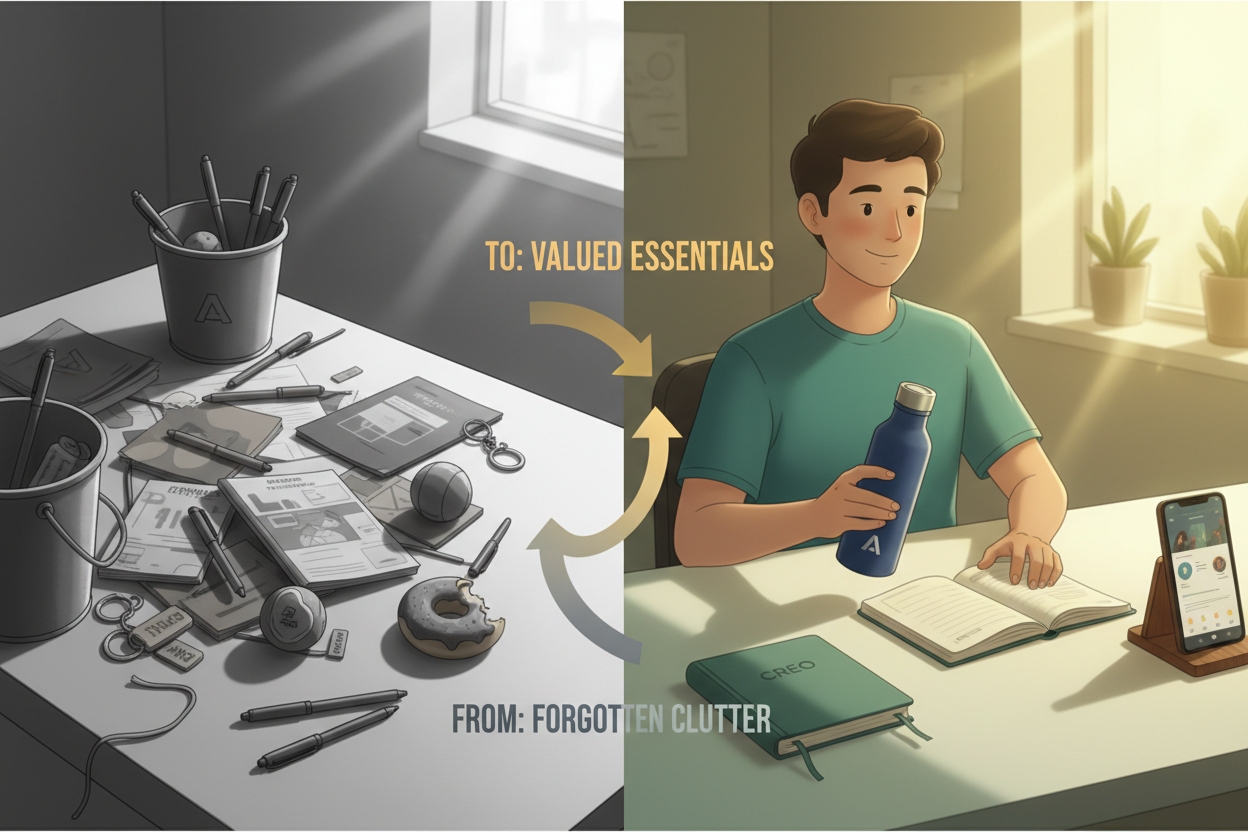
Understanding the Psychology Behind Promotional Products
Before diving into design specifics, let’s talk about why promotional products work in the first place. There’s actual science behind the effectiveness of branded swag. When someone receives a useful item for free, it triggers the psychological principle of reciprocity – they feel compelled to return the favor, often through brand loyalty or future purchases.
But here’s where most companies get it wrong. They focus solely on brand visibility rather than user value. The most successful promotional designs strike a balance between showcasing your brand and providing genuine utility to the recipient. Think about the branded water bottle you actually use at the gym or the company-branded notebook that’s become your go-to for meetings. These items work because they seamlessly integrate into your daily routine.
Research shows that 85% of people remember the company that gave them a promotional product, and 83% like receiving them. However, the key metric isn’t just recall – it’s positive brand association. A well-designed promotional item creates positive feelings toward your brand every time it’s used.
Essential Design Principles for Effective Promotional Products
Creating promotional merchandise that people actually want requires following some fundamental design principles. First and foremost, your design needs to serve the product’s function, not fight against it. A promotional umbrella should open and close smoothly, regardless of where your logo is placed. The design should enhance the user experience, not hinder it.
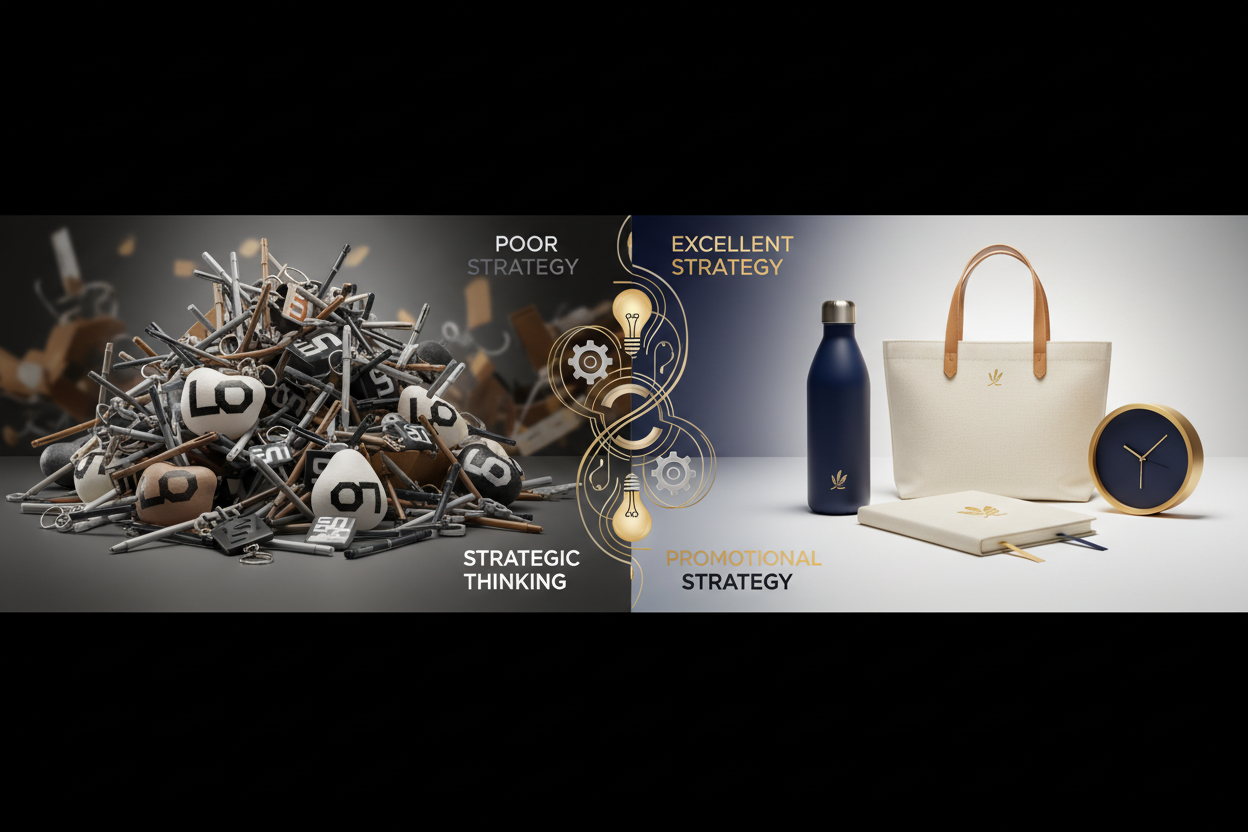
Color psychology plays a crucial role in promotional design. Different colors evoke different emotions and associations. Blue conveys trust and professionalism – perfect for financial services or healthcare companies. Green suggests growth and sustainability, ideal for environmental organizations or organic food brands. Red creates urgency and excitement, making it great for restaurants or entertainment companies.
Typography is another critical element that often gets overlooked. Your brand name needs to be legible at the size it will appear on the promotional item. A complex script font might look elegant on your business cards, but it becomes unreadable when embroidered on a baseball cap. Keep typography clean, simple, and appropriately sized for the medium.
The placement of your branding elements requires careful consideration. The most visible spot isn’t always the best choice. Sometimes a subtle placement that doesn’t interfere with the item’s aesthetics creates a more positive brand association. Think about how luxury brands often place their logos discretely – it suggests confidence and quality rather than desperation for attention.
Choosing the Right Products for Your Brand and Audience
Not all promotional products are created equal, and what works for one company might be completely wrong for another. A tech startup targeting millennials might find success with wireless charging pads or blue light glasses, while a construction company might see better results with high-quality work gloves or multi-tools.
Consider your audience’s lifestyle and daily challenges. What problems do they face that a promotional product could solve? A coffee shop might offer branded travel mugs to commuters, while a fitness center could provide branded water bottles or gym towels. The key is finding the intersection between your brand identity and your customers’ needs.
Quality should never be compromised for cost savings. A cheap promotional product that breaks quickly or performs poorly reflects negatively on your brand. It’s better to give away fewer high-quality items than many low-quality ones. People form lasting impressions based on the quality of promotional products, often extending those perceptions to your core products or services.
Seasonal considerations can also impact product choice. Branded sunglasses work great for summer events, while branded scarves or hot chocolate mixes might be perfect for winter campaigns. Timing your promotional product distribution with relevant seasons or events increases the likelihood of immediate use and positive association.
Color Theory and Brand Consistency in Promotional Design
Maintaining brand consistency across all promotional materials is crucial for building recognition and trust. Your promotional products should feel like natural extensions of your brand, using the same color palette, fonts, and design elements as your other marketing materials.
However, promotional design often requires adapting your brand guidelines to work within the constraints of different materials and production methods. Screen printing has different color limitations than embroidery, and both have different requirements than laser engraving. Understanding these limitations upfront helps you make design decisions that will translate well across different production methods.
Color matching can be particularly challenging in promotional products. The same Pantone color might look different on a cotton t-shirt versus a plastic water bottle. Working with experienced promotional product suppliers who understand color matching across different materials is essential for maintaining brand consistency.
Consider creating a promotional product style guide that outlines approved color combinations, logo variations, and placement guidelines specific to different types of products. This ensures consistency even when different team members are ordering promotional items or working with various suppliers.
Maximizing Brand Visibility Without Being Obnoxious
The biggest mistake in promotional design is treating every surface as billboard space. Plastering your logo across every available inch of a promotional product doesn’t increase brand recognition – it decreases the likelihood that people will use the item. Nobody wants to wear a walking advertisement unless they’re being paid for it.
Subtle branding often proves more effective than obvious marketing messages. A small, well-placed logo on a high-quality product creates positive brand associations without making the user feel like a marketing vehicle. Think about how people proudly wear clothing with small designer logos but avoid items with large, obvious brand messages.
Consider incorporating your brand colors into the product design without necessarily including your logo. A water bottle in your brand’s signature color scheme can be just as effective as one with your logo prominently displayed, and people are more likely to use it regularly.
The goal is to create items that people genuinely want to use, not just items that showcase your brand. When people choose to use your promotional products regularly, your brand becomes part of their daily routine, creating much stronger associations than any billboard or advertisement could achieve.
Measuring Success and ROI of Promotional Campaigns
Determining the effectiveness of promotional design requires looking beyond simple distribution numbers. While it’s easy to count how many items you gave away, the real measure of success is how those items impact brand awareness, customer loyalty, and ultimately, sales.
Track metrics like brand recall through surveys or focus groups. Ask recipients if they remember receiving your promotional item and whether they still use it. High usage rates indicate good design choices that created genuine value for the recipient.
Monitor social media for organic mentions or photos featuring your promotional products. When people voluntarily share images of themselves using your branded items, it indicates strong positive associations with your brand. This organic social proof is incredibly valuable and suggests your promotional design strategy is working.
Consider implementing trackable elements in your promotional campaigns. QR codes linking to special offers or unique discount codes can help measure direct conversion from promotional product recipients. While not every promotional product interaction will be trackable, these methods provide valuable insights into campaign effectiveness.
Future Trends in Promotional Product Design
The promotional products industry continues to evolve, driven by changing consumer preferences and technological advances. Sustainability has become a major factor in product selection, with eco-friendly materials and production methods increasingly important to consumers.
Technology integration is another growing trend. Promotional products that incorporate useful technology – like wireless chargers, Bluetooth speakers, or smart accessories – tend to have higher perceived value and longer usage lifespans. However, the technology needs to be genuinely useful, not just a gimmick.
Personalization capabilities are expanding, allowing for more customized promotional products that speak directly to individual recipients. Variable data printing and on-demand production make it possible to create unique items for different audience segments or even individual customers.
The rise of remote work has also shifted promotional product preferences. Items useful for home offices – like branded desk accessories, ergonomic supports, or high-quality notebooks – have gained popularity as traditional trade show giveaways have become less relevant.
Creating promotional products that truly sell requires thinking beyond simple brand exposure. The most effective promotional designs solve real problems for real people while subtly reinforcing positive brand associations. By focusing on quality, utility, and thoughtful design rather than just logo placement, companies can create promotional products that recipients genuinely value and use regularly. Remember, the best promotional product is one that makes someone’s day a little bit better while keeping your brand top of mind. When you achieve that balance, you’ve mastered the art of swag that sells.
No More BS – Get a FREE Consultation
No more BS. Let’s talk real world $#!+ about what you need. You’ll meet with our top dog, and you’ll leave with a better understanding of what you need to do, and how RyCOM might help.