
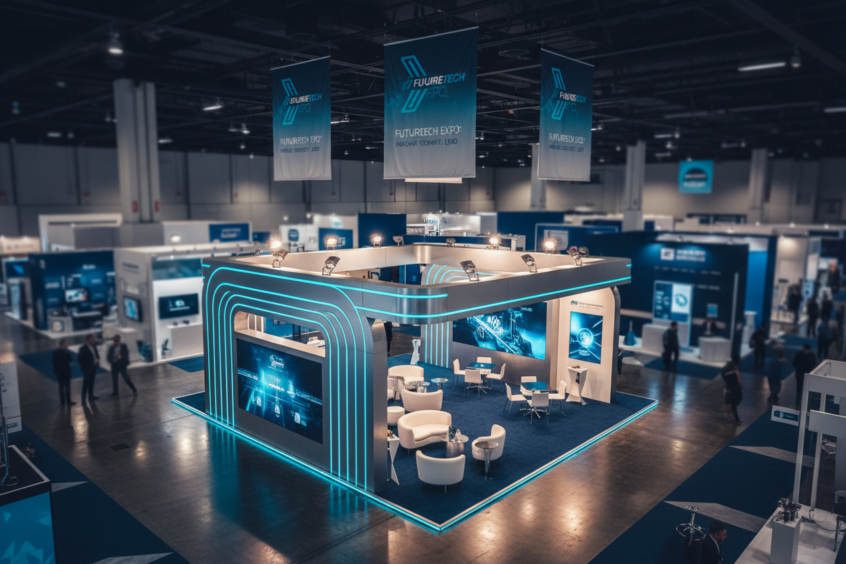
Trade Show Design: Creating an Eye-Catching Booth That Drives Results
Walking through a bustling trade show floor can feel overwhelming. Hundreds of booths compete for attention, each hoping to capture the interest of potential customers who are already suffering from information overload. In this sea of competition, your booth design becomes your silent salesperson – working around the clock to attract, engage, and convert visitors into valuable leads.
The difference between a successful trade show experience and a disappointing one often comes down to booth design. A well-crafted display doesn’t just look good; it strategically guides visitor behavior, communicates your brand message, and creates memorable experiences that translate into business opportunities long after the show ends.
Understanding Your Trade Show Goals and Audience
Before diving into colors, graphics, and layouts, successful trade show booth design starts with clarity about your objectives. Are you launching a new product? Building brand awareness? Generating qualified leads? Your goals will significantly influence every design decision you make.
Consider the typical attendee at your target trade show. What challenges are they facing? What solutions are they seeking? A booth designed for C-suite executives at a financial services conference will look vastly different from one targeting young entrepreneurs at a tech startup expo. Understanding your audience’s preferences, pain points, and decision-making processes helps you create a booth that resonates on a deeper level.
Research shows that trade show attendees spend an average of just 20 minutes in each hall, making quick decisions about which booths deserve their attention. Your design needs to communicate your value proposition within seconds, not minutes.
Strategic Booth Layout and Traffic Flow
The layout of your trade show booth directly impacts how visitors interact with your space and your team. Smart booth design considers the natural flow of foot traffic and creates intentional pathways that guide visitors through your desired experience.
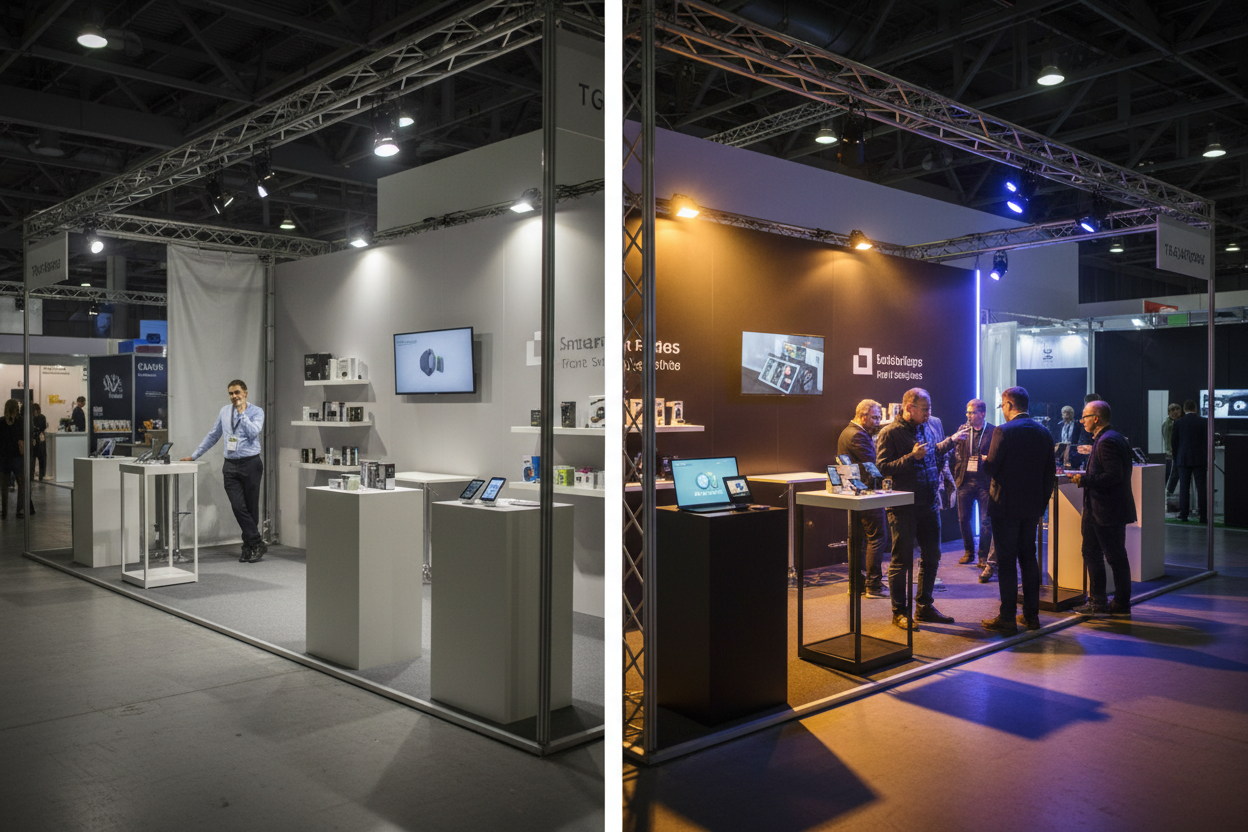
Open booth designs typically perform better than closed-off spaces because they feel more welcoming and accessible. Avoid creating barriers at your booth entrance – physical or psychological. Instead, design clear sight lines that allow passersby to see into your space and understand what you offer without feeling pressured to commit to entering.
Consider implementing different zones within your booth space. Create a welcoming entrance area for initial conversations, a demonstration zone for product showcases, and a quieter space for serious business discussions. This zoning approach helps manage different types of interactions simultaneously while maintaining an organized, professional appearance.
Traffic flow becomes especially critical for larger booth spaces. Use strategic placement of displays, furniture, and interactive elements to create a natural circulation pattern that prevents bottlenecks while ensuring visitors encounter your key messages in a logical sequence.
Visual Impact: Graphics, Colors, and Branding
Your booth’s visual elements work together to create an immediate impression that can make or break visitor engagement. High-quality graphics serve as your booth’s primary communication tool, especially for attracting attention from a distance.
Large-format graphics should be visible and readable from at least 20 feet away. This means using bold, high-contrast colors and limiting text to essential messages. Your company logo should be prominently displayed and easily recognizable, but avoid overwhelming visitors with too many competing visual elements.
Color psychology plays a significant role in booth design effectiveness. Blue conveys trust and professionalism, making it popular in technology and financial services. Red creates urgency and excitement, perfect for product launches or special promotions. Green suggests growth and innovation, while black and white combinations project sophistication and premium quality.
Consistency with your existing brand guidelines ensures that your trade show presence reinforces your overall marketing efforts. However, don’t be afraid to amplify your brand’s personality for the trade show environment. The goal is to be memorable while staying authentic to your brand identity.
Consider incorporating dynamic visual elements like digital displays or LED panels. These technologies allow you to showcase multiple messages, display real-time social media feeds, or create eye-catching animations that draw attention from across the show floor.
Lighting Design That Makes a Difference
Lighting often gets overlooked in trade show booth planning, but it’s one of the most powerful tools for creating visual impact and setting the right mood. Poor lighting can make even the most expensive booth look cheap and uninviting, while strategic lighting design can transform a modest space into a compelling attraction.
Trade show venues typically provide basic overhead lighting that creates flat, uninspiring illumination. Supplement this with your own lighting design that highlights key areas, creates depth, and adds visual interest to your space.
Accent lighting can draw attention to specific products or displays, while ambient lighting creates a welcoming atmosphere for conversations. Consider using LED strip lights to outline booth structures or create dramatic backlighting effects that make your graphics pop.
Color-changing LED lights offer flexibility to adjust your booth’s mood throughout the day or highlight different products during various presentations. Just remember that lighting should enhance your message, not distract from it.
Interactive Elements and Technology Integration
Modern trade show attendees expect interactive experiences that go beyond traditional brochure distribution. Incorporating technology and hands-on elements can significantly increase engagement time and create memorable experiences that set your booth apart from competitors.
Interactive product demonstrations allow visitors to experience your solutions firsthand. Whether it’s a software interface on a touchscreen or a physical product they can manipulate, hands-on experiences create stronger connections and better understanding of your value proposition.
Virtual and augmented reality technologies are becoming increasingly popular for trade show applications. These tools can transport visitors to different environments, showcase products that are too large or expensive to bring to the show, or provide immersive training experiences.
Digital lead capture systems streamline the process of collecting visitor information while providing a more professional experience than traditional paper forms. Tablets or smartphones can quickly scan badges, capture contact details, and even record specific interests or notes about each interaction.
Social media integration encourages visitors to share their booth experience with their networks, extending your reach beyond the physical trade show space. Create Instagram-worthy photo opportunities or branded hashtags that encourage social sharing.
Furniture and Comfort Considerations
Comfortable, strategically placed furniture can significantly impact the quality and duration of conversations in your booth space. The right seating arrangements create natural gathering spots for more in-depth discussions while providing relief for attendees who have been walking the show floor for hours.
High-top tables with stools work well for quick conversations and product demonstrations, while comfortable lounge seating creates a more relaxed environment for serious business discussions. Avoid overcrowding your space with furniture, but ensure you have adequate seating for your expected traffic volume.
Consider the practical needs of your booth staff as well. Provide comfortable workspace areas where team members can take breaks, store personal items, and access necessary materials without disrupting visitor interactions.
Storage solutions should be integrated seamlessly into your booth design. Hidden storage compartments, attractive cabinets, or designated back-of-house areas keep your space organized and professional-looking throughout the event.
Budget-Friendly Design Solutions
Creating an impressive trade show booth doesn’t always require a massive budget. Smart design choices and strategic investments can deliver significant impact without breaking the bank.
Modular booth systems offer flexibility and cost-effectiveness for companies that participate in multiple trade shows. These systems can be reconfigured for different booth sizes and show themes while maintaining a consistent brand appearance.
Focus your budget on high-impact elements that provide the biggest visual return on investment. Large-format graphics, strategic lighting, and one or two interactive elements often deliver better results than spreading your budget across numerous smaller items.
Consider renting certain booth components rather than purchasing them, especially for items like furniture, audio-visual equipment, or specialized displays that you might not use frequently. This approach reduces upfront costs and eliminates storage and transportation concerns.
DIY elements can add personal touches while controlling costs. Custom displays built in-house, creative use of everyday materials, or repurposed items can create unique design elements that stand out from typical trade show displays.
Measuring Success and Continuous Improvement
The most successful trade show exhibitors treat each event as a learning opportunity, carefully measuring results and refining their approach for future shows. Establishing clear metrics helps you evaluate your booth design’s effectiveness and identify areas for improvement.
Track quantitative metrics like booth traffic, leads generated, and conversion rates, but don’t overlook qualitative feedback from both visitors and booth staff. Post-show surveys can provide valuable insights into what attracted visitors to your booth and what elements were most memorable.
Document what worked well and what didn’t for each trade show. This information becomes invaluable when planning future booth designs or making real-time adjustments during multi-day events.
Consider conducting informal interviews with visitors to understand their decision-making process and gather feedback on your booth’s effectiveness. These conversations often reveal insights that pure metrics cannot provide.
Conclusion
Creating an eye-catching trade show booth requires a thoughtful blend of strategic thinking, creative design, and practical execution. The most successful booths don’t just look good – they create meaningful experiences that align with business objectives and resonate with target audiences.
Remember that your booth design is just one component of trade show success. The best-designed booth in the world won’t deliver results without proper pre-show marketing, well-trained booth staff, and effective follow-up processes. However, when all these elements work together, a well-designed booth becomes a powerful tool for building relationships, generating leads, and growing your business.
Start planning your next trade show booth by clearly defining your goals, understanding your audience, and focusing on creating experiences that provide genuine value to visitors. With careful planning and strategic design choices, your booth can become a destination that attracts quality prospects and delivers measurable business results.
No More BS – Get a FREE Consultation
No more BS. Let’s talk real world $#!+ about what you need. You’ll meet with our top dog, and you’ll leave with a better understanding of what you need to do, and how RyCOM might help.