

Website Design Trends: What’s New and What’s Here to Stay
In the ever-evolving digital landscape, web design trends continue to shift, adapting to technological advancements and user preferences. As we navigate through 2023, it’s crucial to stay updated with these trends to ensure your website remains relevant, engaging, and effective. In this article, we’ll explore the latest in website design, what’s making waves, and which trends have proven their staying power.
The Rise of Minimalist Design
Minimalism isn’t a new concept, but its application in web design has reached new heights. The focus on simplicity helps create a seamless user experience by eliminating unnecessary elements that could distract or confuse visitors. This trend emphasizes clean lines, ample white space, and straightforward navigation, allowing content to shine. It’s all about doing more with less, providing users with what they need without overwhelming them.
Dark Mode Dominance
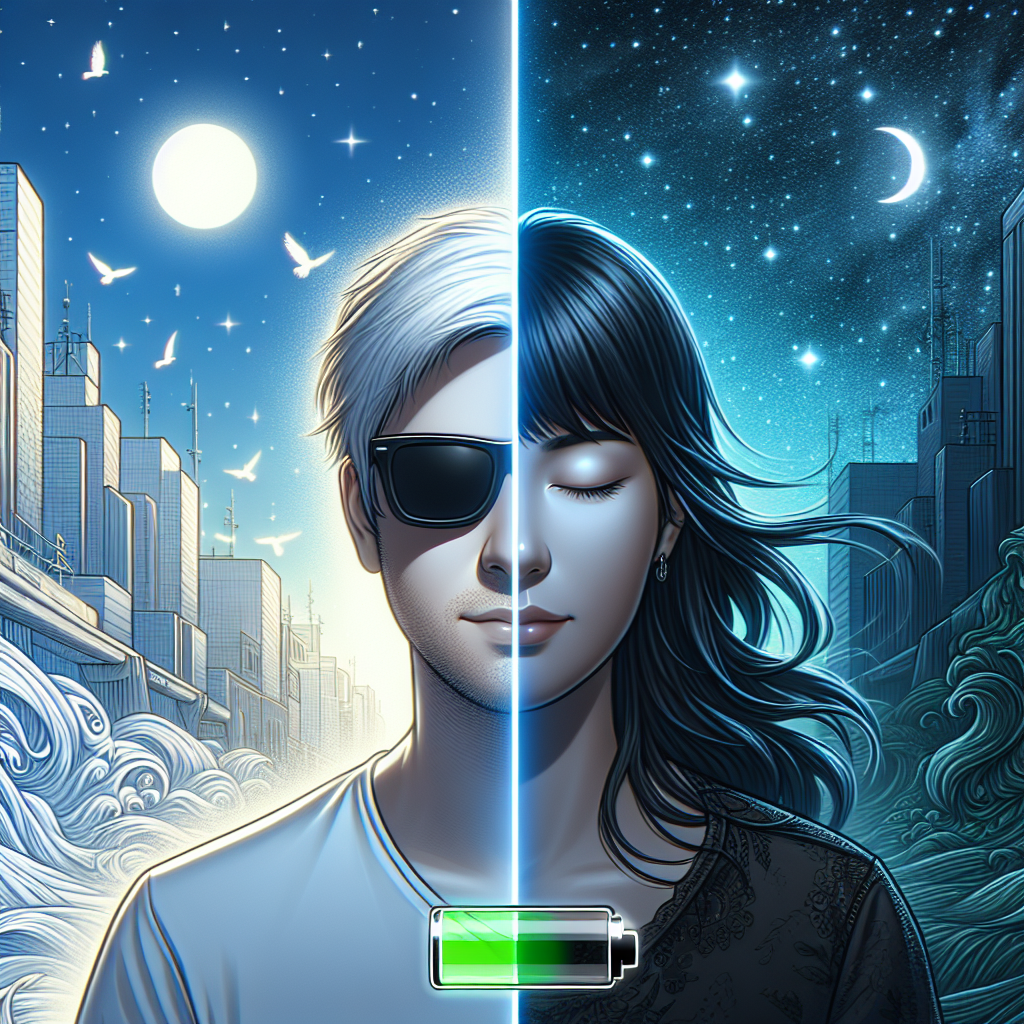
Dark mode has swiftly transitioned from a trendy feature to a mainstream necessity. As screens become an integral part of our daily lives, reducing eye strain has become critical. Dark mode not only helps in this aspect but also contributes to energy savings on OLED screens. Websites offering dark mode options cater to user preferences, providing a personalized browsing experience. It’s a design choice that’s not just about aesthetics but also about user comfort.

Dynamic Scrolling and Micro-Interactions
As users engage with websites, they expect a dynamic and interactive experience. Enter dynamic scrolling and micro-interactions, which add layers of engagement to a site. Dynamic scrolling offers a storytelling element, guiding users through content in a more engaging manner. Micro-interactions, such as hover effects and animated buttons, provide feedback and keep users engaged. These elements, while subtle, enhance the overall user experience and encourage longer site visits.
Neumorphism: A Fusion of Realism and Minimalism
Neumorphism is a design style that mimics real-world objects through the use of shadows and highlights, creating a soft, extruded plastic look. It’s a fusion of realism and minimalism, offering a tactile experience on a screen. This trend is gaining traction as it provides a fresh, modern aesthetic while maintaining functionality. However, designers must balance aesthetics and usability to ensure accessibility.
Voice User Interface (VUI) Integration
With the rise of smart speakers and voice-activated devices, integrating Voice User Interfaces in website design is becoming increasingly important. VUI allows users to navigate websites using voice commands, enhancing accessibility and convenience. As voice search continues to grow, optimizing websites for voice interaction is crucial for staying relevant in the digital landscape.
What’s Here to Stay: Mobile-First Design
The mobile-first approach is no longer just a trend; it’s a necessity. With mobile devices accounting for a significant portion of web traffic, designing for mobile users is essential. This approach ensures that websites are responsive, offering a seamless experience across all devices. A focus on mobile-first design means prioritizing speed, usability, and accessibility, which benefits all users, regardless of their device.
Bold Typography
Typography has always played a crucial role in web design, and bold typography continues to make a statement. It grabs attention, conveys brand personality, and enhances readability. In an age where attention spans are limited, bold typography helps to communicate messages effectively and efficiently. When combined with minimalistic design, it creates a powerful visual impact.
Data Visualization
Data visualization is becoming increasingly important as we navigate through an information-rich world. Presenting data in visually appealing and easily digestible formats helps users understand complex information quickly. Infographics, interactive charts, and graphs are all tools that enhance user engagement and comprehension. As data continues to drive decision-making, effective visualization techniques are here to stay.
Conclusion
Website design trends are a reflection of technological advancements and evolving user preferences. As we move forward, embracing these trends can help create websites that are not only visually appealing but also highly functional and user-friendly. By integrating new trends like dark mode, dynamic scrolling, and VUI, while maintaining essential practices like mobile-first design and bold typography, you can ensure your website remains a step ahead in the digital age. Staying informed and adaptable is the key to thriving in the world of web design.
No More BS – Get a FREE Consultation
No more BS. Let’s talk real world $#!+ about what you need. You’ll meet with our top dog, and you’ll leave with a better understanding of what you need to do, and how RyCOM might help.