
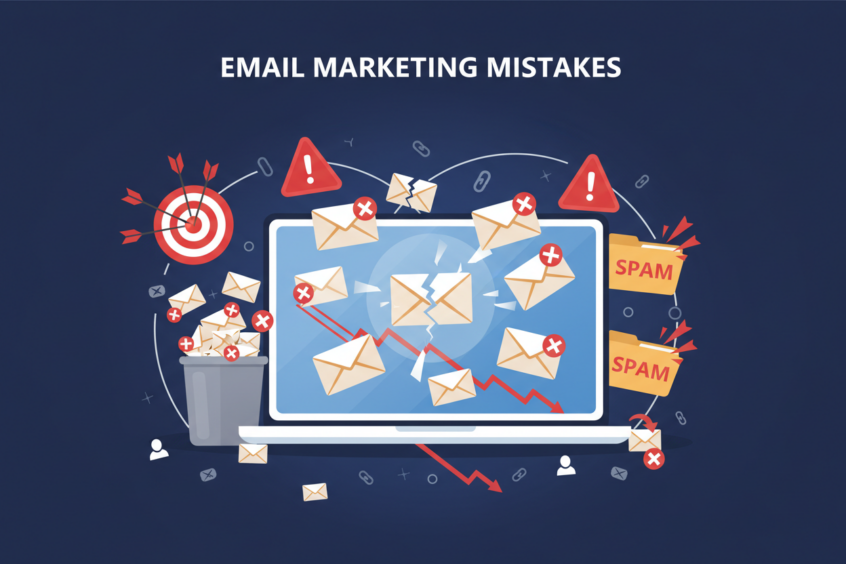
Email Marketing Mistakes That Could Hurt Your Campaign
Email marketing remains one of the most powerful tools in a marketer’s arsenal, boasting an impressive ROI of $42 for every dollar spent. Yet, despite its potential, many businesses sabotage their own success through preventable mistakes. I’ve seen countless campaigns fall flat not because of bad products or poor timing, but because of simple oversights that could have been easily avoided.
Whether you’re a seasoned marketer or just starting your email journey, understanding these common pitfalls can mean the difference between inbox success and spam folder obscurity. Let’s dive into the most damaging email marketing mistakes that could be silently killing your campaigns—and more importantly, how to fix them.

Neglecting Email List Hygiene and Quality
One of the biggest mistakes I encounter is the “more is better” mentality when it comes to email lists. Many marketers focus obsessively on growing their subscriber count while completely ignoring list quality. This approach is like building a house on a foundation of sand—it might look impressive at first, but it’s destined to crumble.
Purchasing email lists might seem like a quick win, but it’s actually a fast track to disaster. These lists are filled with unengaged recipients who never opted in to hear from you. The result? Sky-high bounce rates, spam complaints, and a damaged sender reputation that can take months to recover.
Instead, focus on organic list building through valuable lead magnets, engaging content, and clear opt-in processes. A smaller list of genuinely interested subscribers will always outperform a massive list of disinterested contacts. Regular list cleaning is equally important—remove inactive subscribers, fix bounced emails, and segment your audience based on engagement levels.
Sending Emails Without Proper Segmentation
Treating your entire email list as a homogeneous group is like using a megaphone when you should be having a conversation. Every subscriber on your list has different needs, interests, and stages in the customer journey. Sending the same message to everyone is a missed opportunity that can significantly hurt your campaign performance.
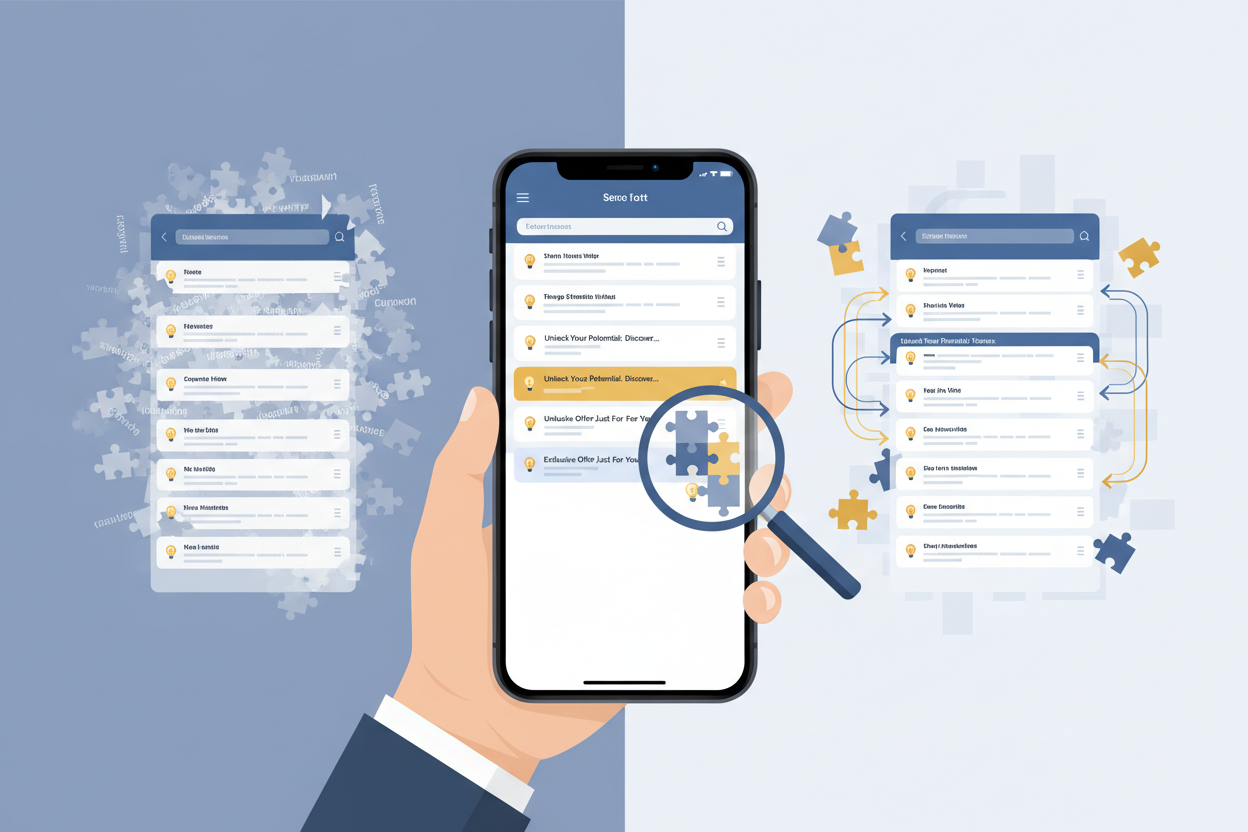
Effective segmentation goes beyond basic demographics. Consider segmenting based on purchase history, engagement levels, geographic location, or where subscribers are in your sales funnel. A new subscriber might need educational content about your industry, while a long-time customer might be more interested in exclusive offers or advanced tips.
The data speaks for itself—segmented email campaigns can generate up to 760% more revenue than non-segmented campaigns. Start simple with basic segments like new subscribers, active customers, and inactive users, then gradually develop more sophisticated segmentation strategies as you gather more data about your audience.
Ignoring Mobile Optimization
Here’s a sobering statistic: over 60% of emails are opened on mobile devices. Yet, I still see campaigns that look great on desktop but are completely unreadable on smartphones. This oversight is particularly frustrating because it’s entirely preventable with proper planning and testing.
Mobile optimization isn’t just about making your email smaller. It requires thoughtful design choices like single-column layouts, larger fonts, touch-friendly buttons, and concise subject lines that don’t get cut off on small screens. Your call-to-action buttons should be easily tappable with a thumb, and images should load quickly even on slower connections.
Always test your emails on multiple devices and email clients before sending. What looks perfect in your email builder might render completely differently in Gmail’s mobile app or Outlook. Many email marketing platforms offer preview tools, but nothing beats real-world testing on actual devices.
Crafting Poor Subject Lines and Preview Text
Your subject line is the gatekeeper to your email content. It doesn’t matter how brilliant your email copy is if nobody opens it in the first place. Poor subject lines are often the silent killers of email campaigns, leading to low open rates and reduced engagement.
Avoid common subject line mistakes like using excessive capitalization, spam trigger words, or being overly salesy. Subject lines that scream “URGENT!!!” or “MAKE MONEY FAST!!!” will likely land you in the spam folder faster than you can say “unsubscribe.” Instead, focus on creating curiosity, providing clear value, or asking compelling questions.
Don’t forget about preview text—that little snippet that appears next to your subject line in most email clients. Many marketers leave this to chance, resulting in generic text like “View this email in your browser” or the first few words of their email. Craft intentional preview text that complements your subject line and provides additional context or intrigue.
Overwhelming Subscribers with Too Many Emails
There’s a fine line between staying top-of-mind and becoming a nuisance. Sending too many emails is one of the fastest ways to increase unsubscribe rates and damage your relationship with subscribers. I’ve seen businesses go from hero to zero by bombarding their audience with daily promotional emails.
The optimal email frequency varies by industry and audience, but the key is finding the sweet spot for your specific subscribers. Pay attention to your engagement metrics—if open rates start declining or unsubscribe rates spike after increasing frequency, you’ve likely crossed the line.
Consider implementing preference centers where subscribers can choose how often they hear from you. Some people love daily updates, while others prefer weekly or monthly communications. Giving subscribers control over their experience shows respect for their time and can actually improve overall engagement.
Weak or Confusing Call-to-Actions
Every email should have a clear purpose and a corresponding call-to-action that guides subscribers toward that goal. Yet, many emails suffer from weak, confusing, or multiple competing CTAs that leave subscribers uncertain about what action to take.
Effective CTAs are specific, action-oriented, and create urgency when appropriate. Instead of generic phrases like “Click Here” or “Learn More,” use descriptive language like “Download Your Free Guide” or “Claim Your 20% Discount.” The language should clearly communicate what subscribers will get when they click.
Visual design matters too. Your CTA button should stand out from the rest of your email design through contrasting colors, adequate white space, and appropriate sizing. If you must include multiple CTAs, make sure there’s a clear primary action that takes precedence over secondary options.
Failing to Test and Optimize Campaigns
Flying blind with your email campaigns is like driving with your eyes closed—you might get lucky for a while, but eventually, you’re going to crash. Too many marketers set up their campaigns and hope for the best instead of systematically testing and optimizing their approach.
A/B testing should be a standard practice for every email campaign. Test different subject lines, send times, email designs, or call-to-action buttons. But remember to test only one element at a time to get clear, actionable results. Testing everything at once makes it impossible to determine what actually drove the performance difference.
Beyond A/B testing, regularly analyze your email metrics to identify trends and opportunities. Look at open rates, click-through rates, conversion rates, and unsubscribe rates. Are certain types of content performing better? Do emails sent on specific days get higher engagement? Use this data to continuously refine your strategy.
Neglecting Email Deliverability Best Practices
All your email marketing efforts are worthless if your messages never reach the inbox. Email deliverability is a complex topic that many marketers overlook until it’s too late. Poor deliverability practices can land your emails in spam folders or get your domain blacklisted entirely.
Maintain a good sender reputation by following authentication protocols like SPF, DKIM, and DMARC. These technical standards help email providers verify that your emails are legitimate. Also, monitor your bounce rates, spam complaints, and engagement metrics—email providers use these signals to determine whether your emails deserve inbox placement.
Choose a reputable email service provider that maintains good relationships with major email clients. Sending emails from your personal Gmail account or an unknown domain raises red flags with spam filters. Consistency in your sending patterns and maintaining engagement also play crucial roles in deliverability.
Inconsistent Branding and Messaging
Your emails are an extension of your brand, and inconsistency can confuse subscribers and dilute your message. I’ve seen campaigns where the email design, tone, and messaging were completely disconnected from the company’s website and other marketing materials.
Maintain consistent visual branding across all your emails, including colors, fonts, logo placement, and overall design aesthetic. Your email voice and tone should also align with your brand personality. If your website copy is casual and friendly, your emails shouldn’t suddenly become formal and corporate.
Consistency builds trust and recognition. When subscribers receive your emails, they should immediately know they’re from your brand, even before reading the sender name. This recognition factor can significantly improve open rates and overall engagement with your campaigns.
Conclusion
Email marketing success isn’t about perfection—it’s about avoiding the major pitfalls that can derail your campaigns before they have a chance to succeed. The mistakes we’ve covered today are all preventable with proper planning, testing, and attention to detail.
Start by auditing your current email marketing practices against this list. You might discover that you’re already doing most things right, or you might uncover several areas that need immediate attention. Either way, addressing these issues systematically will put you on the path to better email performance.
Remember, email marketing is a marathon, not a sprint. Focus on building genuine relationships with your subscribers, providing consistent value, and respecting their time and attention. When you avoid these common mistakes and prioritize subscriber experience, you’ll find that email marketing can become one of your most reliable and profitable marketing channels.
The beauty of email marketing lies in its measurability and flexibility. Every mistake is a learning opportunity, and every campaign provides data to improve the next one. Stay curious, keep testing, and never stop optimizing. Your future campaigns—and your bottom line—will thank you for it.
No More BS – Get a FREE Consultation
No more BS. Let’s talk real world $#!+ about what you need. You’ll meet with our top dog, and you’ll leave with a better understanding of what you need to do, and how RyCOM might help.