

Get More Leads: Optimizing Your Lead Generation Process for Maximum Results
Every business owner knows that familiar feeling. You’ve built an amazing product or service, your website looks fantastic, and you’re ready to take on the world. But there’s just one problem: where are all the leads? If you’re struggling to fill your sales pipeline with qualified prospects, you’re definitely not alone. Lead generation remains one of the biggest challenges facing businesses today, but the good news is that with the right optimization strategies, you can transform your lead generation process from a trickle into a steady stream of potential customers.
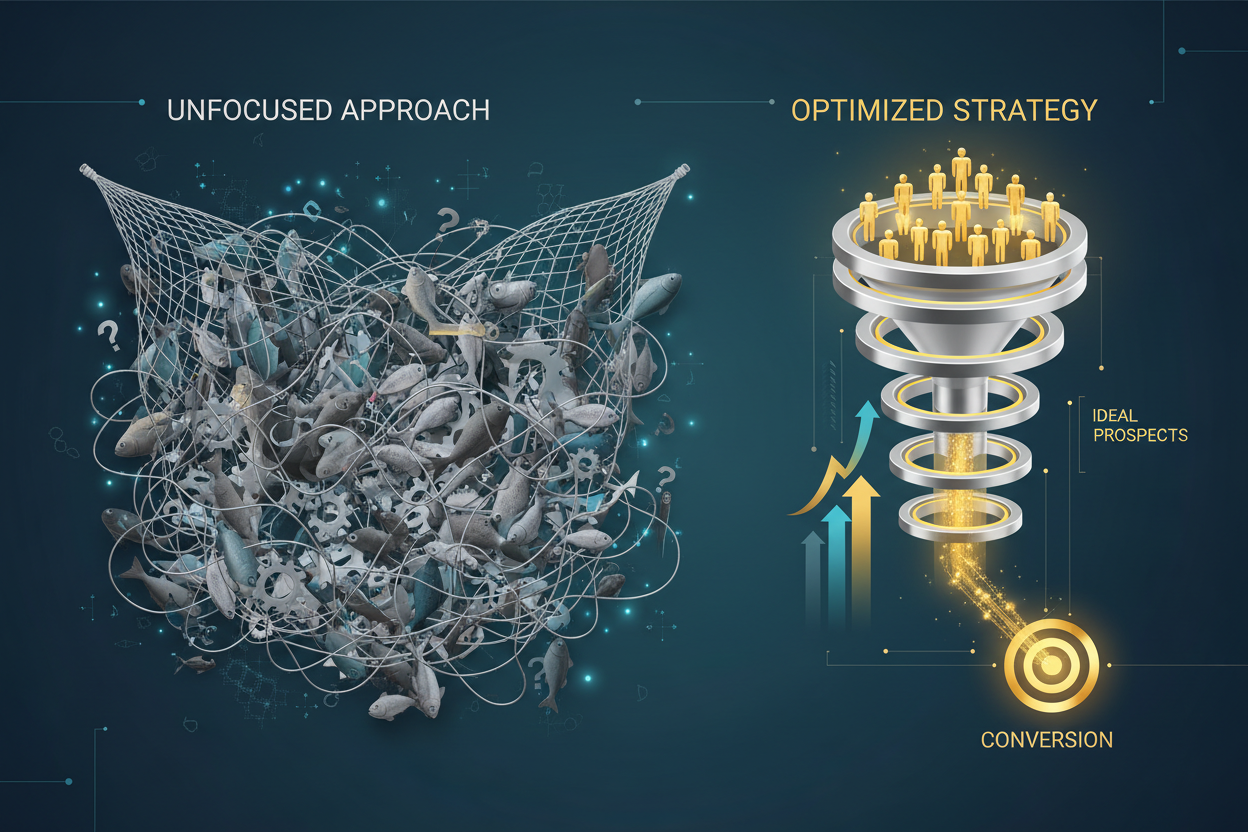
The truth is, generating leads isn’t just about casting the widest net possible and hoping for the best. It’s about creating a systematic, optimized process that attracts the right people, captures their attention, and converts them into genuine prospects who are genuinely interested in what you have to offer. Whether you’re a startup looking to establish your first customer base or an established business wanting to scale your growth, optimizing your lead generation process is crucial for sustainable success.

Understanding the Modern Lead Generation Landscape
Before diving into optimization strategies, it’s important to understand how lead generation has evolved. Gone are the days when cold calling and mass email blasts were sufficient to fill your pipeline. Today’s consumers are savvy, well-informed, and have countless options at their fingertips. They research extensively before making purchasing decisions and expect personalized, valuable interactions with brands.
This shift means that successful lead generation now requires a more sophisticated approach. You need to meet potential customers where they are, provide value before asking for anything in return, and build trust through consistent, helpful interactions. The businesses that thrive are those that view lead generation not as a one-time transaction, but as the beginning of a long-term relationship.
Modern lead generation also relies heavily on digital channels. Social media, content marketing, search engine optimization, and email marketing have become essential tools in the lead generation toolkit. However, the key isn’t just using these channels, but using them strategically and measuring their effectiveness continuously.
Defining Your Ideal Customer Profile
One of the most critical steps in optimizing your lead generation process is getting crystal clear about who you’re trying to reach. Too many businesses make the mistake of trying to appeal to everyone, which ultimately means appealing to no one effectively. Creating a detailed ideal customer profile is like having a GPS for your marketing efforts – it ensures you’re heading in the right direction.
Start by analyzing your existing customer base. Who are your best customers? What characteristics do they share? Look beyond basic demographics and dig into psychographics: what motivates them, what challenges do they face, where do they spend their time online, and how do they prefer to consume information? The more detailed your profile, the more targeted and effective your lead generation efforts will be.
Don’t forget to consider the buyer’s journey. Different types of leads require different approaches depending on where they are in their decision-making process. Someone just becoming aware of their problem needs different content and messaging than someone who’s actively comparing solutions. Understanding these nuances allows you to create more relevant, compelling lead magnets and campaigns.
Creating Compelling Lead Magnets That Convert
Your lead magnet is often the first real interaction a potential customer has with your brand, so it needs to make a strong impression. The best lead magnets solve a specific problem or provide immediate value to your target audience. Think of it as a small sample of the value you provide – if someone finds your lead magnet helpful, they’re much more likely to be interested in your paid offerings.
Ebooks and whitepapers are popular choices, but don’t overlook other formats that might resonate better with your audience. Checklists, templates, video tutorials, webinars, and even simple email courses can be incredibly effective. The key is matching the format to your audience’s preferences and the complexity of the information you’re sharing.
When creating your lead magnet, focus on being specific rather than comprehensive. A detailed guide to solving one particular problem is usually more valuable than a general overview of an entire topic. Make sure your lead magnet has a clear, benefit-focused title that immediately communicates the value someone will receive. Remember, people are trading their contact information for your content, so it needs to feel like a fair exchange.
Optimizing Your Website for Lead Capture
Your website is your digital storefront, and every page is an opportunity to capture leads. However, many websites suffer from what I call “lead generation blindness” – they focus so much on describing their products or services that they forget to give visitors compelling reasons to share their contact information.
Start by auditing your current website. Where are your opt-in forms located? Are they prominently displayed but not intrusive? Do they clearly communicate the value someone will receive by subscribing? Your homepage should have at least one clear call-to-action above the fold, and other high-traffic pages should include relevant lead capture opportunities.
Consider implementing exit-intent popups, which appear when someone is about to leave your site. While some people find popups annoying, when done thoughtfully with valuable offers, they can significantly increase your conversion rates. The key is timing and relevance – show the right offer to the right person at the right moment.
Don’t neglect your landing pages either. If you’re driving traffic from social media, email campaigns, or paid advertising, make sure those visitors land on pages specifically designed to convert. A good landing page has a clear headline, explains the benefits of your offer, includes social proof, and has a simple form that asks for only essential information.
Leveraging Content Marketing for Lead Generation
Content marketing and lead generation go hand in hand. When you consistently create valuable, relevant content, you naturally attract people who are interested in your expertise. But the key word here is “consistently.” One blog post or video won’t transform your lead generation, but a steady stream of helpful content can establish you as a trusted authority in your field.
Focus on creating content that addresses the questions and challenges your ideal customers face. This might include how-to guides, industry insights, case studies, or behind-the-scenes looks at your business. The goal isn’t to sell directly, but to demonstrate your expertise and build trust with potential customers.
Search engine optimization plays a crucial role here. When you create content around keywords your target audience is searching for, you increase the chances of being discovered by people who are actively looking for solutions you provide. This organic traffic often converts better than other sources because these visitors are already expressing interest in your topic area.
Don’t forget about repurposing your content across different channels. A single blog post can become a series of social media posts, an email newsletter, a podcast episode, or even a short video. This maximizes the return on your content creation investment and helps you reach people who prefer different content formats.
Harnessing the Power of Social Media
Social media platforms offer incredible opportunities for lead generation, but success requires more than just posting promotional content and hoping for the best. Each platform has its own culture and best practices, and what works on LinkedIn might not work on Instagram or TikTok.
The key to social media lead generation is providing value first. Share insights, answer questions, participate in conversations, and build relationships. When people see you as a helpful resource, they’re much more likely to be interested in learning more about your business. This approach takes patience, but it builds a much stronger foundation than aggressive sales tactics.
Consider using social media advertising to amplify your reach. Platforms like Facebook, LinkedIn, and Instagram offer sophisticated targeting options that allow you to reach very specific audiences. You can target people based on their interests, job titles, company size, and even their behavior on your website. Start with small budgets, test different audiences and messages, and scale what works.
Don’t underestimate the power of social proof either. Encourage satisfied customers to share their experiences, showcase testimonials, and highlight case studies. When potential leads see that others have had positive experiences with your business, they’re much more likely to trust you with their contact information.
Implementing Marketing Automation
Marketing automation can be a game-changer for lead generation, but it’s important to implement it thoughtfully. The goal isn’t to replace human interaction, but to ensure that every lead receives timely, relevant follow-up while freeing up your time for high-value activities.
Start with simple automation workflows. When someone downloads your lead magnet, they should immediately receive the promised content along with a welcome message that sets expectations for future communications. Over the following days or weeks, you can send additional valuable content that nurtures the relationship and gradually introduces your paid offerings.
Email segmentation is crucial for effective automation. Not all leads are the same, and they shouldn’t all receive identical messages. Segment your list based on how people joined, what content they’ve engaged with, and where they are in the buyer’s journey. This allows you to send more targeted, relevant messages that are more likely to convert.
Remember that automation should feel personal, not robotic. Use the person’s name, reference how they joined your list, and write in a conversational tone. The best automated emails feel like they could have been written specifically for each recipient, even though they’re sent to hundreds or thousands of people.
Measuring and Analyzing Your Results
You can’t optimize what you don’t measure. Successful lead generation requires ongoing analysis and refinement based on real data, not assumptions or gut feelings. Start by establishing clear metrics for each stage of your lead generation process, from initial awareness through final conversion.
Key metrics to track include website traffic, conversion rates for different lead magnets, email open and click-through rates, social media engagement, and ultimately, how many leads convert into paying customers. Don’t just look at vanity metrics like total followers or email subscribers – focus on metrics that directly relate to business growth.
Use tools like Google Analytics, your email marketing platform’s analytics, and social media insights to gather this data. Set up regular reporting schedules, whether weekly or monthly, to review your performance and identify trends. Look for patterns: which content generates the most leads? Which traffic sources convert best? What time of day or week performs better?
Most importantly, use this data to make informed decisions about where to focus your efforts. If blog posts consistently generate more leads than social media posts, consider investing more time in content creation. If LinkedIn ads outperform Facebook ads for your business, shift your advertising budget accordingly.
Conclusion
Optimizing your lead generation process isn’t a one-time project – it’s an ongoing journey of testing, learning, and refining. The strategies that work best for your business will depend on your specific industry, target audience, and resources. However, the fundamental principles remain the same: understand your ideal customer, provide genuine value, use data to guide your decisions, and always focus on building relationships rather than just collecting contact information.
Remember that sustainable lead generation is about quality, not just quantity. It’s better to have a smaller list of highly engaged, qualified leads than a large list of people who aren’t really interested in what you offer. Focus on attracting the right people, nurturing those relationships over time, and continuously improving your process based on what you learn.
The businesses that succeed in today’s competitive landscape are those that view lead generation as an investment in long-term relationships rather than a short-term transaction. By implementing these optimization strategies consistently and patiently, you’ll build a lead generation system that not only fills your pipeline today but continues to grow and improve over time. Start with one or two strategies that resonate most with your situation, master those, and then gradually expand your efforts. Your future self will thank you for the foundation you’re building today.
No More BS – Get a FREE Consultation
No more BS. Let’s talk real world $#!+ about what you need. You’ll meet with our top dog, and you’ll leave with a better understanding of what you need to do, and how RyCOM might help.