
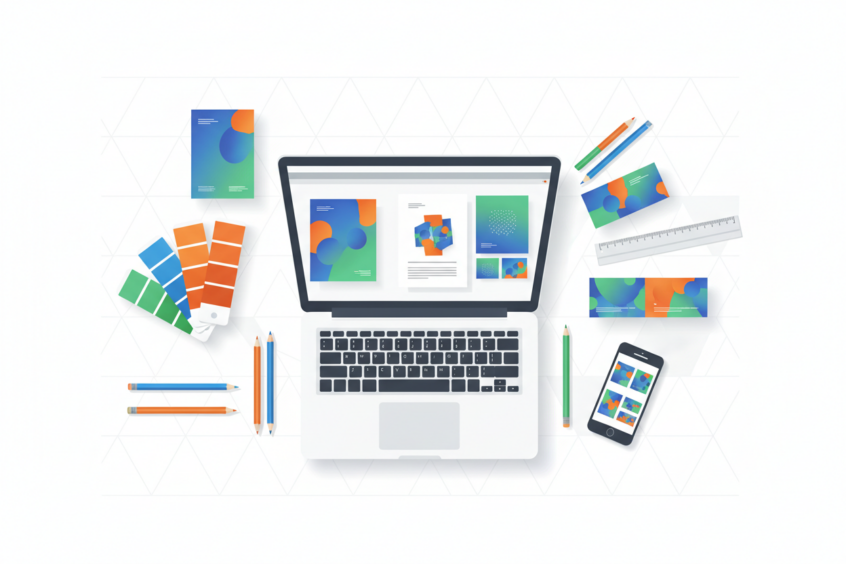
Marketing Materials Design: Creating Impactful Visuals That Drive Results
In today’s visually-driven marketplace, the difference between a successful marketing campaign and one that falls flat often comes down to design. I’ve seen countless businesses struggle with their marketing efforts, not because their products or services weren’t excellent, but because their visual materials failed to capture attention or communicate their value effectively. Creating impactful marketing materials isn’t just about making things look pretty – it’s about crafting visual experiences that resonate with your audience and drive meaningful action.
Whether you’re a small business owner designing your first brochure or a marketing professional overseeing a complete brand overhaul, understanding the principles of effective marketing design can transform your results. The visual elements you choose, from color schemes to typography, work together to tell your brand’s story and influence customer decisions in ways you might not even realize.
Understanding the Psychology Behind Visual Marketing
Before diving into the technical aspects of design, it’s crucial to understand why visuals matter so much in marketing. Our brains process visual information approximately 60,000 times faster than text, which means your audience forms an impression of your marketing materials within milliseconds of seeing them. This split-second judgment can determine whether someone engages with your content or scrolls past it entirely.
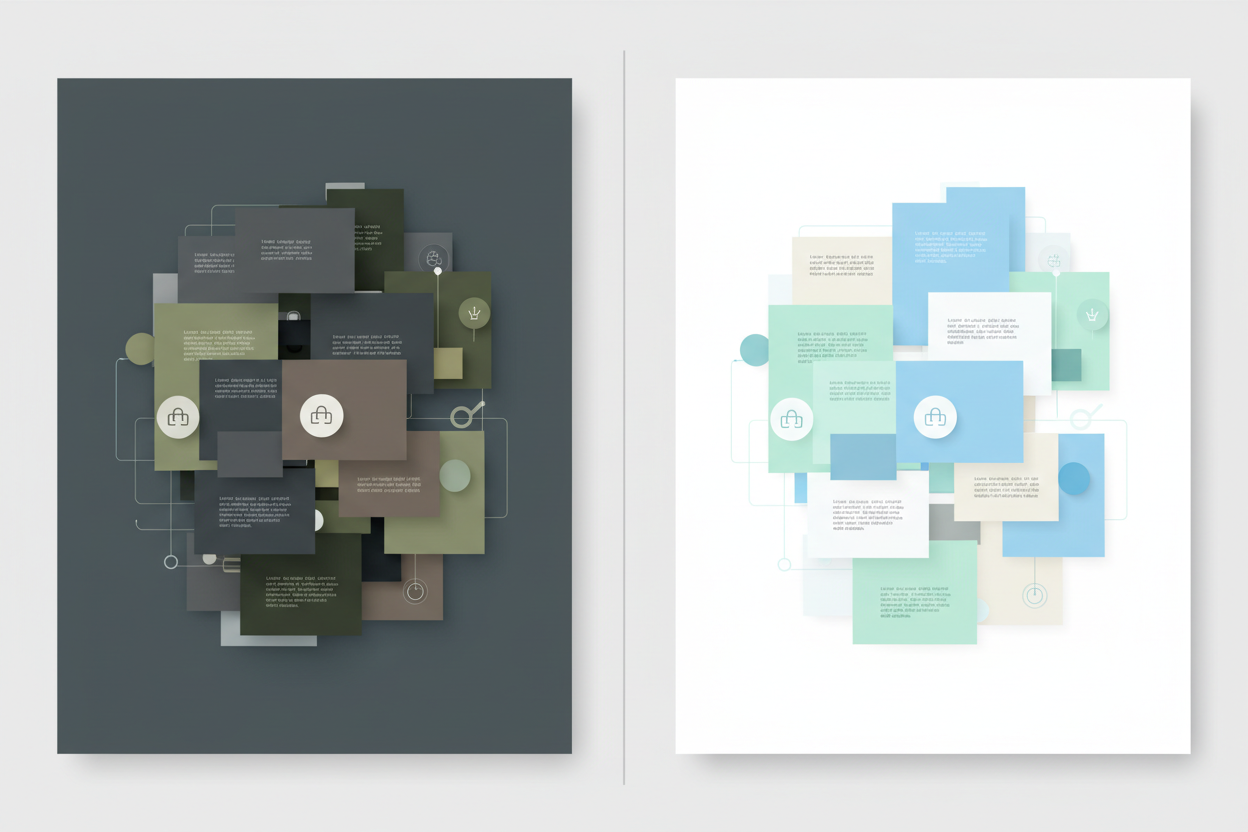
Color psychology plays a particularly significant role in this process. Different colors evoke specific emotions and associations that can either support or undermine your marketing message. For instance, blue often conveys trust and reliability, making it popular among financial institutions, while orange suggests energy and enthusiasm, frequently used by fitness and food brands. Understanding these psychological triggers allows you to make intentional design choices that align with your marketing objectives.

The concept of visual hierarchy also influences how people interact with your marketing materials. By strategically using size, contrast, and placement, you can guide viewers’ eyes through your content in a specific order, ensuring they see your most important messages first. This isn’t manipulation – it’s thoughtful communication design that respects your audience’s time and attention.
Essential Elements of Effective Marketing Design
Creating impactful marketing visuals requires mastering several fundamental design elements that work together to create cohesive, compelling materials. Typography serves as the foundation of most marketing communications, and choosing the right fonts can dramatically impact how your message is received. Sans-serif fonts like Helvetica or Arial often convey modernity and clarity, while serif fonts like Times New Roman suggest tradition and authority.
The spacing and layout of your design elements are equally important. White space, often called negative space, isn’t empty space that needs to be filled – it’s a powerful design tool that helps create focus and improves readability. I’ve noticed that many businesses, especially those new to design, feel compelled to fill every inch of their marketing materials with content. However, strategic use of white space often makes designs more elegant and easier to digest.
Visual consistency across all marketing materials strengthens brand recognition and builds trust with your audience. This means establishing and adhering to specific color palettes, font choices, and design styles across everything from business cards to website graphics. When someone sees your marketing materials, they should immediately recognize them as belonging to your brand, even without seeing your logo.
Digital vs Print Marketing Materials: Design Considerations
The medium you’re designing for significantly impacts your design decisions, and understanding these differences is crucial for creating effective marketing materials. Digital marketing materials offer unique advantages, including the ability to incorporate interactive elements, animations, and immediate links to additional information. However, they also present challenges, such as varying screen sizes and the need to capture attention in increasingly crowded digital spaces.
When designing for digital platforms, consider how your materials will appear across different devices. A design that looks stunning on a desktop computer might be completely illegible on a smartphone. Responsive design principles ensure your marketing visuals maintain their impact regardless of how they’re viewed. Additionally, digital materials often need to load quickly, so optimizing file sizes without sacrificing quality becomes a critical skill.
Print marketing materials, while sometimes considered old-fashioned, still offer unique benefits that digital cannot replicate. The tactile experience of holding a well-designed brochure or business card creates a physical connection between your brand and your audience. Print materials also tend to have longer lifespans – a beautifully designed postcard might sit on someone’s desk for weeks, providing repeated brand exposure.
Color management becomes particularly important when working with print materials. Colors that look vibrant on your computer screen might appear dull or completely different when printed. Understanding the difference between RGB (screen) and CMYK (print) color modes helps ensure your printed materials match your design intentions.
Tools and Software for Professional Marketing Design
The landscape of design software has evolved dramatically, offering options for every skill level and budget. Adobe Creative Suite remains the industry standard, with Photoshop excelling at photo manipulation, Illustrator handling vector graphics and logos, and InDesign managing complex layouts for brochures and magazines. While these professional tools offer incredible capabilities, they also come with steep learning curves and subscription costs.
For businesses and individuals seeking more accessible options, platforms like Canva, Figma, and Adobe Express provide user-friendly interfaces with pre-designed templates. These tools democratize design by making professional-looking marketing materials achievable for non-designers. However, the trade-off often comes in customization limitations and the risk of creating materials that look similar to competitors using the same templates.
Regardless of which tools you choose, understanding basic design principles remains more important than mastering specific software. A well-composed design created in a simple program will always outperform a cluttered, confusing design made with expensive professional software. Focus on developing your design eye and understanding your audience before investing heavily in complex tools.
Measuring the Impact of Your Visual Marketing Materials
Creating beautiful marketing materials means nothing if they don’t drive results for your business. Establishing clear metrics for success helps you understand which design choices resonate with your audience and which need refinement. For digital materials, tracking engagement rates, click-through rates, and conversion rates provides concrete data about design effectiveness.
A/B testing different design variations can reveal surprising insights about your audience preferences. Sometimes small changes, like adjusting button colors or repositioning key messages, can significantly impact performance. I’ve seen cases where simply changing a headline font increased email open rates by 15%, demonstrating how seemingly minor design decisions can have major business implications.
For print materials, tracking becomes more challenging but remains important. Using unique promotional codes, QR codes, or dedicated landing pages helps connect print marketing efforts to measurable outcomes. Additionally, gathering qualitative feedback through surveys or customer interviews provides valuable insights into how your visual materials influence perceptions and decisions.
Common Design Mistakes and How to Avoid Them
Even well-intentioned marketing efforts can fall short due to common design mistakes that undermine their effectiveness. One of the most frequent errors is overcrowding designs with too much information. While it’s tempting to include every possible detail about your product or service, cluttered designs overwhelm viewers and dilute your core message. Instead, focus on one primary message per piece and use additional materials to provide supporting information.
Poor contrast between text and background colors creates readability issues that can render your marketing materials ineffective. This problem becomes particularly pronounced when designs are viewed in different lighting conditions or on various devices. Always test your designs in multiple environments to ensure readability remains consistent.
Another common mistake involves inconsistent branding across different marketing materials. When your business cards, website, and brochures look like they belong to different companies, it creates confusion and weakens brand recognition. Developing comprehensive brand guidelines and referring to them consistently helps maintain visual coherence across all marketing touchpoints.
Future Trends in Marketing Materials Design
The world of marketing design continues evolving rapidly, influenced by technological advances and changing consumer preferences. Sustainable design practices are becoming increasingly important as businesses recognize their environmental responsibilities. This includes choosing eco-friendly printing materials, optimizing digital files for energy efficiency, and creating designs with longer lifespans to reduce waste.
Personalization and customization are also shaping the future of marketing materials. Advanced printing technologies now allow for cost-effective variable data printing, enabling businesses to create personalized marketing pieces at scale. Similarly, digital marketing materials can be dynamically customized based on user behavior and preferences, creating more relevant and engaging experiences.
Interactive and immersive design elements are becoming more accessible and expected. Augmented reality features, interactive infographics, and video integration are no longer reserved for large corporations with massive budgets. As these technologies become more mainstream, incorporating them thoughtfully into marketing materials can help brands stand out in competitive markets.
Conclusion
Creating impactful marketing materials through thoughtful design is both an art and a science. It requires understanding your audience, mastering fundamental design principles, and staying current with technological capabilities and trends. The most successful marketing visuals don’t just look good – they communicate clearly, evoke appropriate emotions, and inspire action.
Remember that effective design is ultimately about serving your audience’s needs while achieving your business objectives. Whether you’re working with professional designers or creating materials yourself, focus on clarity, consistency, and authenticity. Your marketing materials are often the first impression potential customers have of your business, so investing time and effort in creating impactful visuals pays dividends in brand recognition, customer engagement, and business growth.
The key to success lies in continuous learning and adaptation. Pay attention to how your audience responds to different design approaches, stay informed about emerging trends and technologies, and don’t be afraid to experiment with new ideas. With dedication and practice, you can create marketing materials that not only capture attention but also drive meaningful results for your business.
No More BS – Get a FREE Consultation
No more BS. Let’s talk real world $#!+ about what you need. You’ll meet with our top dog, and you’ll leave with a better understanding of what you need to do, and how RyCOM might help.