
Brand Identity Design: Creating Emotional Connections That Drive Customer Loyalty
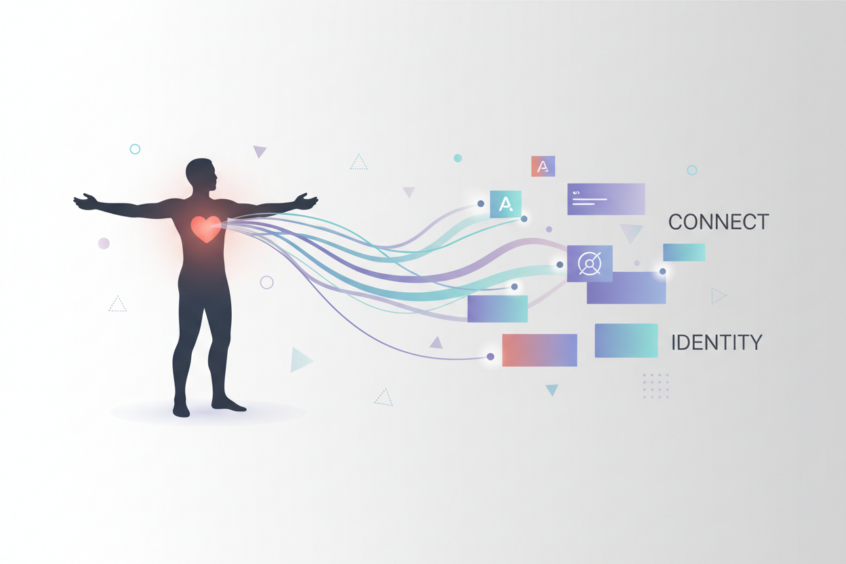
In today’s saturated marketplace, where consumers are bombarded with countless choices every day, the brands that truly succeed aren’t just those with the best products or lowest prices. They’re the ones that create genuine emotional connections with their audience. Brand identity design plays a pivotal role in forging these meaningful relationships, transforming casual customers into passionate brand advocates.
Think about it for a moment. When you see the golden arches of McDonald’s, you don’t just think about hamburgers – you might recall childhood Happy Meals or late-night study sessions. When you spot Apple’s sleek logo, it’s not merely about technology; it represents innovation, creativity, and perhaps a sense of belonging to something bigger. This is the power of emotional branding at work, and it all starts with thoughtful brand identity design.
Understanding the Psychology Behind Emotional Brand Connections
Before diving into the design elements, it’s crucial to understand why emotions matter so much in branding. Neuroscience research has consistently shown that people make purchasing decisions based on emotions first, then justify them with logic. This means that even the most rational consumers are initially driven by how a brand makes them feel.
Emotional connections with brands tap into fundamental human needs: belonging, security, achievement, and self-expression. When a brand successfully addresses these psychological drivers through its visual identity, it creates a bond that goes beyond transactional relationships. Customers begin to see the brand as an extension of their own identity, values, and aspirations.
Consider how Patagonia has built an empire not just by selling outdoor gear, but by creating an identity around environmental consciousness and adventure. Their rugged, earth-toned visual identity immediately communicates authenticity and environmental stewardship, attracting customers who share these values. This emotional alignment transforms customers into brand ambassadors who proudly display the Patagonia logo as a badge of their own environmental commitment.
The Foundation: Defining Your Brand’s Emotional Territory
Creating emotional connections through brand identity design starts with understanding what emotions you want to evoke. This isn’t about choosing feelings randomly; it requires deep insight into your target audience’s desires, fears, and aspirations. The most successful brands identify a specific emotional territory and own it completely.

Start by conducting thorough audience research. What keeps your customers awake at night? What are their dreams and goals? How do they want to feel when they interact with your brand? These insights will guide every design decision, from color palettes to typography choices.
Take Airbnb as an example. They identified that travelers wanted to feel like they “belonged anywhere” – not just finding a place to sleep, but experiencing genuine connection and local culture. This emotional insight shaped their entire brand identity, from their warm, approachable logo to their photography style that emphasizes human connection and authentic experiences.
Color Psychology: The Silent Emotional Communicator
Colors are perhaps the most immediate emotional communicators in brand identity design. They bypass rational thought and speak directly to our subconscious, triggering instant emotional responses based on both biological and cultural associations. Understanding color psychology is essential for creating the right emotional connection with your audience.
Warm colors like red, orange, and yellow tend to evoke energy, passion, and optimism. Red can create urgency and excitement – think Coca-Cola’s energetic brand personality or Target’s bold, confident identity. However, these same colors can also signal danger or aggression if not balanced properly.
Cool colors like blue, green, and purple generally convey trust, calm, and sophistication. Blue is particularly popular among financial institutions and tech companies because it suggests reliability and innovation. Facebook, LinkedIn, and Twitter all use blue to build trust in their platforms.
But here’s where it gets interesting: the emotional impact of color isn’t just about individual hues. It’s about how colors work together, their saturation levels, and the context in which they’re used. A bright, vibrant green might suggest growth and vitality in a health brand, while a muted sage green could convey luxury and sophistication in a premium product line.
Typography That Speaks to the Heart
Typography is often overlooked in discussions about emotional branding, but it’s incredibly powerful. The fonts you choose communicate personality traits just as clearly as the words themselves. A handwritten script font tells a completely different story than a bold, geometric sans-serif.
Serif fonts often convey tradition, reliability, and sophistication. They’re popular among established institutions and luxury brands that want to communicate heritage and trustworthiness. Think of The New York Times or Rolex – their serif typography reinforces their positioning as authoritative and prestigious.
Sans-serif fonts, on the other hand, feel modern, clean, and approachable. They’re the go-to choice for tech companies and contemporary brands that want to appear innovative and accessible. Google’s clean, friendly typography perfectly matches their mission to organize the world’s information and make it universally accessible.
Script and display fonts can add personality and emotion, but they need to be used carefully. A playful script might work perfectly for a children’s brand or artisanal bakery, but it would undermine the credibility of a law firm or medical practice.
Visual Elements That Tell Your Brand Story
Beyond color and typography, every visual element in your brand identity should contribute to the emotional narrative. This includes your logo design, imagery style, graphic elements, and even the way you use white space. Each component should work harmoniously to reinforce the emotional connection you’re trying to create.
Logo design is particularly crucial because it’s often the first point of contact between your brand and potential customers. A well-designed logo doesn’t just look good; it encapsulates your brand’s personality and values in a single, memorable mark. The Nike swoosh suggests movement and achievement, while the Apple logo hints at simplicity and innovation.
Photography and illustration styles also play a significant role in emotional branding. Authentic, candid photography can make a brand feel approachable and human, while highly stylized imagery might convey luxury and exclusivity. The key is ensuring that your visual style aligns with the emotions you want to evoke.
Consistency: The Key to Building Trust and Recognition
Creating emotional connections through brand identity design isn’t just about making great individual elements – it’s about creating a cohesive system that delivers consistent emotional experiences across all touchpoints. Inconsistency breaks the emotional spell and can actually damage trust with your audience.
This means your brand identity guidelines need to be comprehensive and clear. Every team member, from designers to customer service representatives, should understand not just what your brand looks like, but how it should make people feel. This emotional consistency should extend across your website, social media, packaging, advertising, and even your physical spaces if you have them.
Starbucks exemplifies this principle beautifully. Whether you visit a store in Seattle or Singapore, you’ll experience the same warm, community-focused atmosphere. Their green color palette, cozy lighting, acoustic music, and even the aroma create a consistent emotional experience that makes customers feel welcomed and comfortable.
Measuring Emotional Connection Success
While emotions might seem difficult to measure, there are concrete ways to assess whether your brand identity design is successfully creating the connections you desire. Brand sentiment analysis, customer surveys, and social media monitoring can provide valuable insights into how people feel about your brand.
Look beyond traditional metrics like awareness and recall. Pay attention to the language customers use when describing your brand. Are they using emotional words that align with your intended brand personality? Do they share your content because it resonates with their values? These qualitative indicators often provide more valuable insights than quantitative metrics alone.
Net Promoter Score (NPS) is another useful tool for measuring emotional connection. Customers who have strong emotional bonds with brands are more likely to recommend them to others, even when competitive alternatives exist.
The Long-Term Impact of Emotional Brand Design
Investing in emotionally-driven brand identity design pays dividends far beyond initial customer acquisition. When customers feel emotionally connected to your brand, they become more than just purchasers – they become advocates, defenders, and co-creators of your brand story.
These emotional connections also provide resilience during challenging times. Customers who love your brand will stick with you through price increases, product shortages, or even minor missteps. They’ll give you the benefit of the doubt because they’re emotionally invested in your success.
Furthermore, emotional branding creates natural barriers to competition. While competitors can copy your products or match your prices, they can’t easily replicate the emotional connections you’ve built with your audience. This emotional moat becomes increasingly valuable as markets become more commoditized.
Brand identity design that creates genuine emotional connections isn’t just about making things look pretty – it’s about building relationships that transform businesses and enrich customers’ lives. When done thoughtfully and authentically, it becomes one of the most powerful tools in your business arsenal, driving loyalty, advocacy, and sustainable growth for years to come.
The brands that will thrive in the future are those that understand this fundamental truth: people don’t just buy products or services; they buy into emotions, stories, and identities that make them feel something meaningful. Your brand identity design is the vehicle that carries these emotional messages, making it one of the most important investments you can make in your business’s future success.
No More BS – Get a FREE Consultation
No more BS. Let’s talk real world $#!+ about what you need. You’ll meet with our top dog, and you’ll leave with a better understanding of what you need to do, and how RyCOM might help.