

Branding for Startups: Creating a Unique Identity That Resonates
When I first started working with startups, I noticed something fascinating. The companies that succeeded weren’t always the ones with the best products or the most funding. They were the ones that knew exactly who they were and could communicate that identity clearly to their audience. That’s the power of effective branding, and it’s perhaps more crucial for startups than any other type of business.
Building a brand from scratch might seem overwhelming when you’re juggling product development, fundraising, and finding your first customers. But here’s the thing: your brand isn’t just a pretty logo or a catchy tagline. It’s the foundation that everything else builds upon. It’s how customers recognize you, remember you, and ultimately choose you over the competition.
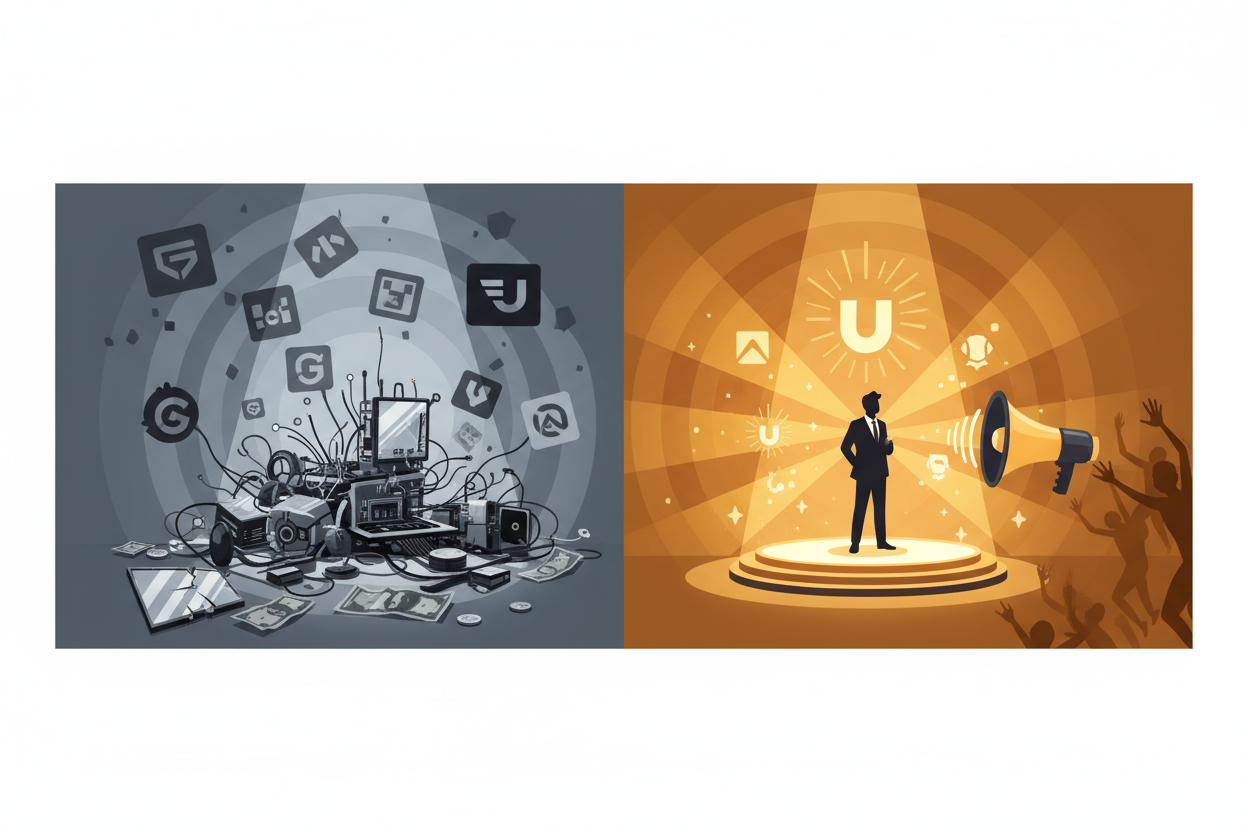
In this comprehensive guide, we’ll explore how startups can create a unique brand identity that not only stands out in crowded markets but also builds lasting connections with customers. Whether you’re pre-launch or looking to refine your existing brand, these insights will help you develop an identity that drives real business results.
Understanding Brand Identity vs. Brand Image
Before diving into the how-to, let’s clarify what we mean by brand identity. Many entrepreneurs confuse brand identity with brand image, but they’re distinctly different concepts that work together.
Brand identity is what you put out into the world. It’s the deliberate choices you make about your company’s personality, values, visual elements, and messaging. Think of it as your brand’s DNA – the core characteristics that remain consistent across all touchpoints.

Brand image, on the other hand, is how people actually perceive your brand. It’s the impression that forms in customers’ minds based on their interactions with your company. While you can’t directly control brand image, a strong brand identity significantly influences how people perceive you.
For startups, this distinction is crucial because you have the unique opportunity to shape both simultaneously. Unlike established companies that might need to rebrand or overcome negative perceptions, you’re starting with a clean slate. This gives you incredible power to craft exactly the identity you want and guide how people perceive your brand from day one.
The Foundation: Defining Your Brand Purpose and Values
Every memorable brand starts with a clear sense of purpose. This isn’t just what you do – it’s why you do it. Your brand purpose should answer the fundamental question: “Why does your startup exist beyond making money?”
Take Patagonia, for example. They don’t just sell outdoor clothing; they exist to save the planet through environmental activism. This purpose drives every decision they make, from their product materials to their marketing campaigns. For startups, having this kind of clarity creates a north star that guides all branding decisions.
Start by asking yourself these questions: What problem are you solving that keeps you up at night? What change do you want to see in the world? How do you want customers to feel after interacting with your brand? Your answers will form the emotional core of your brand identity.
Once you’ve identified your purpose, define your core values. These are the principles that guide how your team behaves and makes decisions. They should be specific enough to be actionable but broad enough to remain relevant as your startup grows. If one of your values is “transparency,” for instance, consider how that shows up in your customer communications, pricing structure, and company culture.
Crafting Your Brand Personality and Voice
Your brand personality is essentially your startup’s character – the human traits you’d assign to your company if it were a person. Are you the reliable friend, the innovative rebel, or the wise mentor? This personality should align with your target audience’s preferences and your industry context.
I’ve seen startups make the mistake of trying to be everything to everyone, resulting in a bland, forgettable personality. Instead, embrace what makes you different. If you’re a fintech startup, you don’t have to be serious and corporate just because that’s what banks do. Maybe your personality is approachable and educational, helping people feel confident about their financial decisions.
Your brand voice is how your personality comes through in communication. It encompasses your tone, language choices, and communication style. A brand with a friendly personality might use conversational language and humor, while a luxury brand might choose more sophisticated, aspirational language.
Develop voice guidelines that your team can follow across all communications. Include examples of what your brand would and wouldn’t say, preferred vocabulary, and tone variations for different situations. This ensures consistency whether someone is reading your website copy, social media posts, or customer service emails.
Visual Identity: More Than Just a Pretty Logo
While your brand identity goes far beyond visuals, the visual elements are often the first things people notice about your startup. Your visual identity includes your logo, color palette, typography, imagery style, and overall design aesthetic.
When designing your logo, resist the urge to cram everything about your business into one symbol. The best startup logos are simple, memorable, and work across different sizes and contexts. Think about how your logo will look on a business card versus a billboard, or as a small app icon versus a large website header.
Your color palette should reflect your brand personality and resonate with your target audience. Colors carry psychological associations – blue often conveys trust and reliability, while orange suggests energy and creativity. Choose a primary color that represents your brand essence, then select complementary colors for variety and hierarchy.
Typography is equally important but often overlooked. Your font choices should be legible across all platforms and align with your brand personality. A playful startup might choose rounded, friendly fonts, while a professional services company might opt for clean, modern typefaces.
Remember that consistency is key. Create brand guidelines that specify exactly how and when to use each visual element. This prevents your brand from looking disjointed as you create new materials and hire team members who need to understand your visual standards.
Researching Your Target Audience and Competitors
Creating a brand identity in a vacuum is like shooting arrows in the dark. You need deep insights into both your target audience and competitive landscape to make informed branding decisions.
Start with your audience research. Who are your ideal customers beyond basic demographics? What are their pain points, aspirations, and values? How do they currently solve the problem your startup addresses? Understanding these nuances helps you create a brand that truly resonates.
I recommend creating detailed customer personas that include not just demographics but psychographics – their attitudes, interests, and lifestyle choices. A 35-year-old marketing manager who values work-life balance will respond differently to your brand than a 35-year-old marketing manager who’s focused on career advancement.
Competitive analysis is equally crucial, but don’t just look at direct competitors. Examine any brand that’s competing for your audience’s attention or solving adjacent problems. What branding approaches are oversaturated in your space? Where do you see opportunities to differentiate?
Look for white space in the market – areas where customer needs aren’t being met by existing brands. Maybe all the players in your industry use similar visual styles or speak to customers in the same way. This presents an opportunity to stand out by taking a different approach.
Building Brand Consistency Across All Touchpoints
Your brand identity means nothing if it’s not consistently applied across every customer touchpoint. This includes obvious places like your website and marketing materials, but also less obvious ones like your email signatures, customer service interactions, and even your office space if you have one.
Create a comprehensive brand style guide that covers all aspects of your identity. Include your brand story, personality traits, voice guidelines, visual standards, and specific examples of how to apply these elements. This document becomes invaluable as your team grows and you need to maintain consistency across different people and departments.
Pay special attention to digital touchpoints, since that’s where most customers will first encounter your brand. Your website, social media profiles, email communications, and any apps or digital products should all feel cohesive. A customer should be able to recognize your brand immediately, regardless of where they encounter it online.
Don’t forget about the customer experience itself. Your brand identity should influence how you design user interfaces, structure customer service interactions, and even develop your product features. Every interaction is an opportunity to reinforce your brand identity and build stronger customer relationships.
Measuring and Evolving Your Brand Identity
Branding isn’t a one-and-done activity, especially for startups that are constantly learning and evolving. You need systems in place to measure how your brand identity is performing and make adjustments as needed.
Track both quantitative and qualitative metrics. Quantitative measures might include brand awareness surveys, website analytics, social media engagement rates, and customer acquisition costs. These numbers tell you whether your branding efforts are driving business results.
Qualitative feedback is equally valuable. Regularly collect customer feedback about their perceptions of your brand. What words do they use to describe your company? How do they feel after interacting with your brand? Are these perceptions aligned with your intended brand identity?
Be prepared to evolve your brand identity as your startup grows and learns more about its market. This doesn’t mean constantly changing everything – consistency is crucial for building recognition. But successful startups are willing to refine their branding based on real-world feedback and changing business needs.
The key is making thoughtful, strategic adjustments rather than reactive changes. If customer feedback suggests your brand personality isn’t resonating, dig deeper to understand why before making changes. Sometimes the issue isn’t your brand identity itself but how you’re communicating it.
Common Branding Mistakes Startups Should Avoid
Having worked with numerous startups, I’ve seen certain branding mistakes repeated again and again. Learning from these common pitfalls can save you time, money, and missed opportunities.
The first major mistake is trying to appeal to everyone. It’s tempting to cast a wide net when you’re looking for customers, but generic branding rarely resonates with anyone. It’s better to strongly appeal to a specific audience than to weakly appeal to everyone.
Another common error is copying successful brands without understanding why their approach works. Just because a minimalist logo worked for Apple doesn’t mean it’s right for your startup. Your branding should reflect your unique value proposition and target audience, not mimic someone else’s success.
Many startups also underestimate the importance of brand guidelines and consistency. Without clear standards, your brand identity will drift over time as different team members make individual decisions. This dilutes your brand’s impact and confuses customers.
Finally, don’t neglect the emotional aspects of branding in favor of purely functional messaging. Customers make decisions with both their hearts and minds. Your brand identity should connect with them emotionally while also communicating your practical benefits.
Conclusion: Your Brand Identity as a Growth Engine
Creating a unique brand identity isn’t just about looking professional or standing out from competitors – though it certainly helps with both. For startups, a strong brand identity serves as a growth engine that makes every other business activity more effective.
When you have a clear, compelling brand identity, marketing becomes easier because you know exactly who you’re talking to and how to speak their language. Sales conversations flow more naturally because prospects already understand what you stand for. Hiring becomes simpler because candidates can self-select based on whether they align with your values and culture.
Most importantly, a strong brand identity creates customer loyalty that goes beyond price and features. When customers connect with your brand on an emotional level, they become advocates who recommend you to others and stick with you through challenges.
Remember that building a brand identity is a marathon, not a sprint. Start with a solid foundation of purpose, values, and personality, then consistently apply these elements across all customer touchpoints. Stay open to feedback and evolution, but don’t chase every trend or change direction with every piece of feedback.
Your startup’s brand identity is one of its most valuable assets. Invest the time and effort to get it right, and you’ll have a powerful tool that drives growth, builds customer relationships, and sets the foundation for long-term success. The startups that take branding seriously from the beginning are the ones that create lasting impact in their industries.
No More BS – Get a FREE Consultation
No more BS. Let’s talk real world $#!+ about what you need. You’ll meet with our top dog, and you’ll leave with a better understanding of what you need to do, and how RyCOM might help.