

Sales Funnel Design: Strategies for Lead Nurturing That Actually Convert
Picture this: You’ve just captured a promising lead through your latest marketing campaign. They’ve downloaded your free guide, signed up for your newsletter, or maybe even attended your webinar. But then… crickets. They vanish into the digital void, never to be heard from again. Sound familiar? You’re not alone in this frustration.
The truth is, most businesses struggle with the gap between attracting leads and converting them into paying customers. This is where strategic sales funnel design and effective lead nurturing come into play. A well-crafted sales funnel doesn’t just capture leads—it guides them through a carefully orchestrated journey that builds trust, provides value, and ultimately transforms strangers into loyal customers.
In today’s competitive marketplace, having a random collection of marketing tactics isn’t enough. You need a systematic approach that understands your prospects’ mindset at each stage of their buying journey. Let’s dive deep into the art and science of creating sales funnels that don’t just attract leads, but nurture them into becoming your biggest advocates.

Understanding the Modern Sales Funnel Architecture
Gone are the days when a simple linear funnel could capture the complexity of today’s buyer journey. Modern consumers research extensively, compare options across multiple touchpoints, and often take non-linear paths to purchase. Your sales funnel design needs to reflect this reality.
Think of your sales funnel as a sophisticated ecosystem rather than a simple pipeline. At the top, you’re casting a wide net to attract potential customers who might not even know they have a problem you can solve. In the middle, you’re educating and building relationships with those who are actively exploring solutions. At the bottom, you’re providing the final push needed to convert qualified prospects into customers.
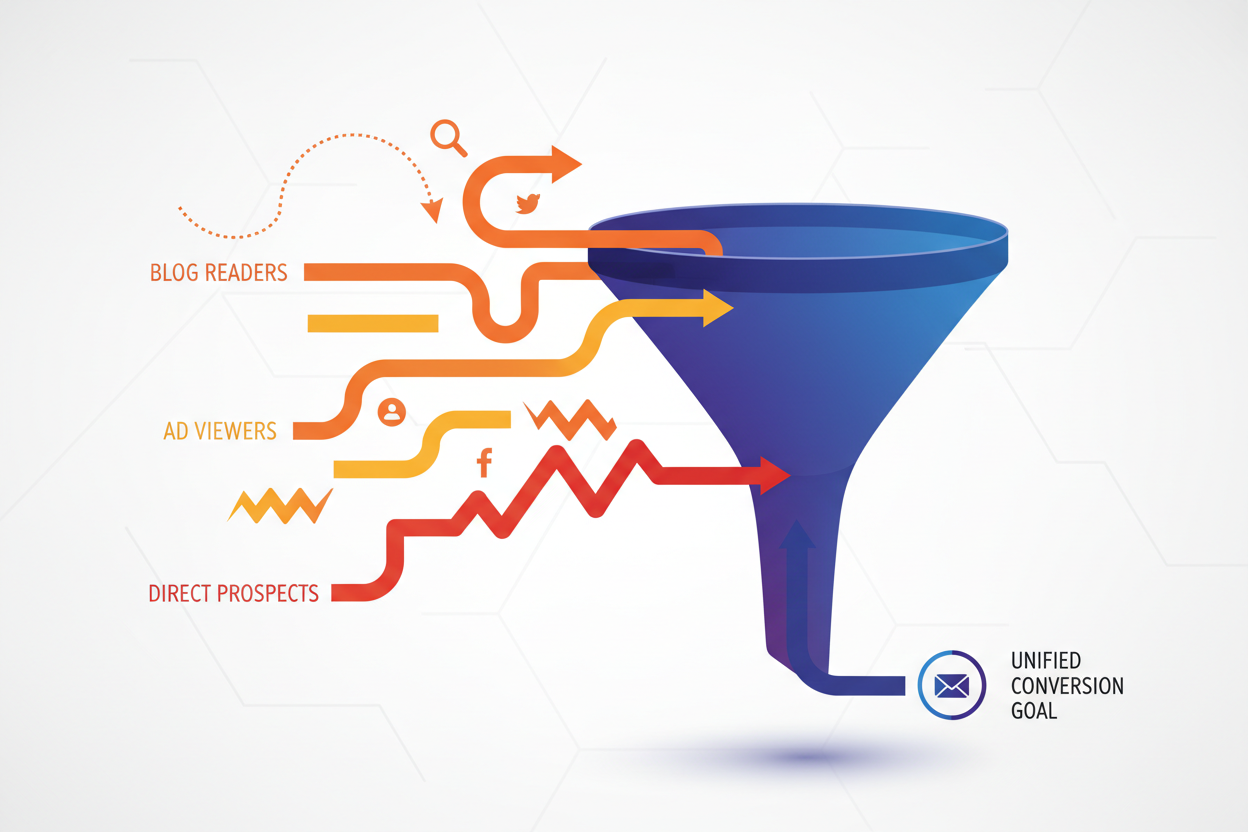
The most effective funnels today incorporate multiple entry points, allowing leads to enter at different stages based on their awareness level and needs. Some prospects might discover you through a blog post addressing their pain points, while others might find you through a targeted ad promoting a specific solution. Your funnel architecture should accommodate these different entry scenarios while guiding everyone toward the same ultimate goal.
Mapping Your Customer’s Emotional Journey
Before diving into tactics and tools, you need to understand something crucial: buying decisions are emotional, then justified with logic. Your lead nurturing strategy must address both the emotional and rational aspects of your prospects’ decision-making process.
Start by mapping out what your ideal customer is thinking and feeling at each stage. In the awareness stage, they might be frustrated with their current situation but unsure about available solutions. During consideration, they’re likely feeling overwhelmed by options and concerned about making the wrong choice. By the decision stage, they need confidence that you’re the right partner to solve their problem.
This emotional mapping becomes the foundation for your content strategy and messaging throughout the funnel. When you understand that a prospect in the consideration stage is primarily concerned about implementation complexity, you can create content that addresses those specific fears and provides reassurance through case studies, detailed explanations, and social proof.
Content Strategy for Each Funnel Stage
Your content is the fuel that powers your lead nurturing engine, but different types of content work better at different stages of the funnel. The key is matching your content format and messaging to your prospect’s mindset and information needs.
At the top of the funnel, focus on educational content that helps prospects understand their problems better. Blog posts, infographics, and short videos work well here because they’re easily consumable and shareable. Your goal isn’t to sell at this stage—it’s to establish authority and begin building trust.
Middle-of-funnel content should dive deeper into solutions and comparisons. This is where webinars, detailed guides, case studies, and comparison charts shine. Prospects at this stage are actively researching, so they want comprehensive information that helps them evaluate their options thoroughly.
Bottom-of-funnel content removes final barriers to purchase. Free trials, consultations, detailed demos, and customer testimonials work exceptionally well here. The focus shifts from education to demonstration—showing rather than telling how your solution will work for them.
Personalization and Segmentation Techniques
One-size-fits-all nurturing sequences are becoming increasingly ineffective. Today’s consumers expect personalized experiences that acknowledge their specific situation, industry, company size, and previous interactions with your brand.
Start with basic demographic and firmographic segmentation, but don’t stop there. Behavioral segmentation based on website activity, content consumption patterns, and email engagement provides much richer insights for personalization. Someone who spends significant time reading your pricing page is in a different mindset than someone who downloads multiple educational resources.
Dynamic content allows you to personalize without creating dozens of separate campaigns. Use merge tags not just for names, but for company information, industry-specific pain points, and relevant case studies. The goal is making each prospect feel like you understand their unique situation and have crafted your communication specifically for them.
Progressive profiling is another powerful technique for personalization. Instead of overwhelming prospects with long forms upfront, gradually collect additional information through subsequent interactions. Each new piece of data allows for more sophisticated segmentation and personalization.
Multi-Channel Lead Nurturing Approaches
Your prospects don’t live in a single channel, and neither should your nurturing efforts. An effective lead nurturing strategy orchestrates touchpoints across email, social media, content marketing, retargeting ads, and even direct outreach to create a cohesive experience.
Email remains the backbone of most nurturing sequences, but it shouldn’t operate in isolation. Coordinate your email campaigns with social media content, ensuring that your messaging is consistent across platforms while leveraging each channel’s unique strengths. LinkedIn might be perfect for sharing industry insights and building professional credibility, while retargeting ads can keep your brand visible as prospects research solutions.
The key to multi-channel success is maintaining message consistency while adapting to each platform’s format and audience expectations. A prospect should feel like they’re having a continuous conversation with your brand, regardless of which channel they engage with at any given moment.
Consider implementing cross-channel triggers based on behavior. If someone visits your pricing page but doesn’t convert, trigger not just a follow-up email sequence, but also add them to a retargeting campaign and alert your sales team for potential outreach. This coordinated approach significantly increases your chances of re-engaging prospects who showed high intent.
Automation Tools and Technology Stack
The right technology stack can transform your lead nurturing from a manual, time-consuming process into a sophisticated, automated system that scales with your business. However, the key word here is “right”—more tools don’t automatically equal better results.
Start with a robust marketing automation platform that can handle email sequences, lead scoring, and basic segmentation. Popular options like HubSpot, Marketo, or Pardot offer comprehensive features, but even simpler tools like Mailchimp or ConvertKit can be effective for smaller businesses when used strategically.
Customer Relationship Management (CRM) integration is crucial for effective lead nurturing. Your marketing automation and sales teams need a unified view of each prospect’s journey, interactions, and current status. This integration enables seamless handoffs from marketing to sales and ensures no leads fall through the cracks.
Don’t overlook the power of analytics and tracking tools. Google Analytics, heat mapping software, and conversion tracking help you understand how prospects move through your funnel and where they encounter friction. This data becomes invaluable for optimizing your nurturing sequences and improving conversion rates over time.
Measuring and Optimizing Funnel Performance
Creating your initial sales funnel is just the beginning—continuous optimization is where the real magic happens. The most successful businesses treat their funnels as living systems that evolve based on data, feedback, and changing market conditions.
Start by establishing clear metrics for each stage of your funnel. Conversion rates between stages are obvious starting points, but don’t ignore engagement metrics like email open rates, content consumption time, and social media interactions. These leading indicators often predict conversion performance and can help you identify issues before they impact your bottom line.
A/B testing should become second nature in your optimization process. Test everything from subject lines and email send times to landing page layouts and call-to-action buttons. However, be strategic about your testing—focus on elements that could significantly impact conversion rates rather than minor design details.
Regular funnel audits help identify bottlenecks and opportunities for improvement. Look for stages where prospects consistently drop off, content that generates high engagement but low conversion, and segments that perform significantly better or worse than average. These insights guide your optimization priorities and resource allocation.
Advanced Lead Scoring and Qualification
Not all leads are created equal, and your nurturing strategy should reflect this reality. Advanced lead scoring helps you identify which prospects are most likely to convert and deserve priority attention from your sales team.
Effective lead scoring combines explicit information (what prospects tell you through forms and surveys) with implicit behavioral data (how they interact with your content and website). A prospect who downloads multiple resources, visits your pricing page repeatedly, and opens every email is demonstrating much higher intent than someone who downloaded one guide and hasn’t engaged since.
Consider implementing negative scoring for behaviors that indicate lower purchase intent or poor fit. Prospects who consistently unsubscribe from emails, work at companies outside your target market, or consume only general educational content might need different nurturing approaches or longer timelines.
Dynamic lead scoring adjusts scores based on time and engagement patterns. A prospect who was highly engaged six months ago but hasn’t interacted recently should see their score decay, while recent high-value activities should carry more weight than older interactions.
Common Pitfalls and How to Avoid Them
Even well-intentioned businesses often make critical mistakes that undermine their lead nurturing efforts. Learning to recognize and avoid these pitfalls can save you significant time, money, and missed opportunities.
The biggest mistake is rushing prospects through the funnel too quickly. In an eagerness to generate revenue, many businesses push for sales conversations before prospects are ready. This approach often backfires, creating resistance and damaging the relationship you’ve worked to build. Respect your prospects’ timeline and focus on providing value at each stage.
Another common error is neglecting the post-purchase experience. Your funnel shouldn’t end at the sale—it should extend into onboarding, success, and advocacy. Customers who have positive post-purchase experiences become your best source of referrals and testimonials for future lead nurturing efforts.
Over-automation can also be problematic. While automation is powerful, it shouldn’t replace human touch entirely. High-value prospects, enterprise deals, and complex sales often require personal attention and customized approaches that automation alone cannot provide.
Building Long-Term Customer Relationships
The most successful sales funnels don’t just convert leads—they build lasting relationships that generate repeat business and referrals. This long-term perspective should influence every aspect of your funnel design and nurturing strategy.
Focus on delivering genuine value throughout the entire customer journey, not just during the initial sales process. Continue nurturing customers after purchase through educational content, product updates, and exclusive insights. This ongoing relationship-building transforms one-time buyers into loyal advocates who actively promote your business.
Consider implementing customer success programs that help clients achieve their goals using your products or services. When customers succeed, they’re more likely to expand their relationship with you, provide testimonials, and refer new prospects. These satisfied customers become powerful assets in nurturing future leads through social proof and word-of-mouth marketing.
Creating a sales funnel that effectively nurtures leads requires strategic thinking, careful execution, and continuous optimization. It’s not about implementing the latest marketing technology or copying what works for other businesses—it’s about understanding your unique audience and creating experiences that guide them naturally toward becoming customers.
The businesses that excel at lead nurturing treat it as both an art and a science. They combine data-driven insights with genuine empathy for their prospects’ challenges and goals. They understand that effective nurturing is about building relationships, not just pushing products.
As you implement these strategies, remember that success rarely happens overnight. Give your funnel time to generate data, test different approaches, and refine your messaging based on real prospect feedback. The investment you make in creating a sophisticated lead nurturing system will pay dividends for years to come, generating not just immediate sales but lasting customer relationships that fuel sustainable business growth.
Start with the basics—understand your audience, map their journey, and create valuable content for each stage. Then gradually layer in more sophisticated techniques like advanced segmentation, multi-channel coordination, and predictive lead scoring. Your future self will thank you for building a foundation that turns strangers into customers and customers into advocates.
No More BS – Get a FREE Consultation
No more BS. Let’s talk real world $#!+ about what you need. You’ll meet with our top dog, and you’ll leave with a better understanding of what you need to do, and how RyCOM might help.