

Business Logo and Website: Creating a Consistent Look That Builds Trust and Recognition
When customers first encounter your business online, they form an opinion within seconds. That split-second judgment often determines whether they’ll stay to explore your offerings or click away to a competitor. This is why creating a consistent visual identity between your business logo and website isn’t just about aesthetics—it’s about building trust, recognition, and ultimately, success.
Your logo and website work together as the face of your brand. When they speak the same visual language, they create a seamless experience that tells your customers they can trust your attention to detail and professionalism. Let’s explore how you can achieve this powerful consistency that sets successful businesses apart from the crowd.
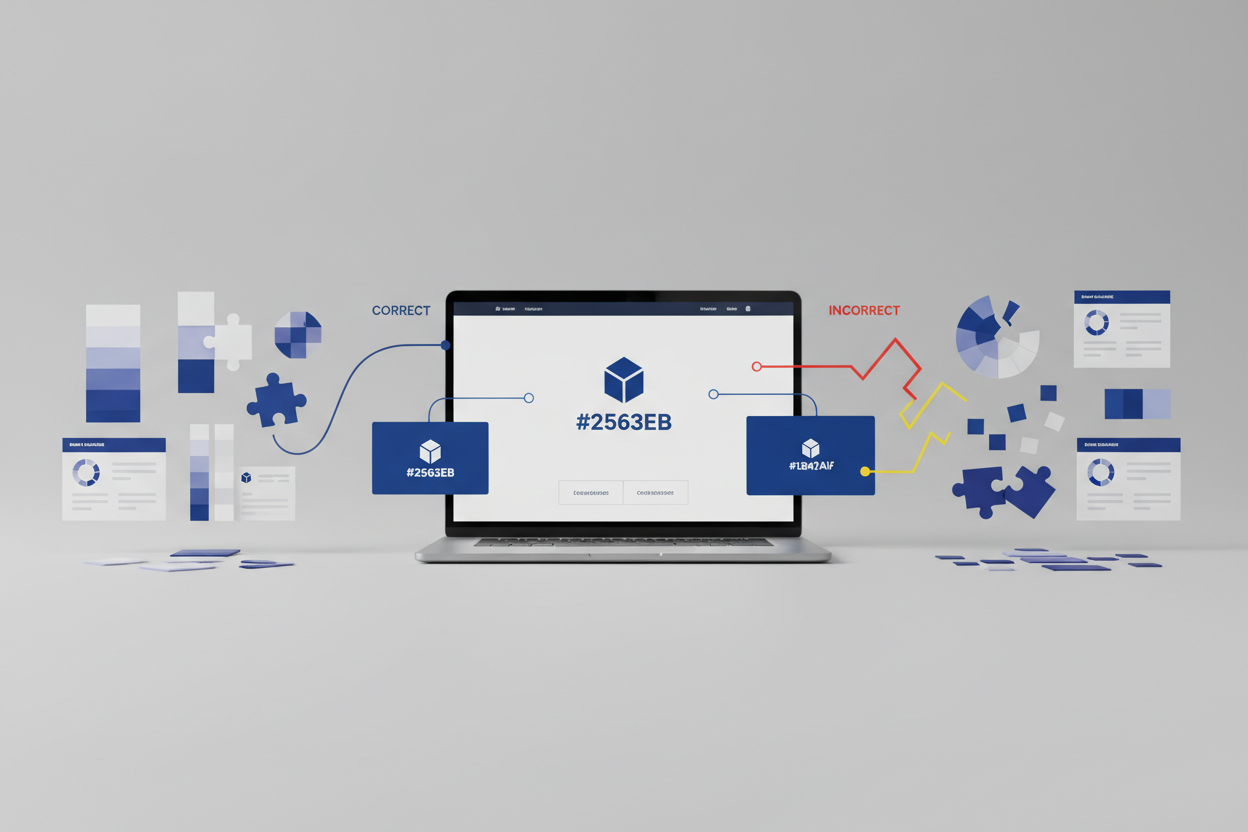
Why Consistent Branding Between Logo and Website Matters
Think about the last time you visited a website that felt disjointed—perhaps the logo was modern and sleek, but the website looked like it was designed in 2005. That disconnect probably made you question the business’s credibility, didn’t it? This reaction is exactly why consistency matters so much in today’s competitive marketplace.
Consistent branding creates what psychologists call the “mere exposure effect.” The more familiar something appears, the more trustworthy it feels. When your logo and website share the same visual DNA, customers subconsciously feel more comfortable engaging with your business. They’re not distracted by conflicting design elements, allowing them to focus on what really matters—your products or services.
From a practical standpoint, consistent branding also makes your business more memorable. In a world where consumers are bombarded with thousands of brand messages daily, the businesses that maintain visual consistency across all touchpoints are the ones that stick in people’s minds. Your logo becomes a shorthand for everything your website represents, creating instant recognition that can drive repeat business and referrals.
Understanding Your Brand Identity Foundation
Before you can create consistency between your logo and website, you need to understand what your brand truly represents. This goes deeper than just picking colors you like or fonts that look trendy. Your brand identity should reflect your business’s personality, values, and the emotions you want to evoke in your customers.
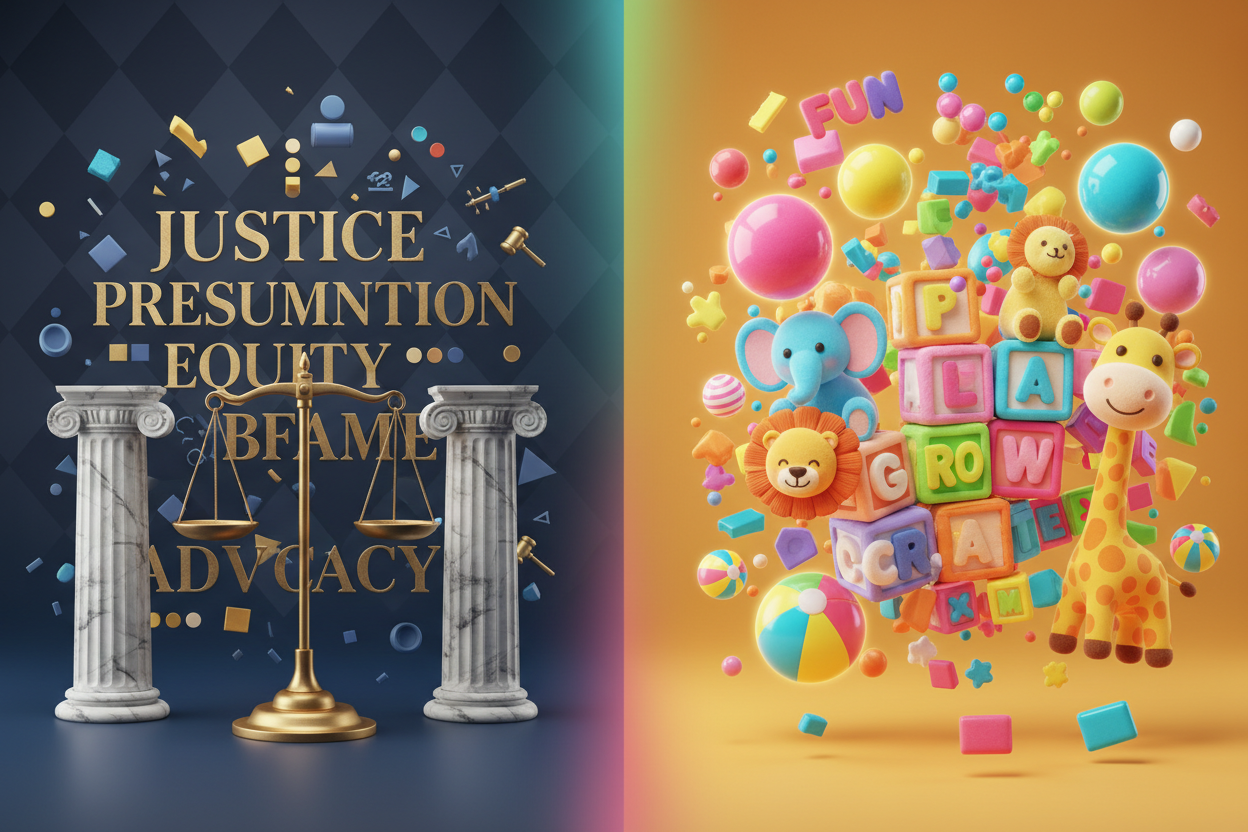
Start by asking yourself some fundamental questions: Is your business playful or serious? Modern or traditional? Luxurious or accessible? The answers to these questions should guide every design decision you make. A law firm might choose deep blues and serif fonts to convey trust and tradition, while a children’s toy company might opt for bright colors and rounded fonts to communicate fun and safety.
Your target audience also plays a crucial role in shaping your brand identity. A business targeting millennials might embrace bold, Instagram-worthy designs, while one serving corporate executives might prefer clean, minimalist aesthetics. Understanding your audience’s preferences and expectations helps ensure your consistent branding resonates with the people you’re trying to reach.
Color Psychology and Brand Recognition
Color is perhaps the most powerful tool in your branding arsenal. Research shows that people make subconscious judgments about products within 90 seconds of initial viewing, and up to 90% of that assessment is based on color alone. This makes color consistency between your logo and website absolutely critical.
When choosing your brand colors, consider the psychological associations different hues carry. Red can evoke excitement and urgency, making it popular with food brands and retailers. Blue often conveys trust and stability, which is why it’s favored by financial institutions and healthcare companies. Green suggests growth and harmony, appealing to eco-friendly brands and wellness businesses.
However, don’t feel confined by these general associations. The key is choosing colors that align with your specific brand personality and then using them consistently across your logo and website. This includes not just your primary brand colors, but also secondary colors, accent colors, and even the specific shades you use. A slightly different blue on your website than in your logo can create subtle discord that undermines your professional image.
Typography That Speaks Your Brand Language
Typography is often called the voice of your visual design, and for good reason. The fonts you choose communicate personality just as clearly as the words themselves. A handwritten script font tells a very different story than a bold, geometric sans-serif, and your choice should align with your overall brand identity.
When creating consistency between your logo and website, pay attention to the font families you’re using. If your logo features a custom or distinctive typeface, consider how you can echo that style in your website’s typography. This doesn’t mean using the exact same font everywhere—that could actually hurt readability—but rather choosing complementary fonts that share similar characteristics.
For example, if your logo uses a modern sans-serif font, your website’s body text might use a highly readable sans-serif font from the same family or one with similar proportions and weight. The goal is to create a harmonious relationship between all text elements that reinforces your brand identity while maintaining excellent user experience.
Visual Elements and Design Patterns
Beyond color and typography, consistent branding extends to the visual elements and design patterns you use throughout your logo and website. These might include the style of icons you choose, the way you handle photography, the types of graphics you incorporate, and even the spacing and layout principles you follow.
If your logo features clean, minimalist lines, your website should embrace similar simplicity in its design elements. Conversely, if your logo is ornate and detailed, your website can incorporate more decorative elements without feeling inconsistent. The key is ensuring that someone could look at your logo and website side by side and immediately understand they belong to the same brand.
Consider creating a style guide that documents these design decisions. This becomes invaluable as your business grows and you need to maintain consistency across new marketing materials, social media graphics, or additional web pages. A well-documented style guide ensures that anyone working on your brand—whether it’s you, your team, or external contractors—can maintain the consistent look you’ve worked hard to establish.
Practical Implementation Strategies
Creating consistency between your logo and website doesn’t have to be overwhelming. Start with the most visible elements and work your way through the details. Begin by ensuring your logo appears prominently on your website, typically in the header where visitors expect to find it. This immediately establishes the connection between your brand mark and your online presence.
Next, implement your brand colors throughout your website design. This includes obvious elements like headers and buttons, but don’t forget subtler applications like link colors, form field borders, and accent elements. The goal is to create a cohesive color story that reinforces your brand identity without overwhelming the user experience.
Pay special attention to your website’s navigation and user interface elements. These should feel like natural extensions of your logo’s design language. If your logo is playful and rounded, consider incorporating those same curved elements into your buttons and navigation menu. If it’s sharp and angular, let that geometric precision influence your website’s layout and interface design.
Avoiding Common Consistency Mistakes
Even with the best intentions, it’s easy to make mistakes that undermine your brand consistency. One of the most common errors is using low-quality or improperly formatted logo files on your website. Always use vector-based logo files when possible, and ensure you have versions optimized for different backgrounds and sizes.
Another frequent mistake is ignoring mobile consistency. Your logo and branding elements should look just as cohesive on a smartphone as they do on a desktop computer. This might mean creating simplified versions of complex logos or adjusting color schemes to ensure readability on smaller screens.
Be wary of making incremental changes to your branding without considering the overall impact. It’s tempting to tweak colors or fonts as trends change, but these small modifications can gradually erode the consistency you’ve built. When changes are necessary, approach them systematically, updating both your logo and website simultaneously to maintain harmony.
Measuring the Impact of Consistent Branding
The benefits of consistent branding between your logo and website extend far beyond aesthetics. Businesses with consistent brand presentation across all platforms can increase revenue by up to 23%, according to research by Lucidpress. This improvement comes from increased brand recognition, customer trust, and the professional credibility that consistent branding provides.
You can measure the impact of your consistent branding through various metrics. Track your website’s bounce rate—visitors who leave immediately after arriving. A decrease in bounce rate after implementing consistent branding often indicates that visitors feel more confident about your business. Similarly, monitor time spent on site and pages per session, as consistent branding typically encourages deeper engagement.
Don’t forget to gather qualitative feedback as well. Customer surveys and user testing can reveal whether your consistent branding is effectively communicating your intended message. Sometimes the data tells a different story than what you might expect, providing valuable insights for refinement.
Building Long-Term Brand Recognition
Creating a consistent look between your business logo and website is just the beginning of building strong brand recognition. As your business grows, this consistency should extend to all your marketing materials, social media presence, packaging, and any other customer touchpoints. Each consistent interaction reinforces your brand identity and builds the trust that leads to customer loyalty.
Remember that consistency doesn’t mean stagnation. Successful brands evolve while maintaining their core visual identity. Apple’s logo has changed significantly over the decades, but each evolution maintained elements that kept it recognizably Apple. Your brand can grow and adapt while preserving the consistent relationship between your logo and website that makes your business memorable and trustworthy.
The investment you make in creating and maintaining consistent branding pays dividends over time. As customers become familiar with your visual identity, they’ll begin to recognize your business instantly, even in crowded marketplaces. This recognition becomes a competitive advantage that’s difficult for competitors to replicate, making consistent branding one of the most valuable investments you can make in your business’s future success.
No More BS – Get a FREE Consultation
No more BS. Let’s talk real world $#!+ about what you need. You’ll meet with our top dog, and you’ll leave with a better understanding of what you need to do, and how RyCOM might help.