

Google Ads Management: Advanced Targeting Techniques That Actually Work
If you’ve been running Google Ads for a while, you’ve probably experienced that familiar frustration of burning through budget without seeing the results you expected. Trust me, I’ve been there. After managing countless campaigns over the years, I’ve learned that the difference between mediocre and exceptional Google Ads performance often comes down to one thing: how precisely you target your audience.
While basic demographic targeting might have worked in the early days of digital advertising, today’s competitive landscape demands a more sophisticated approach. Advanced targeting techniques can transform your campaigns from money pits into profit-generating machines. Let’s dive into the strategies that separate the pros from the amateurs in Google Ads management.
Understanding the Foundation of Advanced Google Ads Targeting
Before we jump into the advanced stuff, it’s crucial to understand that effective targeting isn’t just about reaching more people—it’s about reaching the right people at the right moment with the right message. This trifecta forms the foundation of every successful campaign I’ve managed.
Advanced targeting techniques work by layering multiple targeting methods together, creating what I like to call “targeting intersections.” These intersections help you identify highly specific audience segments that are more likely to convert, ultimately improving your return on ad spend (ROAS) while reducing wasted budget.
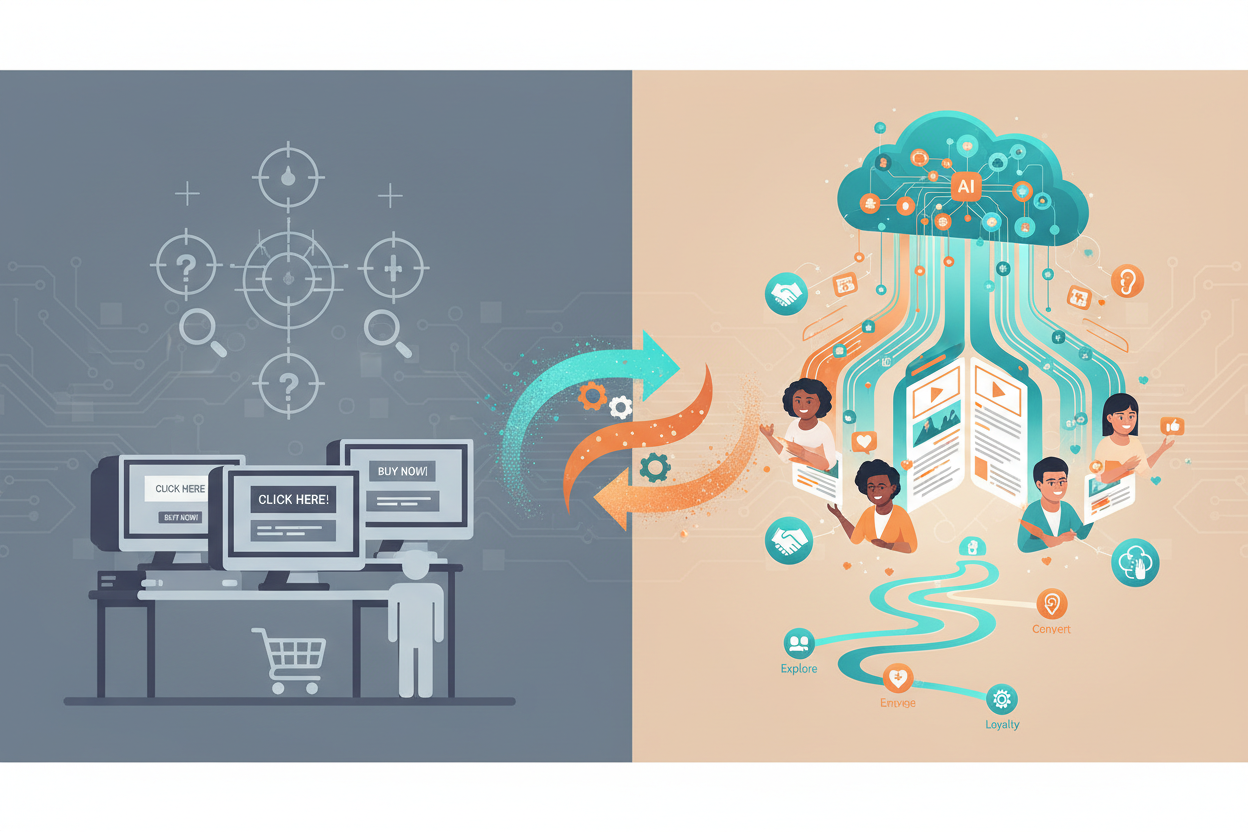
The beauty of modern Google Ads targeting lies in its granularity. You can now target users based on their search behavior, website interactions, life events, and even their likelihood to purchase specific products. This level of precision was unimaginable just a few years ago.
Audience Layering: The Secret to Precision Targeting
One of the most powerful techniques I’ve discovered is audience layering, which involves combining multiple audience types to create highly specific targeting parameters. Instead of relying on a single audience segment, you stack different targeting criteria to narrow down your reach to the most qualified prospects.
For example, you might combine custom intent audiences (people searching for specific keywords) with demographic targeting (age and income level) and add a layer of remarketing (previous website visitors). This creates a super-targeted audience that’s exponentially more likely to convert than any single targeting method alone.
The key to successful audience layering is finding the sweet spot between precision and reach. Go too narrow, and you’ll limit your campaign’s potential. Too broad, and you’ll waste budget on unqualified clicks. I typically start with broader layers and gradually add more specific criteria based on performance data.
Custom Intent Audiences: Capturing High-Intent Prospects
Custom intent audiences represent one of Google’s most underutilized targeting features, yet they’re incredibly powerful for reaching users who are actively researching products or services like yours. These audiences are built based on the keywords and URLs that users have recently searched for or visited.
When creating custom intent audiences, I focus on building keyword lists that represent different stages of the buyer’s journey. For a software company, this might include research-phase keywords like “best project management tools comparison” and purchase-intent keywords like “buy project management software online.”
The magic happens when you combine these keyword-based audiences with URL targeting. By including competitor websites, industry publications, and review sites in your custom intent audience, you can reach users who are actively comparing solutions. This approach has consistently delivered some of my highest-converting traffic.
Life Events Targeting: Timing Your Message Perfectly
Life events targeting is perhaps the most emotionally intelligent targeting method available in Google Ads. This feature allows you to reach users during significant life transitions when their purchasing behavior naturally shifts. Whether someone is getting married, buying a home, or starting a new job, these moments create unique marketing opportunities.
I’ve seen remarkable success using life events targeting for industries like insurance, financial services, and home improvement. The key is understanding which life events align with your product or service and crafting messages that speak to the specific needs and emotions associated with those transitions.
For instance, targeting “recent movers” for a home security company or “new parents” for a life insurance provider creates natural alignment between the user’s current situation and your offering. The timing is everything, and life events targeting helps you catch people when they’re most receptive to your message.
Similar Audiences and Lookalike Targeting Strategies
Similar audiences, also known as lookalike audiences, leverage Google’s machine learning capabilities to find new prospects who share characteristics with your best customers. This targeting method has become increasingly sophisticated, using hundreds of signals to identify potential customers who exhibit similar online behaviors to your converters.
To maximize the effectiveness of similar audiences, I always start with high-quality seed audiences. The better your source audience, the better your similar audience will perform. I typically use converter audiences from the past 30-90 days, ensuring the data is recent and relevant to current market conditions.
One advanced technique I’ve developed involves creating multiple similar audiences based on different converter segments. For example, you might create separate similar audiences for high-value customers, frequent purchasers, and first-time buyers. This segmentation allows you to tailor your messaging and bidding strategies to each audience type.
Geographic and Demographic Micro-Targeting
While geographic and demographic targeting might seem basic, advanced practitioners know how to use these tools with surgical precision. Micro-targeting involves drilling down to specific neighborhoods, zip codes, or even radius targeting around competitor locations.
I’ve found tremendous success using demographic targeting beyond the obvious age and gender filters. Household income targeting, for instance, can dramatically improve campaign performance for luxury goods or budget-conscious services. Parental status targeting works wonders for family-oriented products, while education level targeting can be incredibly effective for professional services.
The trick is combining these demographic filters with behavioral data. A 35-year-old parent with a household income above $75,000 who has recently searched for “private school options” represents a much more qualified prospect for educational services than someone who only meets the demographic criteria.
Device and Platform-Specific Targeting Optimization
Device targeting has evolved far beyond simply choosing between desktop and mobile. Today’s advanced targeting includes specific device models, operating systems, and even connection speeds. This granular control allows you to optimize your campaigns for the exact user experience your prospects will have.
Mobile-first targeting has become particularly important as mobile searches continue to dominate. However, the key insight is that different devices often indicate different user intents. Desktop users might be in research mode, while mobile users are often ready to take immediate action. Your targeting and messaging should reflect these behavioral differences.
I’ve also found success with time-of-day and day-of-week targeting combined with device preferences. For example, targeting mobile users during evening hours for food delivery services or focusing on desktop users during business hours for B2B software solutions can significantly improve conversion rates.
Advanced Remarketing Techniques That Convert
Remarketing has evolved from simple “spray and pray” tactics to sophisticated, behavior-based targeting strategies. Advanced remarketing involves creating highly specific audience segments based on user actions, engagement levels, and purchase history.
One technique I particularly love is sequential remarketing, where you show different ads based on how users previously interacted with your website. Someone who viewed your pricing page gets a different message than someone who only visited your blog. This creates a more personalized experience that feels less like advertising and more like helpful guidance.
Dynamic remarketing takes this personalization even further by showing users the exact products they viewed or similar items. When combined with audience exclusions (like recent purchasers), dynamic remarketing can achieve conversion rates that seem almost too good to be true.
Measuring and Optimizing Your Advanced Targeting Efforts
The most sophisticated targeting strategies are worthless without proper measurement and optimization. I always set up conversion tracking that goes beyond simple click-through attribution, incorporating view-through conversions and assisted conversions to get a complete picture of targeting performance.
Advanced targeting requires advanced reporting. I create custom dashboards that show performance metrics for each targeting layer, allowing me to identify which combinations are driving the best results. This data-driven approach helps me double down on what’s working while eliminating what isn’t.
The optimization process is ongoing. Markets change, user behavior evolves, and what worked last month might not work today. I recommend reviewing targeting performance weekly and making incremental adjustments rather than dramatic changes that make it difficult to isolate what’s driving results.
Conclusion
Advanced Google Ads targeting techniques represent the difference between good and great campaign performance. While these strategies require more time and expertise to implement effectively, the results speak for themselves. I’ve seen campaigns transform from break-even efforts to profit centers simply by implementing more sophisticated targeting approaches.
The key to success lies in understanding that advanced targeting isn’t about using every available option—it’s about strategically combining the right targeting methods for your specific business goals and audience. Start with one or two advanced techniques, master them, and then gradually layer in additional complexity as you gain confidence and see results.
Remember, the digital advertising landscape continues to evolve rapidly. What’s considered advanced today might be standard practice tomorrow. Stay curious, keep testing, and always prioritize your audience’s experience over your own convenience. When you truly understand your customers and meet them where they are with relevant, timely messages, advanced targeting becomes less about manipulation and more about genuine service.
No More BS – Get a FREE Consultation
No more BS. Let’s talk real world $#!+ about what you need. You’ll meet with our top dog, and you’ll leave with a better understanding of what you need to do, and how RyCOM might help.